


Rishav’s Three-Month Journey: From Bored to Portfolio-Ready
Rishav sat in his room in Indore, staring at his phone. Board exams were over, college admission results wouldn’t come for two months, and he felt stuck. His friends were either celebrating or panicking about entrance exams. But Rishav decided to do something different. He picked up an old laptop, downloaded free tools, and started building student side projects before college. Three months later, when his college application came through, he had five projects to show. His admission interviewer asked about every single one.
You’re probably in a similar spot right now. Whether you’re waiting for college results, finished with school, or just have free time before the semester starts, this is your golden window. The gap between school and college isn’t empty time. It’s your chance to build real skills, create a portfolio, and stand out from thousands of other students applying to the same colleges.
Why Your Student Side Projects Matter Right Now
Colleges don’t just look at marks anymore. They want to see what you’ve actually built. With concrete student side projects to show, you’re not just another applicant. You’re someone who took initiative, learned independently, and created something real.
Admissions officers in India are increasingly impressed by students who can demonstrate hands-on learning. Whether it’s a coding project, a digital product, or a research initiative, having something tangible on your resume changes the conversation. You won’t be answering “What do you do in your free time?” You’ll be explaining the problem you solved and why it matters.
The best part? You don’t need expensive resources or fancy equipment. You don’t even need to live in a metro city. You just need a decent computer, internet connection, and focus.
Five Realistic Projects You Can Actually Finish
1. Build a Simple Web Application
Create a small web app that solves a real problem. It could be a study timer, a local event finder, or a family budget tracker. You can learn coding without classes using free resources like freeCodeCamp or Codecademy. The project doesn’t need to be complicated. A working prototype that actually helps someone is enough.
2. Create Digital Products You Can Sell
Design digital templates, study guides, or educational content that other students would pay for. You can sell these on platforms like Gumroad or Etsy. This teaches you about market research, design, and entrepreneurship all at once. Check out ideas for digital products you can build from home to get started.
3. Write and Publish Research or Analysis
Pick a topic you’re genuinely curious about. It could be local education problems, climate change impacts in your city, or even an analysis of social media trends. Write a detailed article or research paper and publish it on Medium or your own blog. This shows colleges you can think critically and communicate clearly.
4. Contribute to Open Source Projects
Open source projects need help from people of all skill levels. Find a project on GitHub that interests you and start contributing. Even small contributions like fixing documentation or reporting bugs count. This shows you can work in real development environments and collaborate with others.
5. Create Educational Content for Your Community
Make YouTube videos, write blog posts, or create social media content teaching something you know well. It could be about exam preparation, coding basics, or career guidance for students in Tier 2-3 cities. This positions you as someone who can lead and inspire others.
What Equipment Do You Actually Need?
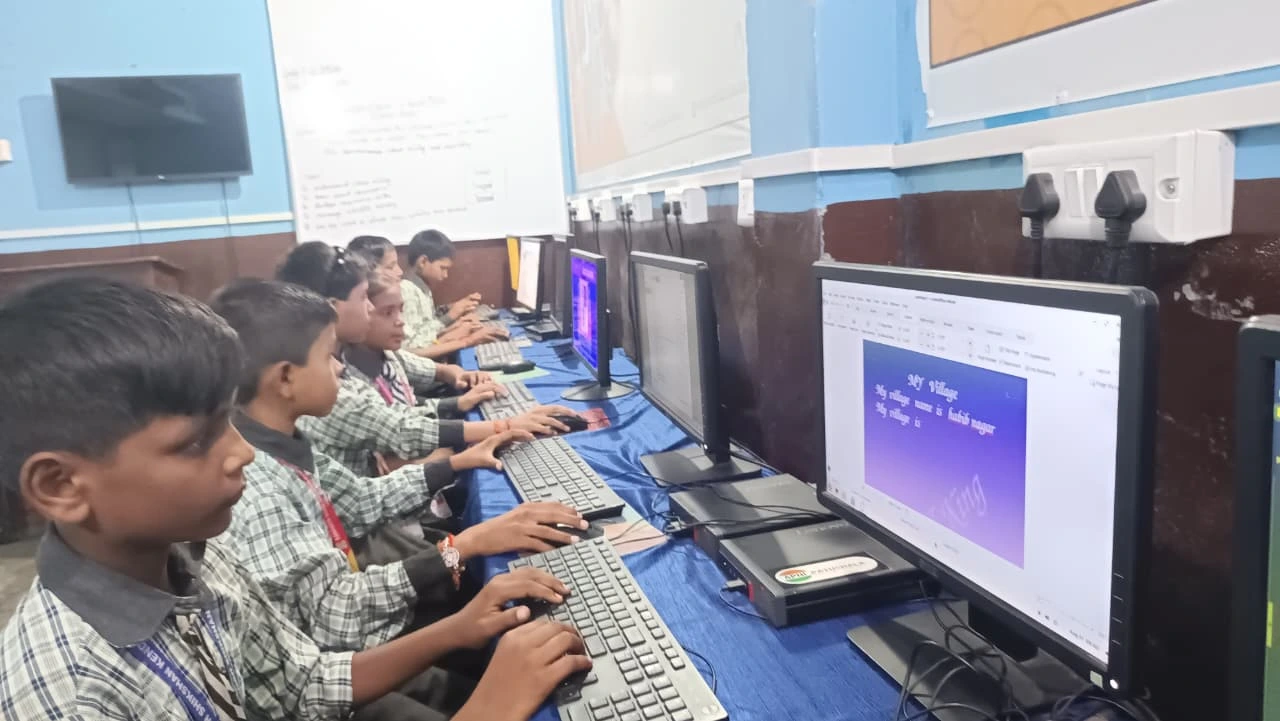
You don’t need a fancy laptop or expensive software. A basic computer with decent specifications is enough. The Apna PC is specifically designed for students like you, with 8GB RAM and a 128GB SSD, pre-loaded with everything you need, including Scratch for coding. It costs just Rs. 30,000 (shipping and GST excluded) and comes with Zorin OS, LibreOffice, and learning tools.
More than hardware, you need a distraction-free setup and reliable internet. Set up your workspace, turn off notifications, and block off focused time to work on your projects.
How to Actually Get Started Today
Don’t wait for the “perfect” moment. Start this week. Pick one project from the list above that genuinely excites you. Not something that sounds impressive, but something you actually want to build.
Break it into smaller milestones. Instead of “build a web app,” your first milestone is “complete the HTML tutorial.” Your second is “build the login page.” This makes the project feel less overwhelming and gives you regular wins.
Use free learning platforms like DIKSHA, a digital learning platform, and resources from the Digital India initiative to find quality educational content. These platforms have courses and resources specifically for Indian students.
Document your journey. Take screenshots, write about what you learned, and keep a record of your progress. This becomes your story when you talk to colleges or future employers.
Your College Application Will Thank You
When you sit in that admission interview, you won’t just have marks to talk about. You’ll have projects that show how you think, what you value, and what you can actually do. You’ll be able to explain the problems you solved, the skills you learned, and why you care about your field.
This is your time. The gap between school and college isn’t wasted time. It’s your launchpad. The student side projects you build now will set you apart from thousands of other applicants and give you real-world skills that matter. Visit apnapc.com to learn more.