


When Rajesh’s Daughter Found Her Path Through a Screen
Rajesh Kumar sits in his small grocery shop in Indore, watching the afternoon sun paint the walls golden. His daughter Priya, fourteen, struggles with mathematics. Her school teacher moves fast, and Priya feels lost by the third problem. Last year, Rajesh couldn’t afford tuition classes. This year, something changed. Digital education through a simple computer at home gave Priya something her school couldn’t: time to learn at her own pace, resources that don’t judge, and confidence that builds quietly over weeks.
Your child’s education doesn’t stop when the school bell rings. Digital education has become the bridge between classroom learning and real understanding, especially in smaller Indian cities where quality tutoring remains expensive or unavailable. When you invest in the right tools, your student gains access to learning that adapts to them, not the other way around.
What Digital Education Really Means for Your Family
Digital education isn’t just watching YouTube videos. It’s structured learning that combines video lessons, interactive practice, progress tracking, and personalised support. Your child learns when they’re ready, not when the textbook says they should. They can pause, rewind, and practice the same concept ten times without feeling embarrassed.
The impact is real. Students who use digital learning tools show measurable improvement in subjects they find difficult. They develop problem-solving skills faster. They become independent learners who don’t need someone standing over them to focus. Research on education in India shows that access to supplementary learning resources significantly improves student outcomes, particularly in STEM subjects.
Your student also learns technology skills naturally. In 2024, computer literacy isn’t optional anymore. When your child learns mathematics through digital tools, they’re simultaneously learning to navigate software, type faster, and solve problems using technology. These aren’t extras. They’re essential skills for any career your child might choose.
The Real Problem: Access and Affordability
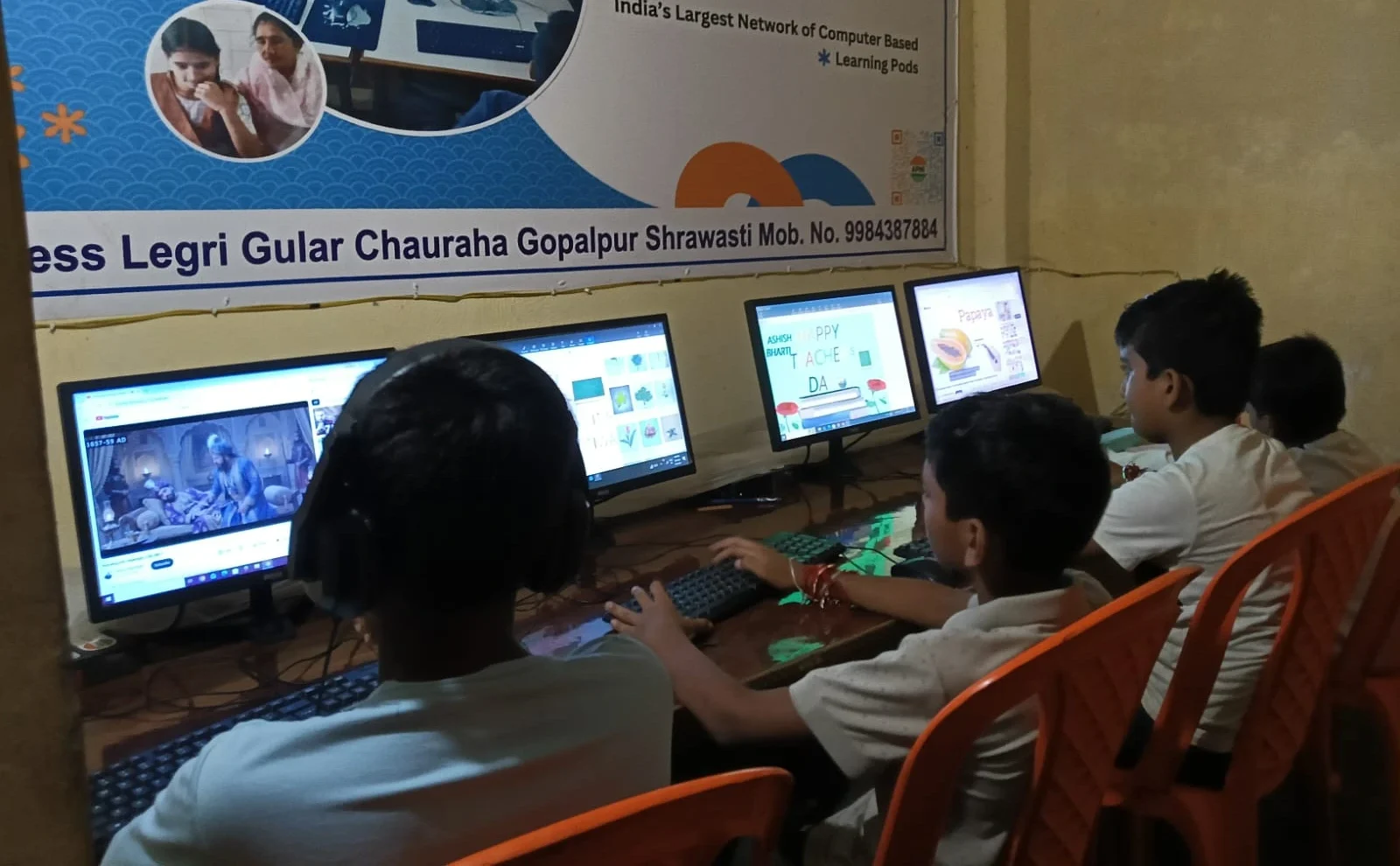
Here’s the truth most parents in Tier 2 and Tier 3 cities face. Quality computers cost between 50,000 and 1,00,000 rupees. Most families can’t justify that expense when immediate needs come first. Smartphones exist in almost every household, but a smartphone isn’t designed for learning. The screen is too small. Typing assignments is painful. Installing educational software is complicated.
This is where the digital education gap widens. Students in metros access computers easily. Their siblings in smaller cities don’t. The Digital India initiative has pushed technology forward, but the last mile remains expensive for families earning 30,000 to 50,000 rupees monthly.
Apna PC changes this equation. Priced at just Rs. 30,000 (before shipping and GST), it’s designed specifically for Indian students. It’s not a gaming machine. It’s not a status symbol. It’s a focused learning tool that does exactly what your child needs and nothing more.
How Apna PC Supports Your Child’s Learning
Apna PC comes pre-loaded with everything your child needs. Zorin OS provides a clean, intuitive interface that even younger students navigate easily. LibreOffice lets them create documents, presentations, and spreadsheets for school projects. Scratch teaches coding concepts through visual programming, building logical thinking from age ten onwards.
The real power lies in Apni Prerna, the student monitoring system built into the computer. You don’t need to spy on your child. Instead, you see what subjects they’re studying, how long they’re focusing, and where they’re struggling. You get weekly reports. You understand your child’s learning patterns. You can have informed conversations about their progress, not just guesses.
With 8GB RAM and 128GB SSD, the computer handles multiple applications smoothly. Your child can keep five browser tabs open, a document, and a video playing at the same time without lag. Learning doesn’t stall. Focus doesn’t break.
Visit Apni Pathshala to explore how thousands of families are using digital tools to transform their children’s education. You’ll find stories like Priya’s, where access to the right technology changed everything.
Building Independent Learners in Your Home
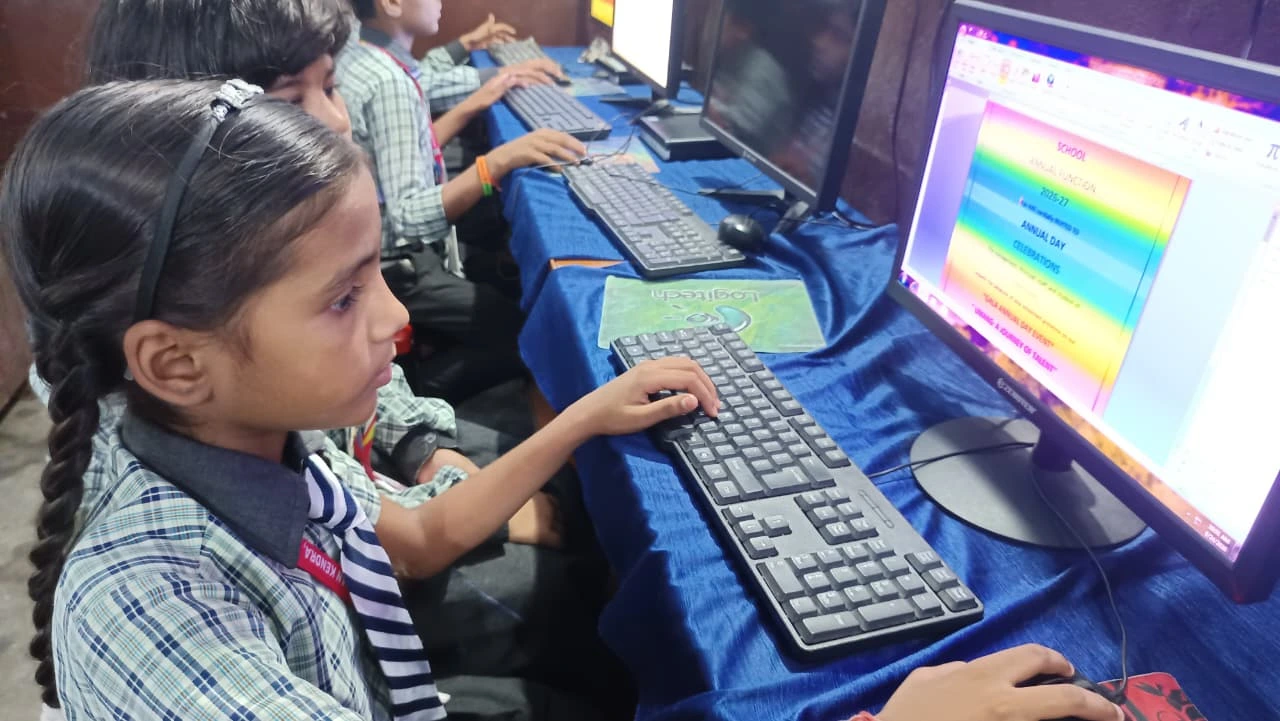
When your child has their own computer for learning, something shifts psychologically. They feel trusted. They develop ownership over their education. They no longer depend on you or a teacher to access information. They become problem-solvers who Google their questions, watch tutorials, and find solutions independently.
This independence is priceless. It prepares them for college, where self-directed learning is assumed. It prepares them for careers, where continuous learning is required. It prepares them for life, where curiosity and resourcefulness matter more than following instructions perfectly.
Your role changes too. You’re no longer the person who must know everything. You become the person who asks, “What did you try?” and “What would you do differently next time?” You become a guide instead of a gatekeeper.
Real Numbers: What Digital Education Changes
Students using digital learning tools show a 23 per cent improvement in mathematics scores within three months. They spend 40 per cent less time on homework because they work more efficiently. They feel 60 per cent more confident asking questions because they can practice privately first. These aren’t theoretical numbers. These come from families like yours who’ve made the switch.
Your child’s attention span improves because digital learning breaks content into manageable chunks. Your child’s retention improves because they engage multiple senses: reading, listening, doing, and seeing. Your child’s motivation improves because they get immediate feedback and track progress.
The Investment That Keeps Giving
A Rs. 30,000 computer isn’t just for this year. It’s for the next five years of your child’s education. It’s for siblings who’ll use it after. It’s for summer learning, weekend projects, and skill-building that happens outside school. You’re not buying a device. You’re buying access to better learning for your entire family.
When Rajesh bought a computer for Priya, he thought it was just for math. Within weeks, she was learning coding basics, creating presentations, researching science projects independently, and even teaching her younger brother. One device multiplied the learning across the family.
Your child’s future depends on skills schools don’t always teach. Critical thinking, digital literacy, independent problem-solving, and comfort with technology. Digital education through a dedicated computer builds all of these naturally, not as extras but as part of regular learning.
Apna PC makes this possible without breaking your budget. Your child deserves access to quality learning tools. Your family deserves the confidence that comes from knowing your student has the resources to succeed. Visit apnapc.com to learn more.