


Rajesh’s Son Sat in Front of a Textbook, Not a Computer
Rajesh Kumar works at a small textile shop in Indore. His son Aditya is in class 8. Last year, Rajesh bought his son a computer textbook. It had chapters on “What is a Computer” and “Parts of a Computer.” Aditya memorised everything. He could tell you what a CPU is, what RAM does, and what a keyboard looks like. But when Rajesh asked him to open an email, Aditya froze. He had never touched a real computer. He did not know where to click. This is the gap in computer education across Tier 2 and Tier 3 Indian cities. Your child can know about computers without knowing how to use them.
Computer education in most schools focuses on awareness, not skill. Students learn theory. They pass tests. But they do not get hands-on learning. This gap is real, and it costs your child’s future.
Why Awareness Alone Is Not Enough for Your Child
Knowing that a computer exists is not the same as knowing how to use one. Your child needs to practice. They need to click, type, drag, and problem-solve on an actual device. This is how real computer education works.
When you learn to ride a bicycle, reading about balance does not help. You need to sit on the bike. You need to fall a few times. You need to feel it. The same is true for computer education. Your child needs to feel the keyboard under their fingers. They need to see how the screen responds to their clicks. They need to make mistakes and learn from them.
Schools in cities like Delhi and Mumbai have computer labs. Students there get practice. But in smaller towns, computer labs are rare. Many schools do not have enough computers for all students. Some have computers that do not work. This is why many students from Tier 2 and Tier 3 cities fall behind.
When your child goes to college or applies for a job, no one will ask them to define a computer. They will be asked to use one. They will need to open documents, send emails, use software, and solve problems using technology. If your child has only read about computers, they will struggle.
The Power of Hands-On Learning for Digital Skills
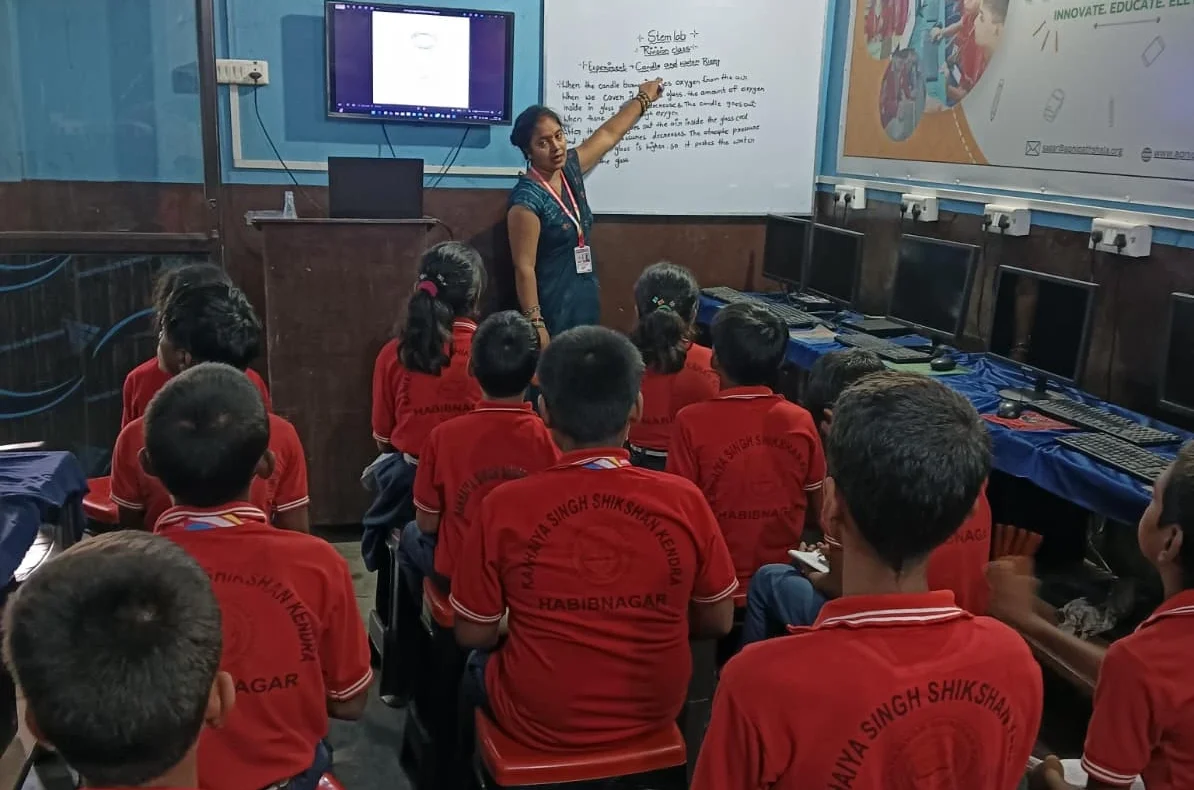
Hands-on practice changes everything. When your child sits at a computer and learns by doing, their brain works differently. They learn faster. They remember more. They build confidence. This is what real computer education should look like.
- Practice builds muscle memory. Your child’s fingers learn where the keys are. They learn keyboard shortcuts. They become faster without thinking.
- Mistakes teach lessons. When your child clicks the wrong button and sees what happens, they learn cause and effect. This is how real understanding comes.
- Confidence grows with use. A child who has used a computer feels ready for the digital world. A child who has only read about computers feels scared.
- Skills transfer to other areas. Once your child learns to use one program, they can learn others faster. The skills stick.
This is why hands-on practice matters so much. Your child needs real experience, not just theory.
Why Your Family Needs Access to a Real Computer
You might think: “My child goes to school. Is that not enough?” The answer is no. School time is limited. In many schools, hundreds of students share one computer lab. Your child might get only one hour per week at a computer. That is not enough to build real skills.
With a computer at home, your child can practice every day. They can try things at their own pace. They can repeat what they learned in school. They can explore and play with programs. This is where real learning happens.
Many families in smaller cities think a computer is too expensive or not necessary. But not having one costs more. Your child will fall behind peers in cities with computer access. When they go to college or job interviews, they will struggle with tasks that other candidates find simple.
That is why first computer access matters so much for families like yours. Your child deserves the same chances as children in big cities.
The Right Computer for Student Learning
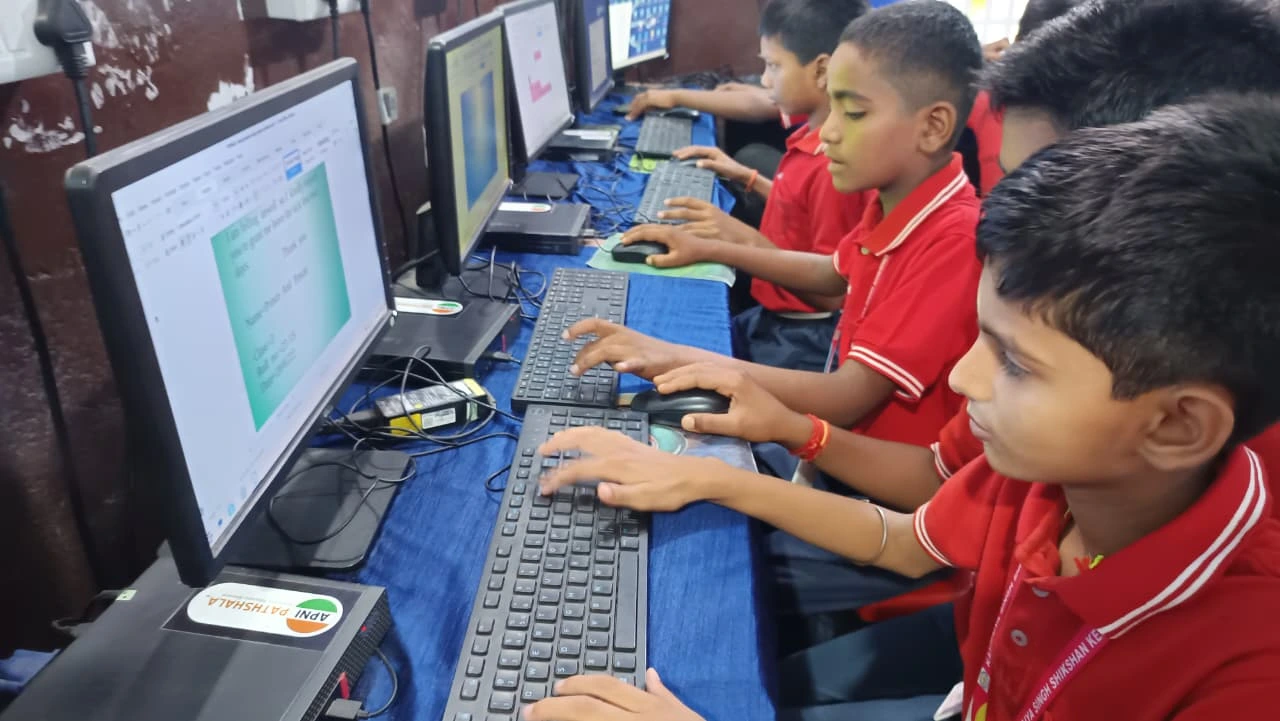
You do not need an expensive gaming computer or a laptop for your child to learn. You need a computer that is built for education. It should be affordable. It should be reliable. It should have the right software already installed. It should be easy for your child to use.
Apna PC is designed exactly for this. It is a Rs.30,000 educational computer made by Apni Pathshala. It comes with Zorin OS, which is easy to learn. It has Scratch, which teaches your child to code through play. It includes LibreOffice, similar to Microsoft Office. It also has Apni Prerna, which helps you monitor your child’s learning.
The computer has 8GB RAM and 128GB SSD storage. This is more than enough for a student to learn, create, and practice. It is not a toy. It is a real computer that will serve your child for years.
How Practice Leads to Real Skills Your Child Needs
Let us go back to Aditya. Three months after his father brought home a computer, everything changed. Aditya now opens his own email. He types his homework in a document. He uses Scratch to make simple games. He’s no longer afraid of technology. He is excited about it.
This is what happens when your child gets real computer education. Not just awareness. Not just theory. Real, hands-on learning.
Your child can learn from platforms like the DIKSHA digital learning platform. They can follow guidelines from the India Ministry of Education. But all of this works better when your child has a computer to practice on at home.
The future is digital. Your child will live in a world where computer skills are not optional. They are necessary. Starting now, with hands-on learning at home, gives your child an advantage that will last a lifetime.
Your child deserves more than awareness. They deserve real computer education. They deserve the chance to practice, to learn, to grow. Visit apnapc.com to learn more.