


Practice Learning: Why Apna PC Beats Just Solving More Questions
Last month, Meena sat in her small living room in Indore, staring at her son Arjun’s math test paper. Twenty-three out of one hundred. Her stomach sank. She had already bought him three different practice books. He solved fifty questions every weekend. Yet nothing was working. That night, she realised something crucial about practice learning: solving more questions was not teaching him how actually to learn. He was going through the motions, copying solutions without understanding why they worked. This is where most parents get stuck. You buy resources, your child practices hard, but real learning does not happen. Apna PC works completely differently.
Why Solving More Questions Does Not Equal Better Learning
Think about what happens when your child solves ten questions from a practice book. They write answers, check if they are right or wrong, and move on. But do they understand why they got question seven wrong? Do they see the pattern connecting questions two and eight? Probably not. This is passive practice. Your child is consuming information, not building understanding.
Real learning requires something different. It requires your child to think actively, make connections, and build knowledge step by step. When you use Apna PC’s approach to practice learning, your child does not just solve problems. They explore concepts through visual demonstrations, experiment with ideas, and learn why solutions work.
Arjun’s breakthrough came when his tutor switched methods. Instead of assigning fifty questions, she used interactive tools to show him how fractions actually work. He could see them, manipulate them, and then solve problems with genuine understanding. His next test score was 67/100. The difference was not more practice. It was smarter practice.
How Active Learning Changes Practice Into Real Understanding
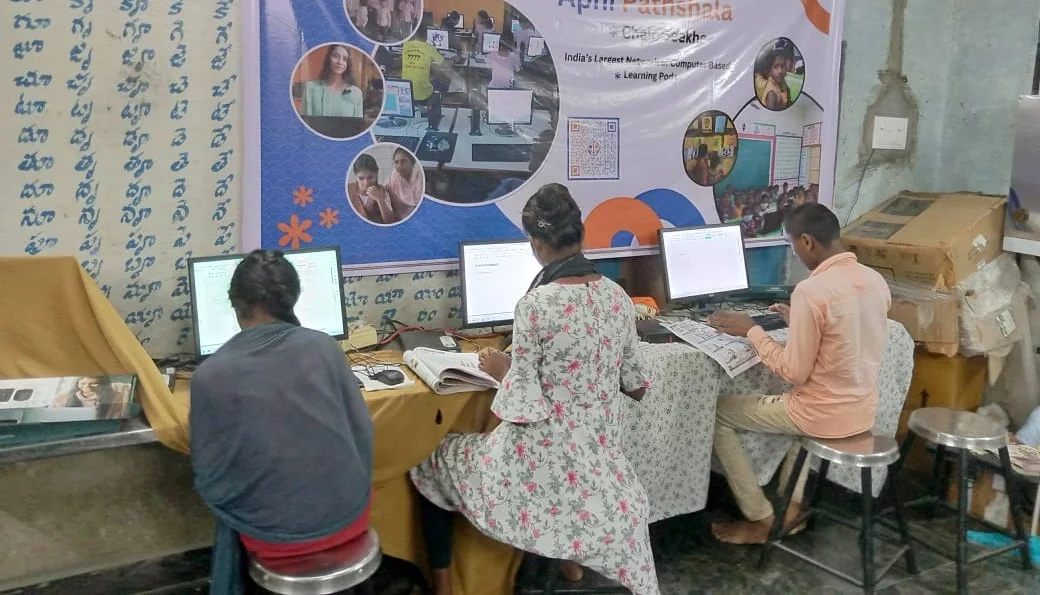
Active learning means your child does something with the information, not just receives it. At Apna PC, we have built this into our educational computer. With pre-loaded tools like Scratch, your child does not just learn programming concepts. They create real programs and see cause and effect in real time. They are not passive. They are builders.
Here is what active practice learning looks like:
- Visual demonstrations: Your child sees concepts come alive on screen, not just read about them in textbooks
- Hands-on experimentation: They try things, make mistakes, and learn from immediate feedback
- Problem-solving with purpose: Questions are not random. They build on each other, creating a connected understanding
- Self-paced exploration: Your child controls their learning speed, not a timer or a textbook schedule
This is why visual learning works so well with practice learning. When your child sees a concept demonstrated, then immediately applies it, the learning sticks. They are not memorising answers. They are building mental models of how things actually work.
The Role of Your Child’s Environment in Effective Practice
You cannot separate practice learning from the environment where it happens. If your child is distracted, frustrated, or using outdated tools, even smart practice will not work well. This is why Apna PC comes with Zorin OS, a clean, focused operating system. No ads. No random notifications pulling attention away from learning.
The 8GB RAM and 128GB SSD mean everything runs smoothly. No waiting for programs to load. No freezing during important moments. Your child stays focused on learning, not fighting with technology. The pre-loaded Apni Prerna monitoring system also helps you see what your child is actually doing, not just guessing based on test scores.
Meena noticed this with Arjun. When he switched to learning on a proper device without distractions, his focus improved dramatically. He spent thirty focused minutes on Apna PC learning more than he used to in two hours with a practice book and a phone buzzing in the corner.
Building Independent Learning Habits That Last
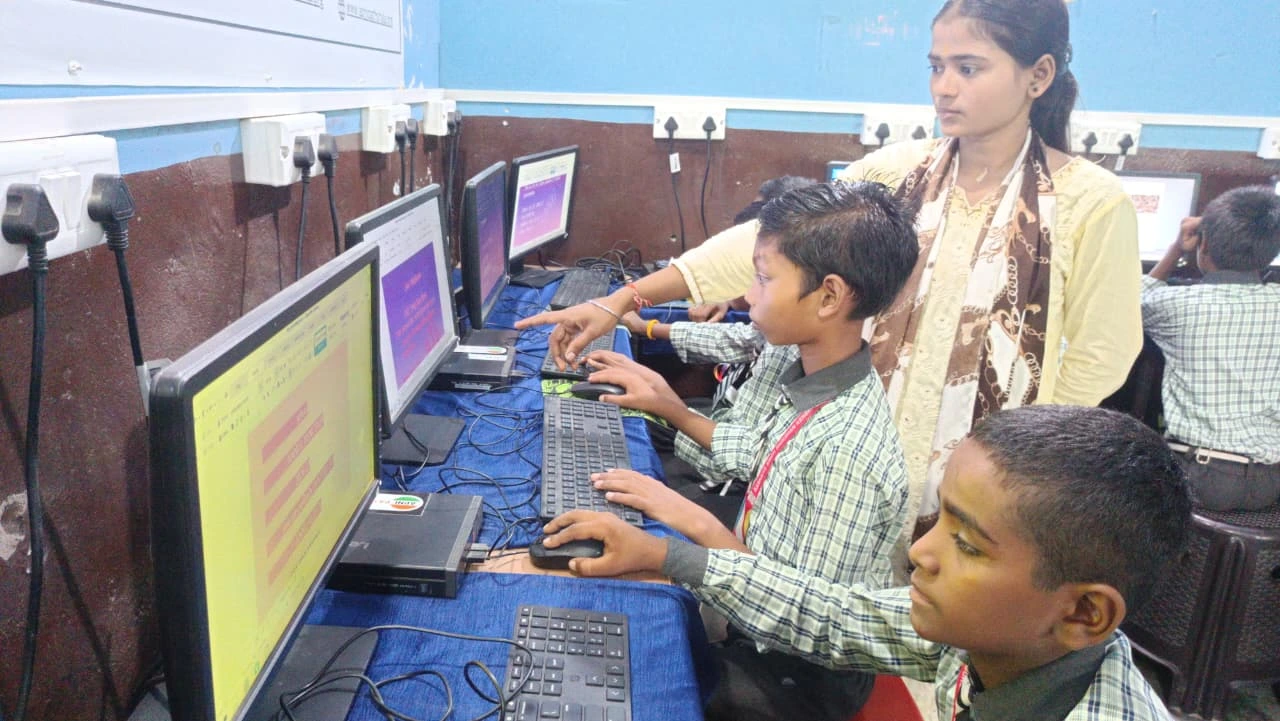
The real goal is not just better test scores this month. It is building habits your child will use for life. When your child practices learning through active methods, they develop independent learning habits. They learn how to explore questions themselves, find answers, and verify their understanding.
This is what separates students who need constant supervision from students who take charge of their own learning. With Apna PC’s approach, your child is not waiting for you to check their homework. They are checking their own understanding through exploration and experimentation.
LibreOffice and Scratch are not just programs. They are tools that teach your child to be curious and independent. When your child learns to create something in Scratch, they are not following a textbook. They are solving real problems. They are thinking like a programmer, a mathematician, a designer.
Making Practice Learning Work at Home
You don’t need expensive tutors or fancy coaching centres to give your child access to smart practice learning. Apna PC, at Rs.30,000 (shipping and GST excluded), brings this directly into your home. It is an investment in your child’s learning method, not just another device.
Start by letting your child explore. Do not force them to solve fifty questions. Let them use Scratch to build something they are interested in. Let them use LibreOffice to create, not just consume. When your child chooses what to explore, they are already engaged in active learning.
You can also access government resources like the DIKSHA digital learning platform through Apna PC, giving your child access to quality content designed by educators. Combine this with the practice learning approach, and you have a powerful system.
The Numbers Behind Better Learning
Research shows that active learning produces better retention than passive practice. Your child remembers concepts they have explored and applied far longer than concepts they have just read about. They also develop problem-solving skills that transfer to new situations, not just the exact problems they practised.
Arjun went from 23/100 to 67/100, not because he practised more. He improved because he practised differently. He understood fractions instead of memorising steps. Now when he sees a new fraction problem, he does not panic. He applies his understanding.
Your Child’s Learning Journey Starts Here
Practice learning is not about quantity. It is about quality, engagement, and building real understanding. Apna PC gives you the tools and environment to make this happen at home. Your child deserves to learn in a way that actually works, not just grind through more and more questions.
Meena’s decision to change Arjun’s learning method changed everything. Your child’s breakthrough could be just one decision away. Visit apnapc.com to learn more.