


A Mother’s Struggle: Why Riya Needed Digital Notes
Last month, Priya sat at her kitchen table in Indore, watching her 12-year-old daughter Riya flip through three different notebooks. Science notes were scattered across one book, math formulas in another, and English summaries stuffed into a third. Riya couldn’t find what she needed when she needed it. Her handwritten notes were messy, scattered across pages, and worst of all, she’d lost half of them before exams arrived. Priya knew something had to change. That’s when she discovered digital notes and how they could transform her daughter’s study life.
You probably recognise this scene. Your child has notebooks everywhere. They can’t locate that important history date when they need it. Papers get crumpled in backpacks. This is where digital note-taking becomes a game-changer for students in tier 2 and tier 3 cities across India.
Why Digital Notes Matter for Your Child’s Learning
Digital notes aren’t just about typing instead of writing. They’re about organisation, searchability, and keeping everything in one safe place. When your child takes study notes digitally, they can organise them by subject, date, or topic in seconds—no more hunting through five notebooks to find that one formula your son needs right now.
The real power comes from how digital note-taking helps your child think differently about learning. When Riya started taking digital notes on her Apna PC, she began organising her thoughts better. She’d type her science notes, then immediately add tags and organise them across subjects. Her brain started working faster because she wasn’t worried about where to write or how to fit everything on a page.
Studies show that students who use digital note-taking systems perform better because they spend less time searching and more time studying. Your child can add colour, highlight important points, and even add images or diagrams to their study notes. This multi-sensory approach helps information stick in their memory longer.
Building a Personal Library on Apna PC
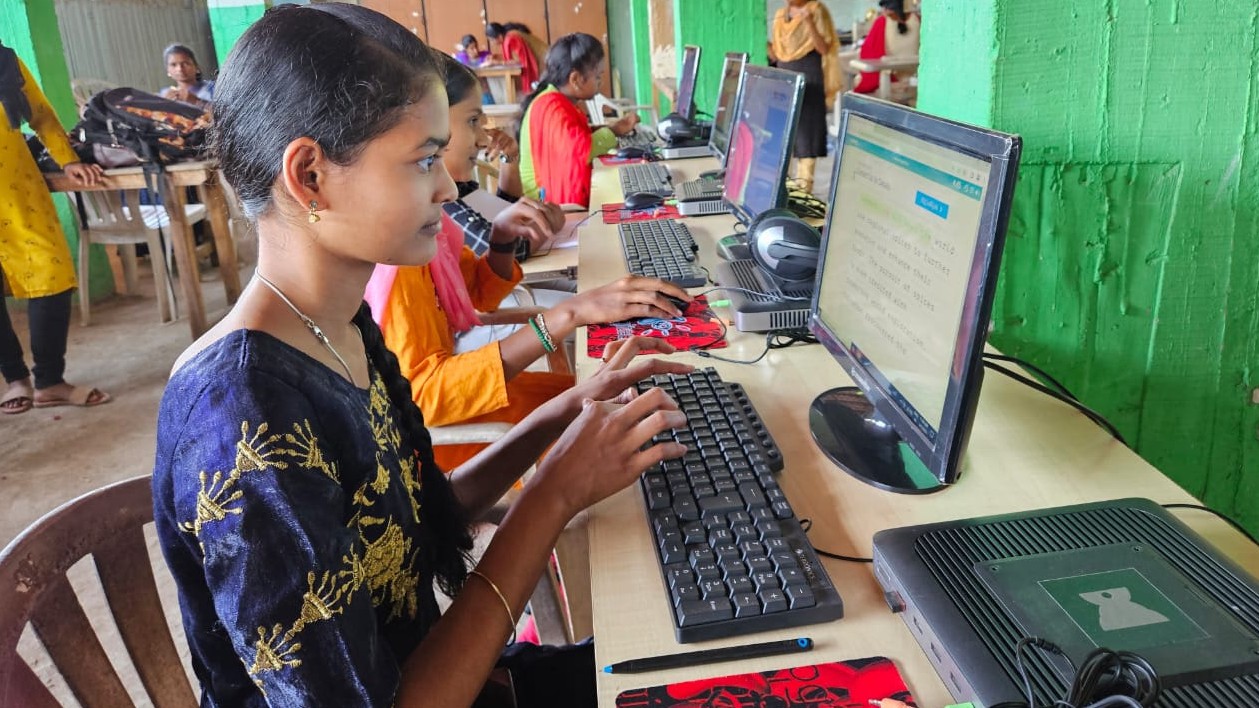
Apna PC comes pre-loaded with LibreOffice, which is perfect for creating a structured note-taking system. Your child can create folders for each subject, then subfolders for each chapter or topic. Imagine having all of your son’s math notes from class 6 through class 8 organised and searchable in one place. That’s not just convenient. That’s powerful.
Here’s what makes it special for Indian families: Apna PC costs just Rs.30,000 and includes 8GB RAM and 128GB SSD storage. That’s enough space for years of study notes, materials, and projects. Your daughter won’t run out of room. She won’t lose her files because they’re backed up on the computer’s solid storage.
The operating system is Zorin OS, which is simple and fast. Your child won’t get distracted by complicated settings or slow loading times. They’ll open LibreOffice, create their note document, and start learning. The Apni Prerna monitoring system also helps you track study time without being overbearing.
How to Help Your Child Get Started
Start small. Don’t ask your child to digitise every old notebook on day one. Instead, have them create a simple system for future notes. One folder per subject. One document per chapter or unit. That’s it.
Teach them to use formatting, bold the headings. Use bullet points for lists. Add dates to every note. These small habits make searching and reviewing so much easier later. When exam time comes, your child will thank you because finding information takes seconds, not hours.
You can also encourage your child to add their own summaries and observations to the notes. This isn’t just copying from textbooks. It’s active learning. When your daughter writes in her own words, she’s processing information, understanding it, and building her own learning library.
The Scratch pre-loaded on Apna PC can also help creative learners make visual notes or flowcharts. Your son might use it to create diagrams for biology or history timelines. Digital note-taking doesn’t mean typing everything. It means using the right tool for the right information.
Organising Study Notes Across Subjects
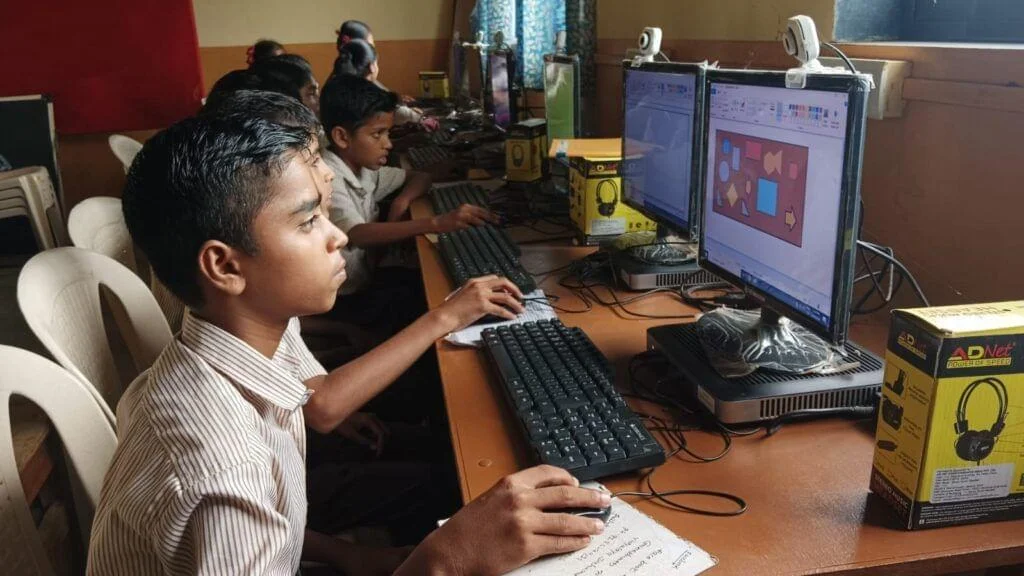
One of the biggest advantages is keeping notes organised across subjects without any physical mess. Your child’s entire study material stays in one device. No lost papers. No damaged notebooks. Everything is safe and searchable. Learn more about keeping notes organised across subjects on the Apna PC website.
This approach aligns with the Digital India movement and the Digital India initiative, which encourages students to embrace technology for better learning outcomes. Your child isn’t just keeping digital notes. They’re developing digital literacy skills they’ll need for their entire life.
Building Study Habits That Last
Digital notes work best when they’re part of a routine. Help your child develop small study habits that include regular note review and time for organisation. Maybe every Friday evening, your daughter spends 15 minutes organising her week’s notes. This takes almost no time but keeps everything clean and searchable.
The beauty of digital note-taking is that it encourages consistency. Your child will naturally want to keep things organised because it’s so easy. They’ll develop better study habits without you having to push them constantly.
When Riya started using her Apna PC for digital notes, her exam scores improved within two months. She wasn’t studying longer. She was studying smarter. Her notes were organised. She could find information instantly. She could review faster. Most importantly, she felt more confident walking into exams.
Your child deserves the same advantage. Investing in a device like Apna PC isn’t just about buying a computer. It’s about giving your child the tools to build their own study notes system that will serve them through school and beyond. Visit apnapc.com to learn more.