


Rajesh sat in his Nagpur living room last Tuesday evening, watching his 10-year-old son Arjun stare blankly at the TV screen. The child was supposed to be learning through an educational YouTube channel, but his mind was clearly elsewhere. His daughter Priya, 8, sat beside him playing a game on her mother’s phone instead of doing her homework. Rajesh felt the familiar frustration: how could he give his children the right educational technology tools when the family’s only real learning device was a television that showed everything except what they actually needed? That’s when he discovered Apna PC, and everything changed.
Why Your Family’s TV Isn’t an Educational Technology Solution
The television has been India’s family entertainment centre for decades. But here’s the truth: a TV is a one-way device that broadcasts content your kids passively watch. It doesn’t let your children interact, create, or learn at their own pace. Educational technology means tools that adapt to your child’s learning speed and style.
When Arjun’s school suggested he learn coding basics, Rajesh couldn’t help him on the TV. You can’t write code, save projects, or practice skills on a television screen. Your child needs a real computer to participate in modern learning, not just observe it.
The Shift from Passive Watching to Active Learning
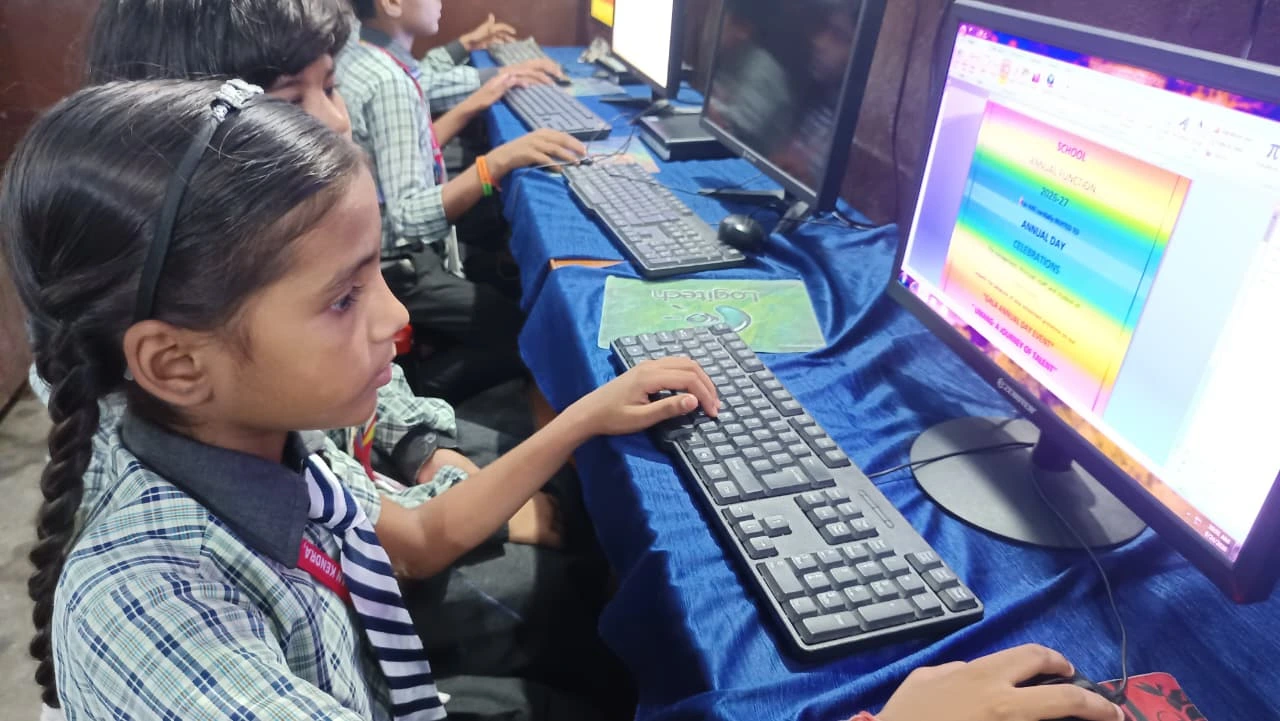
Apna PC changed how Arjun approaches his studies. Instead of sitting passively, he now opens LibreOffice to write essays with proper formatting. He uses Scratch to create simple games and animations, understanding logic and problem-solving in the process. His teacher noticed the difference within two weeks.
Priya started using the built-in educational apps to practice her math tables and English grammar. She could repeat exercises as many times as she wanted without feeling embarrassed. The educational computer gave her the confidence to learn at her own rhythm.
This is what real educational technology does. It puts your child in control of their learning journey rather than making them passive viewers.
Your Child’s First Student Computer: What Changes at Home
When you bring home a first student computer, your entire home learning setup transforms. Your child now has a dedicated device for schoolwork, research, and skill-building. The distraction of TV channels and random videos disappears because this educational technology is designed specifically for learning.
Apna PC comes pre-loaded with Zorin OS, a user-friendly operating system that feels intuitive even for kids using a computer for the first time. LibreOffice helps them create documents, spreadsheets, and presentations like professionals. Scratch teaches coding through a visual, block-based interface that makes programming feel like playing with digital blocks.
The 8GB RAM and 128GB SSD mean your child’s computer runs smoothly even when they’re working on multiple projects. No more frustrating lag or crashes that waste their study time.
Educational Technology That Monitors Progress, Not Just Screen Time
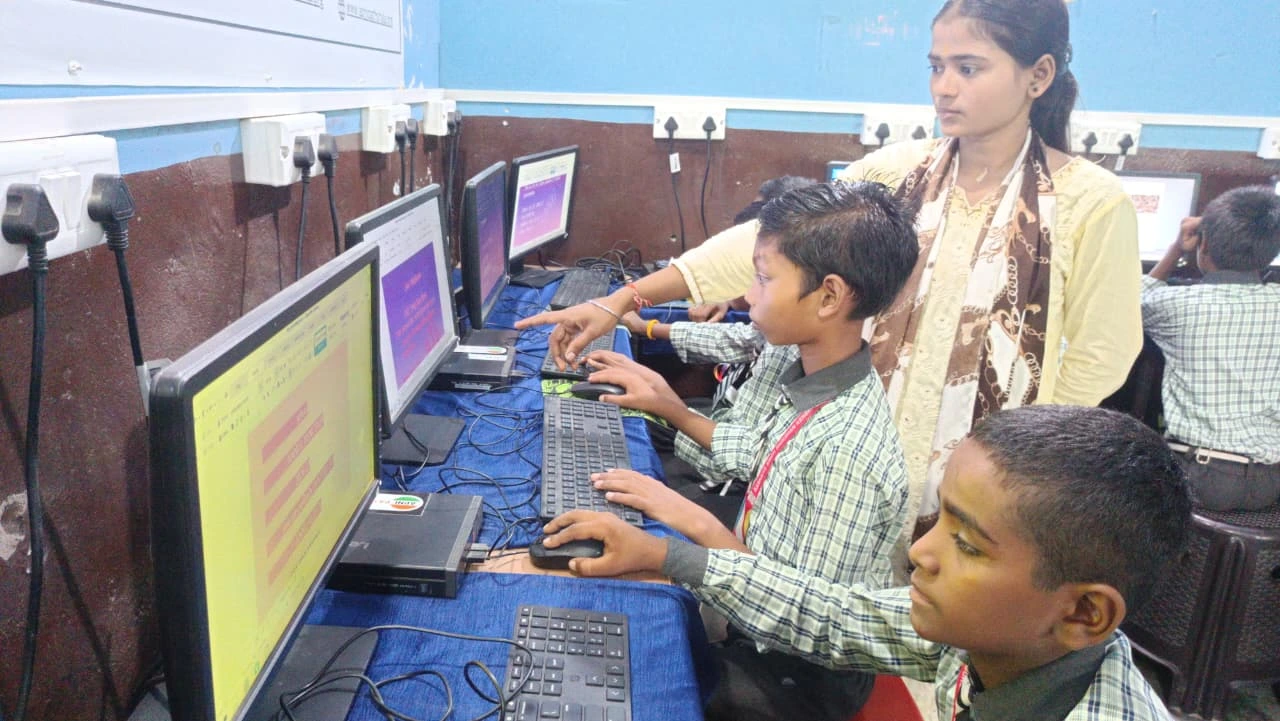
Rajesh’s wife was concerned about how much time the kids spent on the computer. That’s when they discovered Apni Prerna, the built-in student monitoring system. This educational technology tool lets parents see what their children are actually doing on the device.
You can check which applications they’re using, how long they spend on each task, and whether they’re actually studying or just browsing. This isn’t about spying on your kids. It’s about understanding their learning patterns and supporting them better. You’ll know if Arjun is struggling with a particular subject and needs extra help.
Rajesh now sits with Arjun for 30 minutes each evening, not to watch over him, but to understand his progress through Apni Prerna’s insights. Their conversations about learning became deeper and more meaningful.
Building Your Child’s Digital Skills for the Future
India’s Digital India initiative and platforms like the DIKSHA digital learning platform show that educational technology is the future of learning in our country. Your child needs to be comfortable with computers, not just smartphones.
When Priya learns to type properly on a keyboard, use a mouse efficiently, and navigate computer applications, she’s building skills that’ll help her in high school, college, and her career. Educational technology isn’t just about today’s homework. It’s about preparing your child for tomorrow’s opportunities.
Arjun started exploring online courses through his school’s partnership programs. He’s now learning web design basics, something that wouldn’t be possible on a TV or even a smartphone.
Fitting Apna PC Into Your After-School Routine
You might wonder how to incorporate another device into your already busy family schedule. The key is to replace screen time, not add to it. If your child was watching TV for an hour daily, that same hour on Apna PC becomes productive learning time.
Many families find that using Apna PC for their after-school tutoring routine works perfectly. Your child comes home, sits at the computer for focused study time, completes homework, and practices new skills. The educational technology becomes part of their natural routine, not an extra burden.
At just Rs.30,000 (shipping and GST excluded), Apna PC costs less than many smartphones your family might already own. Yet it delivers far more educational value.
What Parents Like Rajesh Are Discovering
Rajesh recently told his neighbour the best part isn’t the computer itself. It’s watching his children become curious learners who ask questions and explore topics independently. The TV used to be the anchor of family learning time, but it was an anchor that didn’t move forward.
Educational technology like Apna PC becomes the new anchor. Your child learns, creates, explores, and grows. Your role shifts from managing screen time to guiding genuine learning.
Priya now wants to learn animation. Arjun talks about building his first website. These aren’t just passing interests. They’re the result of having proper educational technology that empowers kids to dream bigger.
The TV will always have a place in your home for family entertainment. But when it comes to real learning, your child deserves better. They deserve educational technology that lets them participate, create, and grow. Visit apnapc.com to learn more.