

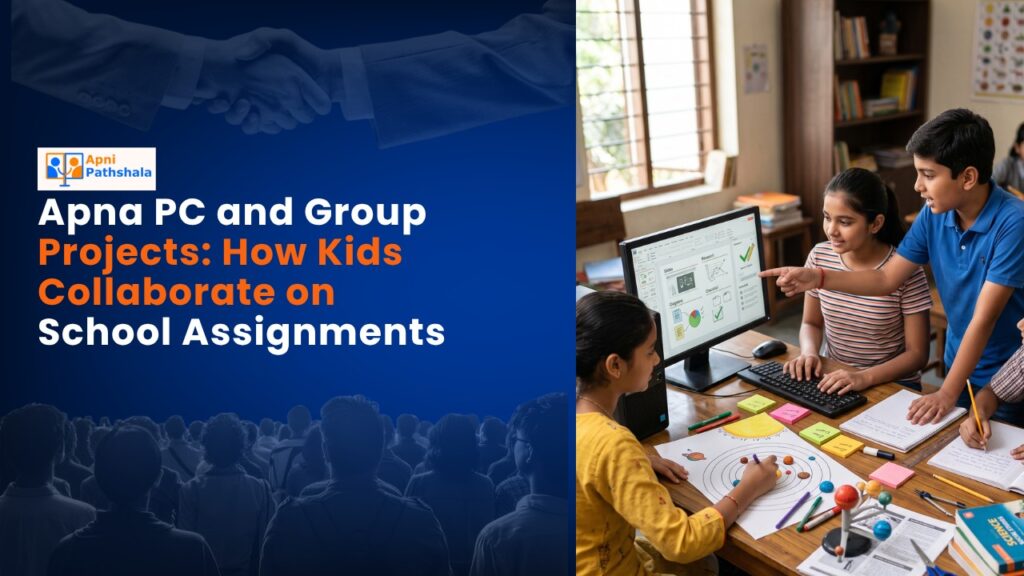
School group projects are a cornerstone of modern education in India. They teach students how to work together, share ideas, and solve problems as a team. But coordinating group projects can be challenging, especially when students don’t have reliable access to computers and internet at home. Apna PC changes this equation by giving every student an affordable device to collaborate seamlessly on school assignments, research, and presentations.
Why Group Projects Matter for Student Learning
Group projects develop skills that textbooks alone cannot teach. When students collaborate on assignments, they learn communication, leadership, and compromise. They discover different perspectives and build confidence speaking up in front of peers.
According to Education in India, collaborative learning has become central to the Indian school curriculum. The National Education Policy encourages group work across all subjects. Yet many students still lack the tools to participate fully.
Without a personal computer, a child might miss deadlines, fall behind on research, or feel excluded from online group decisions. Apna PC solves this by putting an affordable device in every student’s hands for just Rs. 21,000.
How Apna PC Enables Better Group Project Collaboration
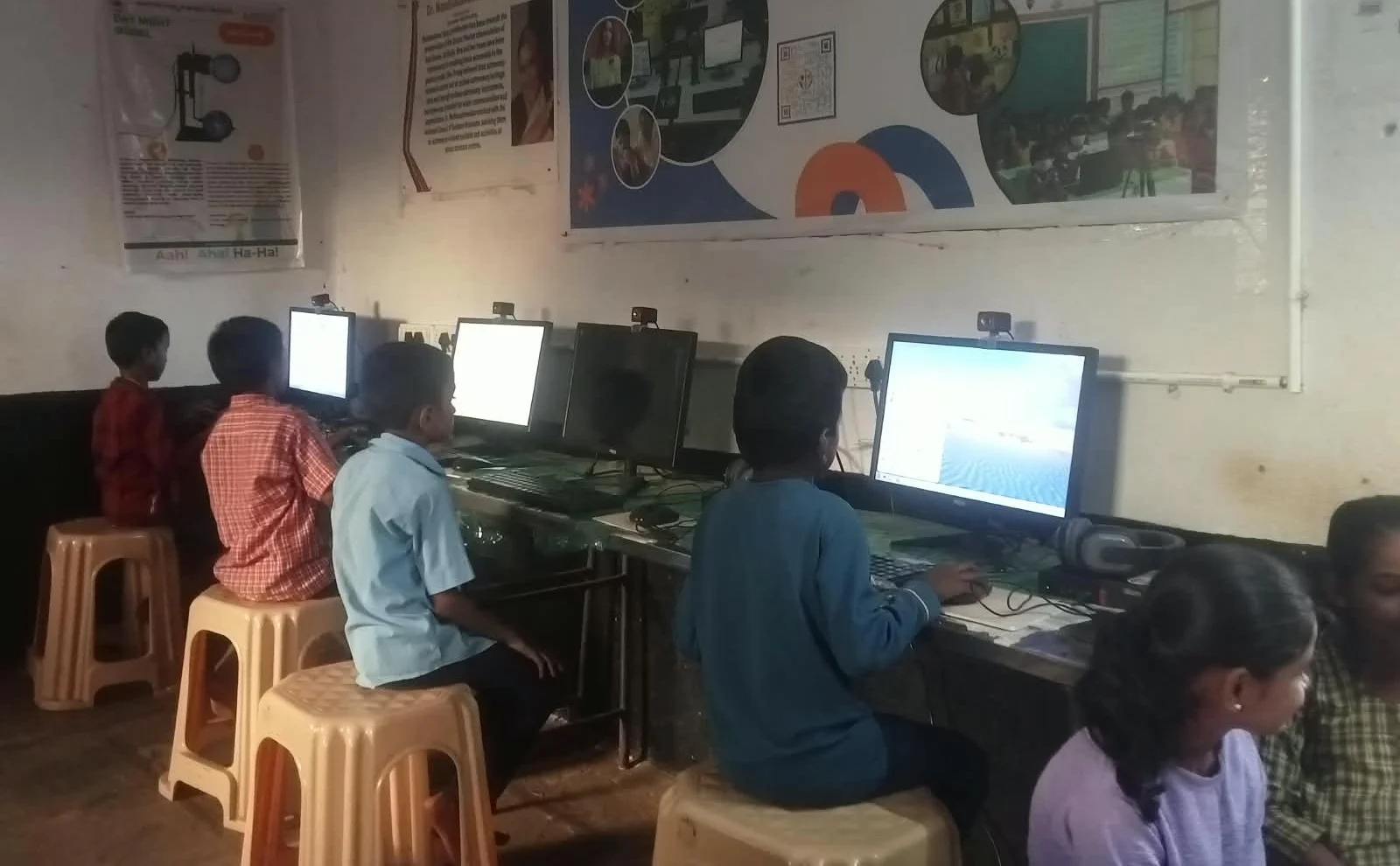
Group projects require real-time communication and file sharing. Apna PC gives students the power to contribute equally, whether they’re at school, at home, or anywhere in between.
With Apna PC, students can use Google Docs to co-write essays, Canva to design presentations together, and email to share research files instantly. They can join video calls to brainstorm ideas and divide tasks fairly. No child is left behind because they don’t have a computer.
The device runs smoothly for all the tools teachers assign. Spreadsheets, word processors, and presentation software work without lag. Students focus on their work, not on technical frustration.
Practical Tips for Managing Group Projects at Home
Parents can support their children’s collaborative work by creating a dedicated study space. A quiet corner with Apna PC and a stable internet connection sets the stage for productive group sessions.
Encourage your child to schedule regular check-ins with group members. Weekly video calls or messaging updates keep everyone on track. Set clear deadlines for each part of the project so no one rushes at the last minute.
Help your child use focused learning techniques at home. Time blocks of 45 minutes followed by short breaks improve concentration during group work sessions.
Building Confidence Through Collaborative Learning
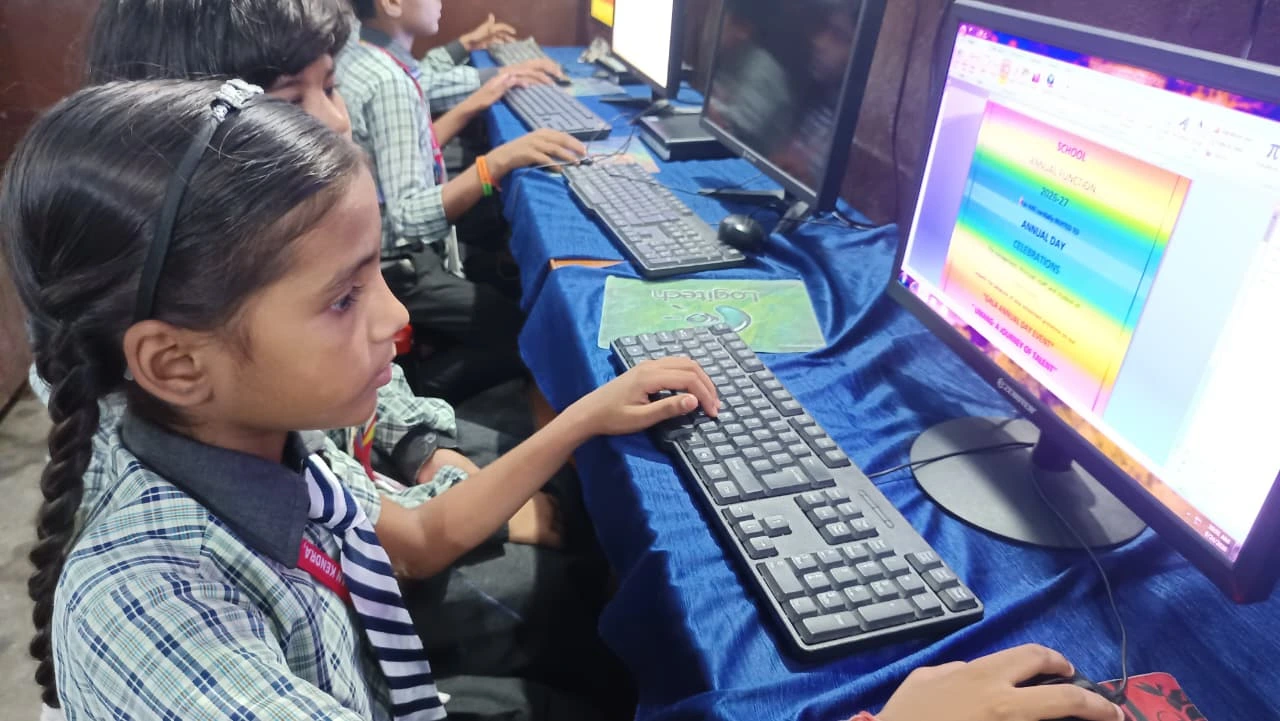
Some students feel nervous speaking up in group projects. Having their own computer at home gives them space to practice, prepare, and build confidence before contributing ideas to the team.
They can research topics thoroughly, draft their thoughts, and refine their contributions. This preparation makes them feel more ready to share during group meetings. Over time, this builds real leadership skills.
Learn more about active learning methods for students that work well for group projects.
Overcoming Common Group Project Challenges
Unequal work distribution is a common problem. With Apna PC, parents can help track who is doing what. Google Docs shows who edited what and when. This transparency encourages fairness and accountability.
Time zone and schedule conflicts matter less when students have their own devices. They can contribute asynchronously, working on their parts when it suits them, then syncing with the group later.
Technical issues also disappear. Apna PC is built for students. It doesn’t crash during important uploads or freeze during presentations. Reliability means students can focus on the work itself, not on device problems.
What the Ministry of Education Says About Collaboration
The Indian Ministry of Education has emphasised that digital access is essential for modern learning. Group projects are part of this vision. Every student deserves the tools to participate fully.
Apna PC aligns with this mission. It’s designed specifically for Indian students and families. The price point ensures no child is excluded because of cost. The hardware is reliable enough for daily schoolwork.
Real Benefits Parents See
Parents report that their children become more organised when they have their own computer. Assignments get submitted on time. Group projects run smoothly because everyone can access shared files instantly.
Children also develop digital literacy skills that will serve them throughout their careers. They learn to use professional tools early. They understand how modern teams work across distances.
Most importantly, they feel equal to their peers. No child feels left out because they don’t have a device at home. Group projects become fun, not stressful.
Getting Started with Apna PC for Your Student
If your child struggles with group projects because they lack computer access, Apna PC is the answer. At Rs.21,000, it’s an investment in their education and confidence.
The device comes ready to use, no complicated setup. Your child can start collaborating immediately on school assignments, research, and presentations.
Group projects will no longer be a source of anxiety. Instead, they become opportunities for your child to shine, learn from peers, and build skills that matter for their future.
Visit apnapc.com to learn more about how Apna PC can transform your child’s school experience and make group project collaboration easy, fair, and productive.