

Exam confidence builds through repeated small successes during daily study, not through a single all-night revision session. When a student finishes today’s practice problems correctly, recalls yesterday’s vocabulary without looking, and completes a short Scratch exercise, that string of small completions adds up. Over weeks, those small wins change how a student feels about sitting an exam.
Why Do Cramming Sessions Fail to Build Exam Confidence?
Cramming produces familiarity, not confidence. A student who has just re-read three chapters can recognise concepts on the page but cannot reliably recall them under exam pressure. Confidence comes from having recalled something successfully many times before, not from having recently read it.
Spaced daily practice, even for short sessions, builds the kind of deep recall that holds up under exam conditions. A student who has recalled the same concept on five separate days feels genuinely confident when it appears on a test. That is the difference between exam confidence and exam hope.
What Makes a Daily Win Useful for Confidence?
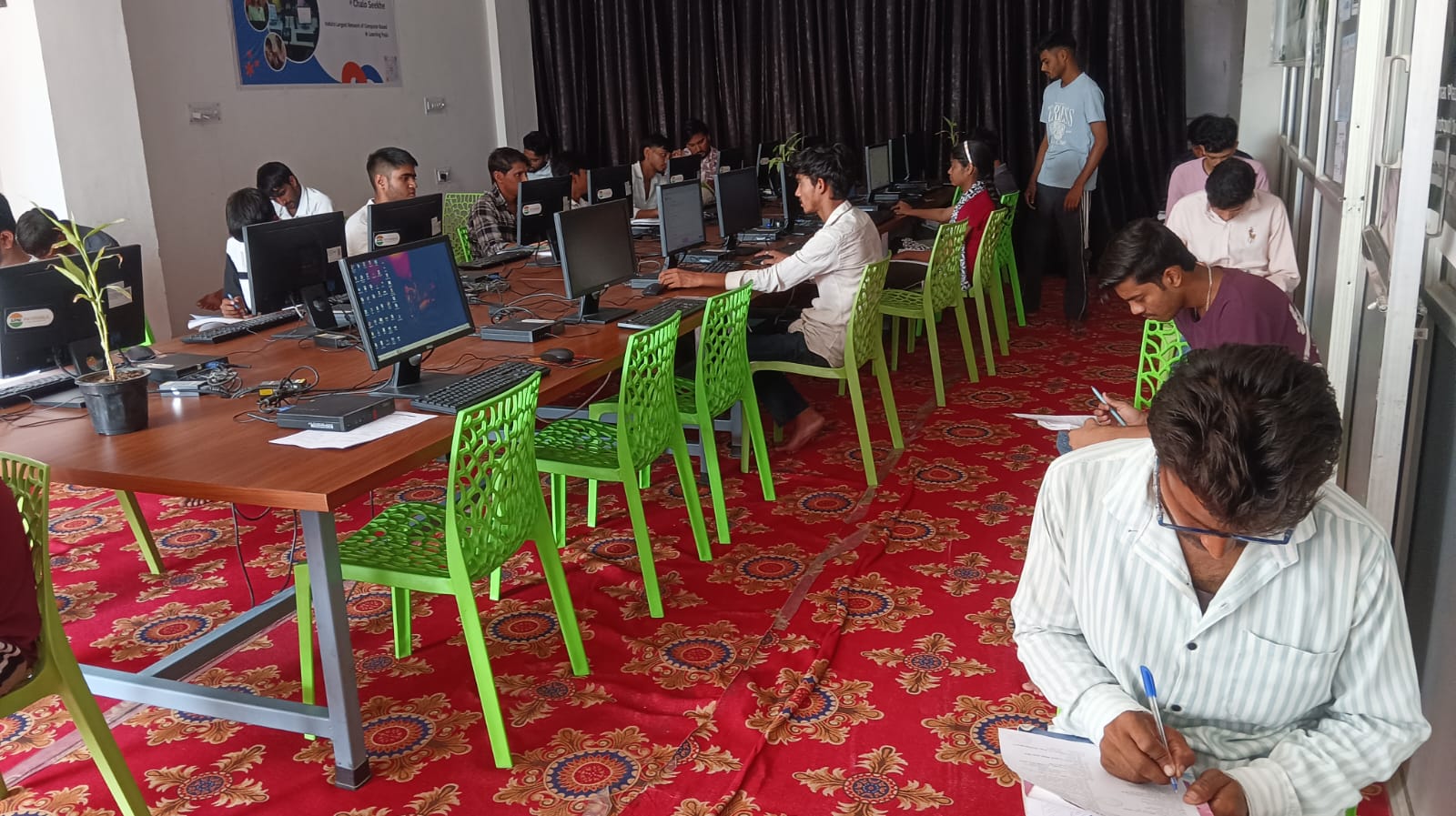
A daily win has three characteristics: it is specific, it is achievable, and it can be verified. “I want to study maths today” is not a win condition. “I will solve five algebra problems without help and check my answers” is a daily win with a clear completion point.
Apna PC supports this structure. LibreOffice lets students keep a daily log of what they completed. Scratch lets students build small maths or science projects that demonstrate mastery. DIKSHA provides curriculum-aligned practice that maps directly to exam content. The hardware, 8GB RAM and 128GB SSD on Apna PC, runs all of these tools without lag or interruption.
How Does Tracking Progress Help Students Reduce Exam Anxiety?
Exam anxiety comes partly from not knowing whether preparation is working. When a student can point to a record of daily completions over the past month, the question “am I ready?” becomes easier to answer. The record is evidence. Students who track their daily wins tend to feel more grounded heading into exams because they have something concrete to look at.
Apni Prerna, Apna PC’s built-in monitoring, provides this record automatically. Parents can review what their student worked on each day without asking the student to report. That reduces nightly conflicts about whether studying happened and replaces them with specific conversations about what was completed.
What Daily Wins Should Students Target Before an Exam?
- Recall sessions: Write down everything remembered about one topic without looking at notes, then compare with the textbook to find gaps
- Practice problems: Complete a set number of problems in a fixed time, record the score, and track it improving over sessions
- Explanation practice: Explain one concept from today’s study to a family member without reading from notes
- Format review: Complete one CBSE-style question in the correct format and self-check against the marking scheme
These wins are concrete and verifiable. When students have completed each one, they know the session was effective. Why students focus better after a short break explains how to structure sessions with these wins across the day without burnout.
How Does Apna PC Help Students Build a Daily Win Habit?
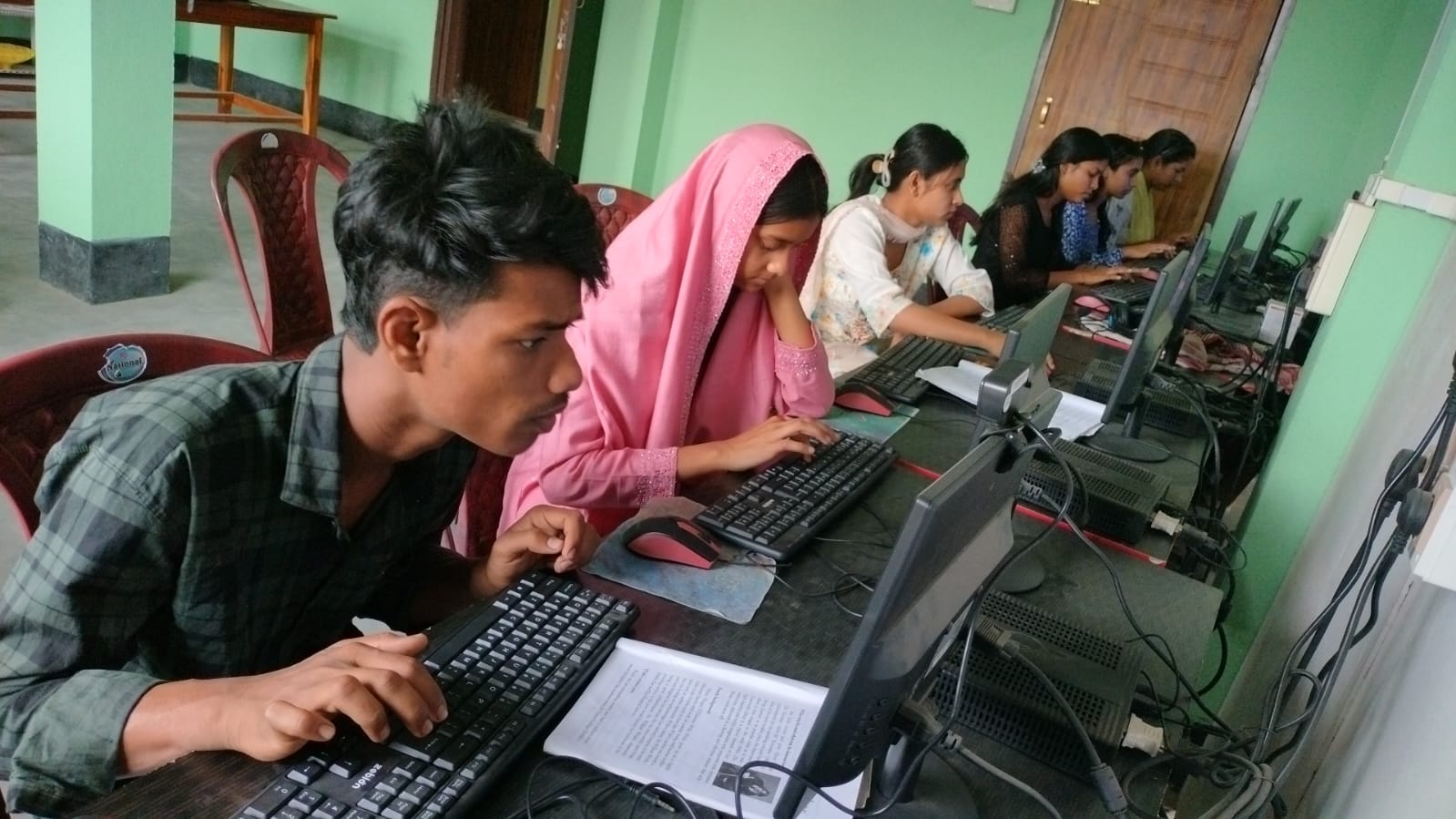
Apna PC at Rs.30,000 (shipping and GST excluded) is built for home study in India. Its focused setup, with no games or social media shortcuts, means that when a student sits down, the environment supports work rather than distraction. The same desk, the same computer, the same routine builds the habit faster than studying across different devices in different locations.
Parents in Tier 2 and Tier 3 cities find that the consistency of using one dedicated device for all school work, rather than sharing a family phone or borrowing a laptop, makes the daily win habit practical rather than aspirational. See more on spotting burnout before it becomes serious and how computer-based exam practice builds confidence.
Frequently Asked Questions
How many small wins does a student need each day to build exam confidence?
Three to five clear completions per study session is a practical target. More than five can become a list that feels overwhelming. Fewer than three may not provide enough momentum to build a consistent pattern. What matters more than the number is that each win is specific, completed, and recorded. A student who consistently hits three verified completions per session over a month will notice a real shift in how they feel about their preparation.
What should parents do when a student fails to complete their daily wins?
Missing a session is normal. The response that works best is a small adjustment rather than a conversation about effort. Ask what made the session difficult: was the goal too large, the subject too unfamiliar, or the environment too distracting? Adjust the goal size or the session structure, not the standard. A student who skipped revision entirely can restart with one five-minute recall exercise rather than attempting to catch up with a long session.
Is Apna PC useful for students who are preparing for board exams specifically?
CBSE board exam preparation requires consistent daily practice across multiple subjects. Apna PC’s pre-loaded tools support this directly. LibreOffice handles document and answer-writing practice. DIKSHA provides curriculum-aligned content for all CBSE subjects. The monitoring system in Apni Prerna lets parents track which subjects are getting consistent daily practice and which ones are being avoided. See more at how computer practice connects to better exam results.
How do small daily wins differ from just doing homework?
Homework is assigned by the school. Daily wins are chosen by the student or parent based on what the student needs most. Homework is a minimum floor; daily wins go beyond that floor to address specific gaps. A student who has finished homework but has not yet recalled today’s science vocabulary has completed the assignment but not done a retrieval win. Both matter, but daily wins address the specific preparation gaps that homework does not always cover.
Exam confidence is built in the daily sessions, not in the final week before the exam. Apna PC gives students the right environment for consistent daily preparation. Visit apnapc.com to learn more.