

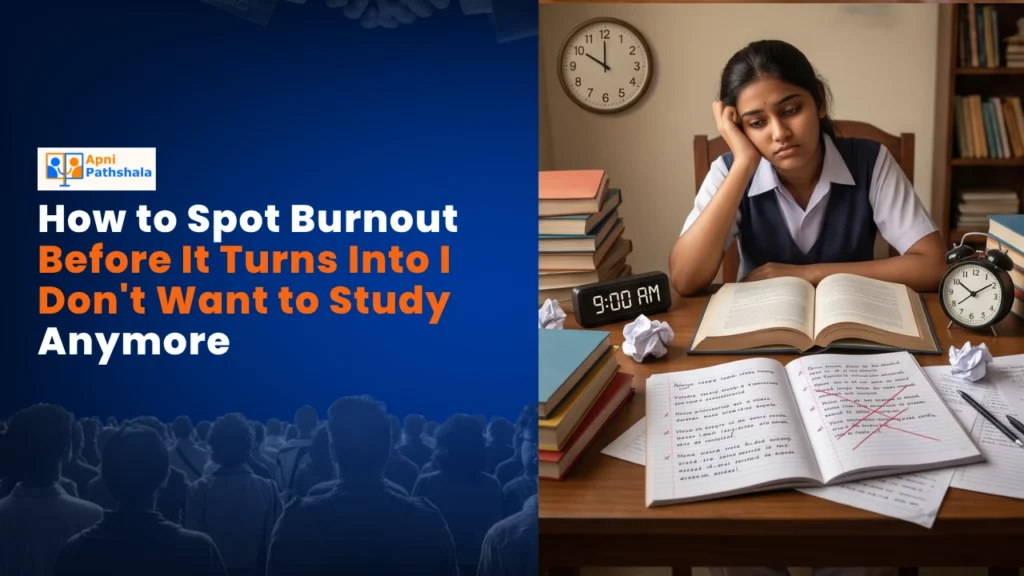
Aarav’s Story: When Student Burnout Changed Everything
Aarav was a bright 14-year-old from Indore. His mother, Priya, watched him score 95% in Class 9. But by mid-Class 10, something shifted. He’d sit at his desk for hours, staring at textbooks without reading a single line. His eyes looked hollow. He’d snap at his younger sister over nothing. When Priya asked about his day, he’d shrug and say, “I don’t want to study anymore, Mom.”
What is Student Burnout and Why It Matters
Student burnout is emotional exhaustion from prolonged academic pressure. It’s different from being tired after a tough exam. Your child feels drained even before studying begins. They lose interest in subjects they once loved. They can’t concentrate. Their grades drop, but that’s not the real problem. The real problem is that they’re breaking inside.
Five Warning Signs of Student Burnout in Your Child
- Physical exhaustion without physical activity: Your child sleeps 10 hours but still feels tired. They complain of headaches or stomach pain before study time. These aren’t excuses. The body shuts down when the mind is overwhelmed.
- Emotional withdrawal: They stop talking about school. They avoid friends. They snap at family members. Their personality seems to have dimmed. This emotional distance is a red flag for academic burnout.
- Dropping grades despite effort: Your child studies for hours but scores drop. They can’t retain information. Their mind is too exhausted to process new concepts. This is different from not studying hard enough.
- Loss of interest in everything: Hobbies they loved feel boring. They don’t laugh as much. Food doesn’t taste good. When a child loses joy in multiple areas, burnout is setting in.
- Saying “I don’t want to study anymore”: This isn’t rebellion. This is a cry for help. Your child’s nervous system is telling them something is wrong. Listen without judgment.
The Difference Between Normal Study Stress and Burnout
Study stress is temporary. Your child feels stressed before an exam, then recovers. With burnout, the stress never lifts. Your child wakes up already anxious. They can’t switch off.
Normal stress pushes children to perform better. Burnout crushes their motivation completely. A stressed child might study harder. A burned-out child stops trying altogether. Understanding this difference changes how you respond.
How to Help Your Child Before It Gets Worse
Start by listening without fixing. When your child says they don’t want to study, don’t immediately suggest a tutor or more study hours. Sit with them. Ask why. Let them talk. Half the battle is feeling heard.
Next, create real breaks. Not screen time. Real breaks. Study breaks help kids focus better, but only if they’re genuine rest. Encourage your child to play, walk, or sit in silence. The brain needs recovery time.
Reduce the pressure at home. Stop comparing your child to toppers. Stop mentioning board exams every day. Your words shape how they see their own worth. If you only value their marks, they’ll burn out trying to meet that impossible standard.
Technology Can Help, But Connection Matters More
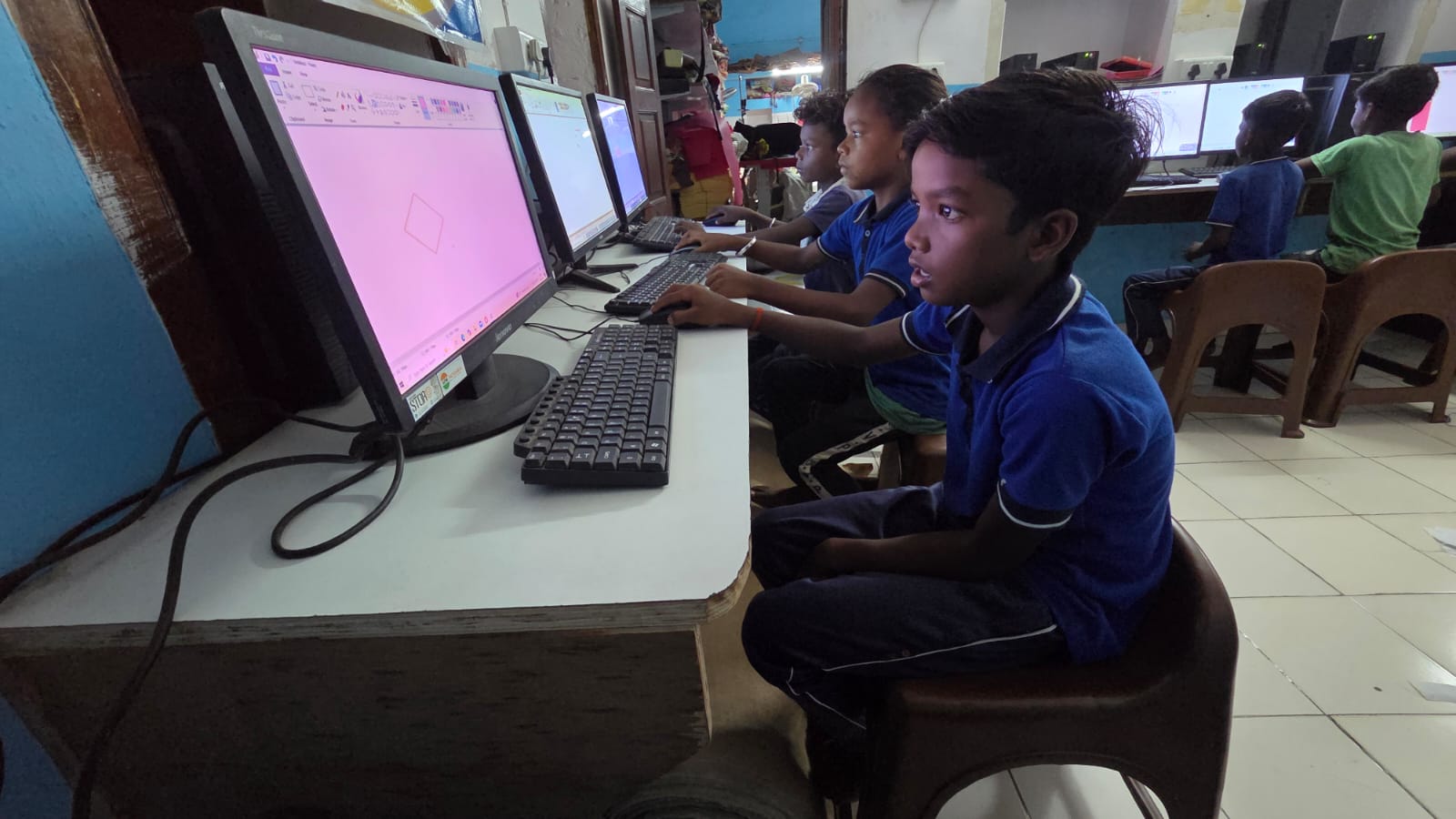
Good study tools reduce friction. When your child doesn’t have to waste energy on technical problems, they can focus on learning. The Apna PC comes pre-loaded with Apni Prerna, which helps monitor study patterns without being intrusive. It also includes Scratch for creative coding and LibreOffice for project work.
When to Seek Professional Help
If your child’s burnout symptoms last more than two weeks, talk to a counsellor. Many schools have counsellors. Your paediatrician can also refer you to a mental health professional. There’s no shame in seeking help. In fact, it’s the smartest thing you can do.
Building a Sustainable Study Life
Your child’s education is a marathon, not a sprint. Burnout happens when we treat it like a sprint. Help your child build sustainable habits. Study for 45 minutes, then take a 15-minute break. Eat healthy meals. Sleep 8 hours. Exercise. These aren’t distractions from studying. They’re the foundation for studying well.