

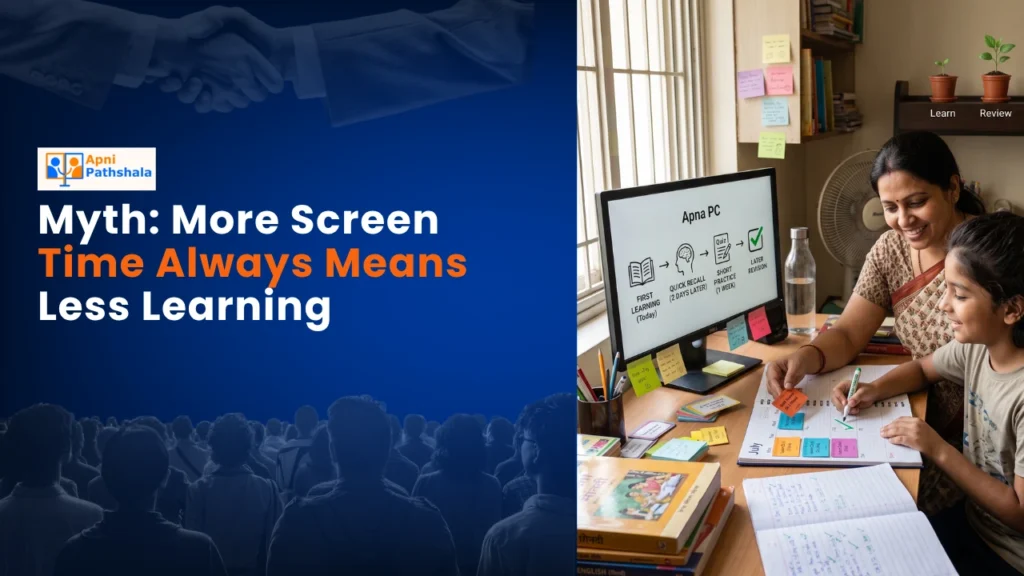
No, more screen time does not always mean less learning. What matters is what your child does on the screen: passive watching and scrolling does little for learning, while coding, writing and solving problems on a computer actively builds skills. Quality and purpose matter far more than the number of minutes.
For example, a parent watching a child sit for hours at a slow, rattling old laptop during online classes may assume the screen is the problem. Often the real issue is the kind of activity, and the device itself.
Is screen time really the enemy of learning?
Not by itself. The myth comes from treating all screen use as the same, when passive consumption and active use are very different.
Compare two evenings. In one, a child watches YouTube videos for two hours. In the other, the child spends 90 minutes learning to code in Scratch, then 30 minutes on maths problems. Both involve screens, but the learning is completely different. Our guide on passive and active screen time explains the difference.
The government’s Digital India initiative treats digital literacy as essential. Your child needs to understand information technology for school and career, and learning to use screens wisely helps far more than avoiding them.
What does a child learn from purposeful screen use?
Problem-solving, logical thinking and creativity. Children also learn patience, persistence and how to break complex tasks into smaller steps.
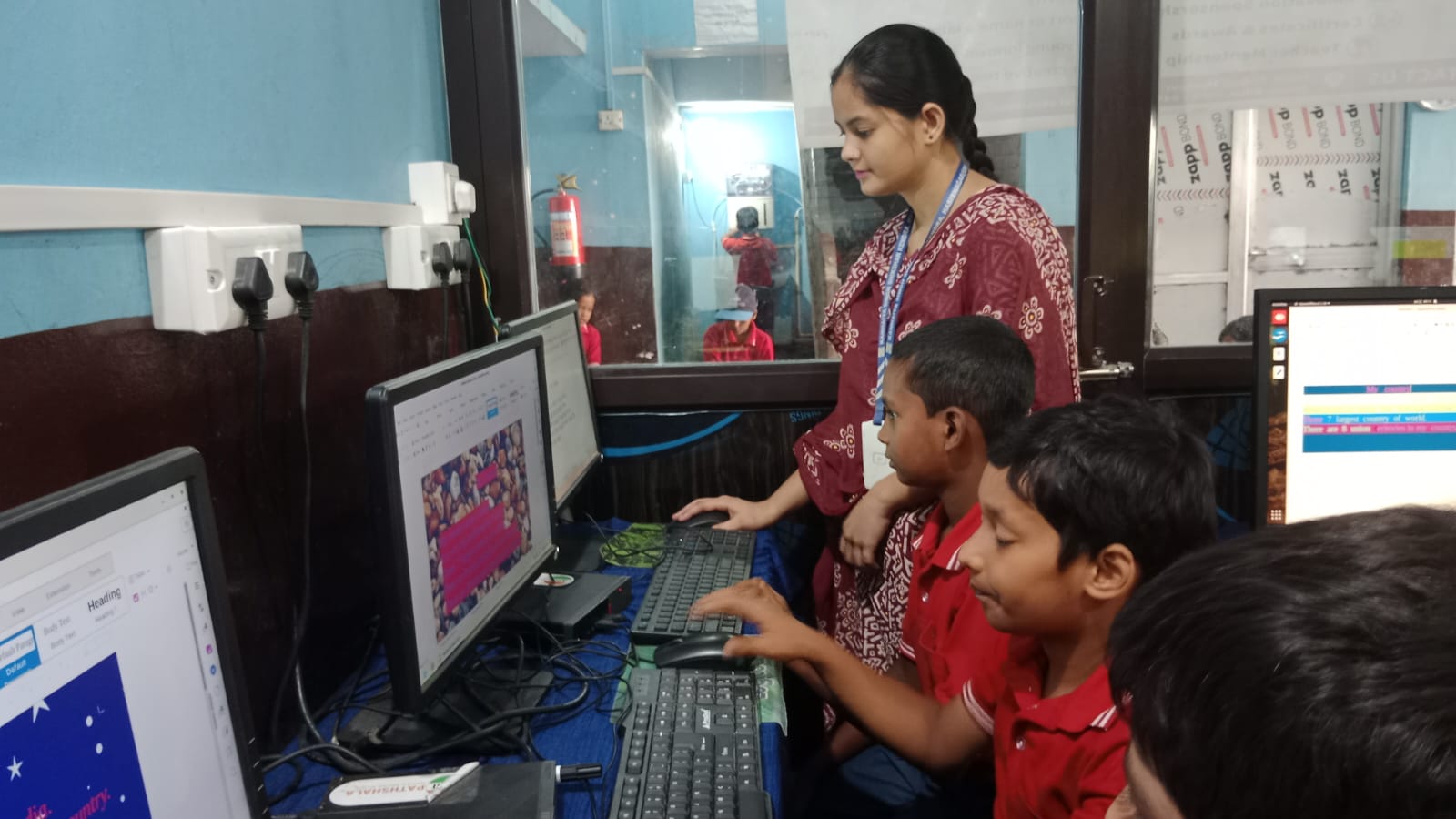
- Coding and programming: teaches your child to break problems into steps
- Digital creation: presentations, documents and videos build communication skills
- Interactive learning: simulations and educational games make abstract ideas concrete
- Self-paced progress: your child learns at their own speed
- Instant feedback: educational tools show right and wrong answers straight away
The key is focus. A device loaded with educational software, without games or social media, turns digital time into learning time.
Why does the device matter so much?
Because a cluttered, slow device creates stress and distraction. An old family laptop with dozens of programs and constant notifications pulls your child’s attention in many directions and makes technology feel frustrating.
Apna PC is built for learning. It comes pre-loaded with Zorin OS, Scratch for coding, LibreOffice for documents and Apni Prerna for student monitoring, and it removes distractions. The 8GB RAM and 128GB SSD mean no lag and no waiting, so your child can focus on the work.
How does the right device change a child’s view of technology?
Children start to see the computer as a tool for creating, not just for entertainment. When your child uses a device designed for independent learning, they shift from passive viewing to creating, solving and discovering.
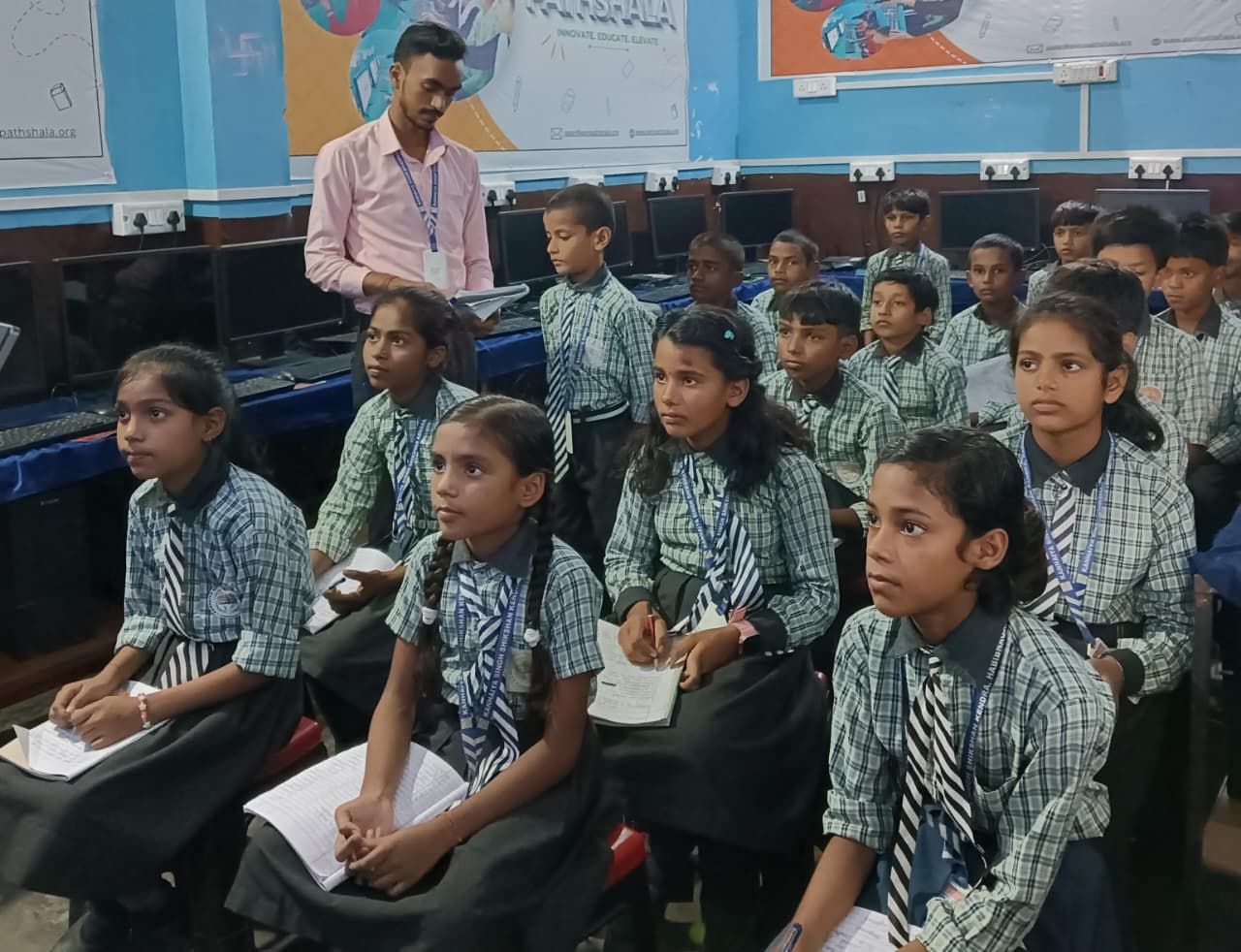
That experience builds confidence and real digital literacy.
What questions should parents ask instead of counting minutes?
Ask whether the screen time is active and purposeful. Parents in Tier 2 and Tier 3 cities often worry based on headlines, but the picture is more nuanced than “screens are bad.”
- Is my child creating or consuming?
- Are they solving problems or just watching?
- Is the device helping them focus or constantly distracting them?
Read why parents should look at digital output, not just screen time.
Why does the screen time myth persist?
Because it is simpler than the truth. The truth asks you to think about quality, purpose and the right tools.
When you do, your child’s relationship with technology changes, and they become active creators rather than passive consumers.
Frequently Asked Questions
How can I tell if my child’s screen time is educational?
Look at what they produce. If your child can show you code they wrote, a document they typed or problems they solved, the time was active and educational. If there is only viewing history and nothing created, the time was mostly passive entertainment.
Should I still set screen time limits for learning?
Yes. Even good screen time needs balance with sleep, outdoor play, reading and family time. Set clear study slots, keep entertainment separate from learning time, and adjust limits based on what your child actually does during those hours, not only on the clock.
Are online classes bad for my child’s learning?
Online classes are not bad in themselves, but a slow or distracting device can make them tiring and frustrating. A reliable computer, a quiet study spot and active follow-up work, such as notes and practice problems, help your child get much more from each class.
Your child needs digital skills, and the real question is whether their screen time teaches them something. Apna PC at Rs.30,000 (shipping and GST excluded) provides the right environment. Visit Apna PC to learn more.