

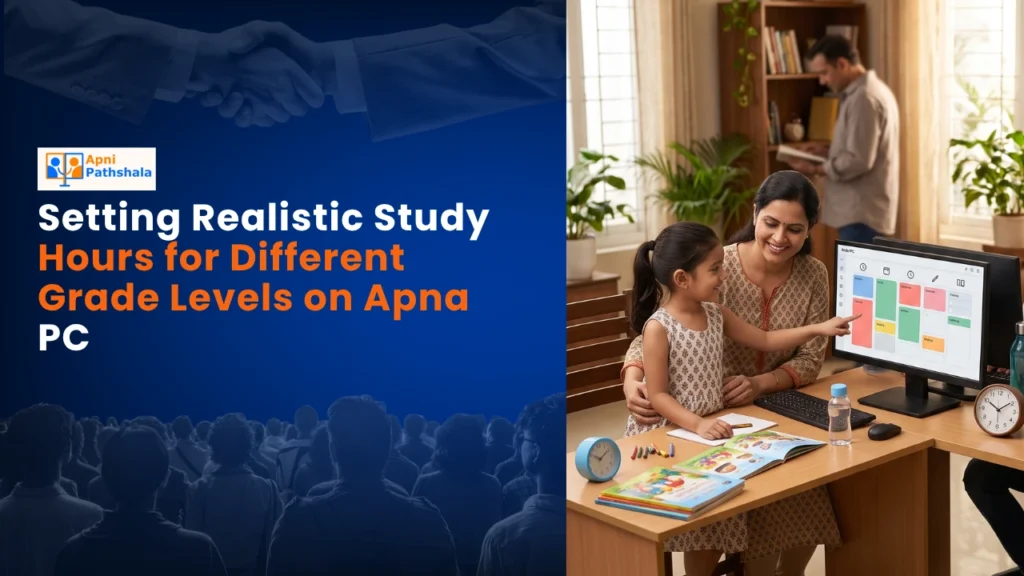
Every parent wonders: how many hours should my child study each day? The answer depends on their grade level, learning style, and school workload. What works for a Class 5 student won’t suit a Class 10 board exam candidate. This guide helps you set realistic study hours for your child while balancing academics with rest, play, and screen time on affordable tools like Apna PC.
Why Study Hours Matter for Student Success
Quality study time directly impacts academic performance, retention, and confidence. However, more hours don’t always mean better results. A Class 3 child studying for 4 hours daily will burn out; a Class 12 student needs focused preparation for competitive exams.
The right framework prevents stress, builds consistent learning habits, and helps your child use devices like Apna PC efficiently. When study hours are realistic, children stay motivated, and parents see tangible progress.
Recommended Study Hours by Grade Level
Classes 1-3: Building Foundations (1-1.5 Hours Daily)
Young learners need short, playful study sessions. One to one and a half hours daily is ideal for Classes 1-3. Break this into 20-30 minute blocks with 10-minute breaks. Focus on phonics, basic math, and reading comprehension rather than heavy textbooks.
Classes 4-6: Increasing Focus (1.5-2 Hours Daily)
As the number of subjects expands, study time should increase gradually. Allocate 1.5 to 2 hours for Classes 4-6. Include time for homework, revision, and one new concept daily. This is when Apna PC becomes valuable, enabling access to educational videos and interactive learning platforms.
Classes 7-9: Deepening Knowledge (2-2.5 Hours Daily)
Middle school introduces complex subjects like algebra and science practicals. Two to two and a half hours daily help students build strong foundations. Dedicate 30 minutes per subject, rotating focus to prevent monotony.
Classes 10-12: Exam Preparation (3-4 Hours Daily)
Board exams and competitive entrance tests demand intensive preparation. Students in Classes 10-12 should aim for 3 to 4 hours of focused study daily, split between school lessons, revision, and practice tests. During exam seasons, this may extend to 5 hours with proper breaks.
Creating a Realistic Study Schedule
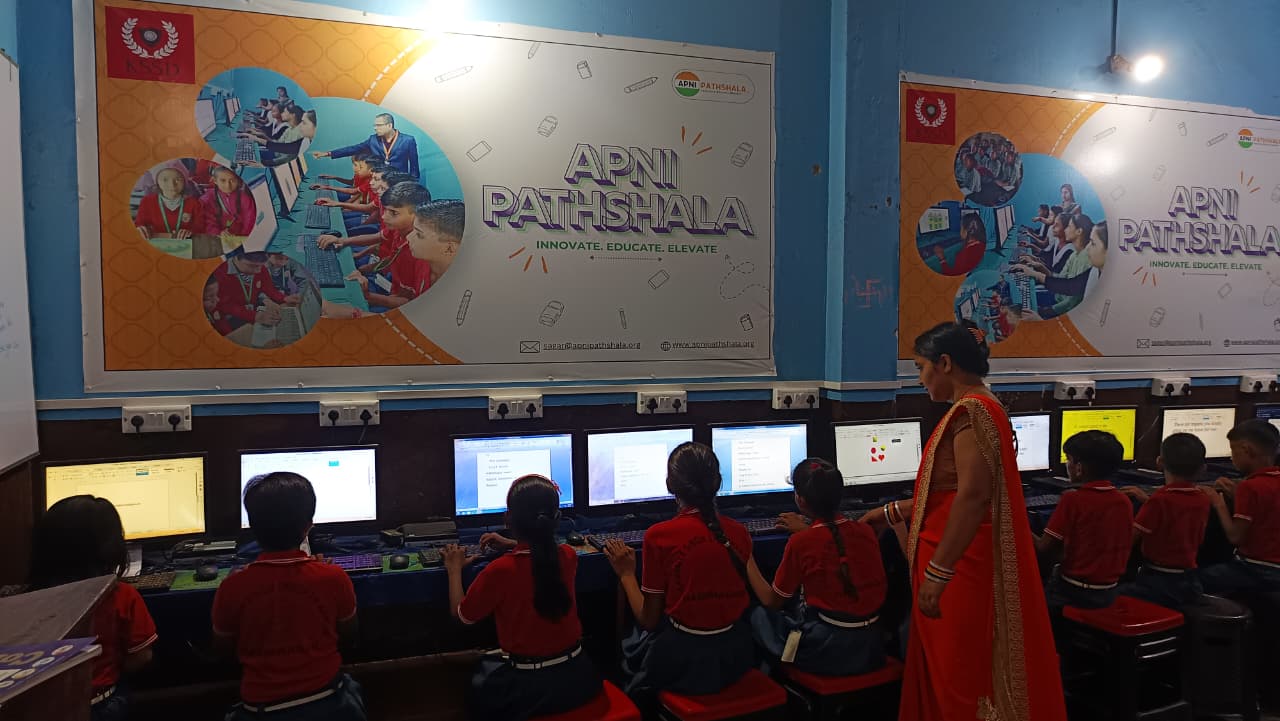
Study hours are only effective when structured. A realistic schedule respects your child’s energy levels, school timings, and extracurriculars. Most children focus best between 6-8 AM and 4-6 PM.
Start by getting your child to follow a study schedule. Consistency builds discipline faster than cramming. If your child studies at the same time each day, their brain automatically prepares.
Balancing Study Time with Other Activities
Study hours should never consume your child’s entire day. The 24-hour breakdown should look like: 8 hours sleep, 6-7 hours school, 3-4 hours of focused study, and 5-6 hours for meals, play, hobbies, and family time.
Physical activity, creative pursuits, and social interaction are as important as study time. A child who plays for an hour studies better than one glued to books all day. This balance prevents burnout and keeps learning enjoyable.
Tools to Make Study Time More Effective
Quality study time depends partly on resources. Apna PC, priced at just Rs. 21,000, provides affordable access to educational websites, e-books, and online tutoring platforms. With a reliable computer, your child can use study hours more productively.
Invest in a distraction-free study space. Remove phones and social media during study hours. Use productivity apps that track focus time and remind your child to take breaks.
Adjusting Study Hours During Exams and Holidays

Study hours aren’t fixed year-round. During board exams or competitive test preparation, increase them by 1-2 hours daily. However, maintain breaks every 45-50 minutes to sustain concentration.
During holidays, reduce study time but don’t stop completely. Two hours of revision daily maintains learning momentum without stressing your child. This prevents the “holiday forgetting” effect when school resumes.
Warning Signs Your Child’s Study Hours Are Unrealistic
Watch for burnout signals: declining grades despite more time at the desk, sleep deprivation, anxiety, or loss of interest in learning. These indicate your target is too ambitious. Scale back and prioritise quality over quantity.
If your child completes homework in 30 minutes but you’ve allocated 2 hours, don’t force busywork. Let them pursue interests or rest instead.
Monitoring Progress Without Pressure
Track your child’s performance monthly. Is their study time translating to better grades? Is focus improving? Adjust hours based on results, not assumptions. Some children excel with 2 hours; others need 3.
Personalisation matters more than rigid rules.
Personalisation matters more than rigid rules.
Also, set realistic expectations for your child. Not every student aims for 95%. Improvement from 60% to 75% with consistent effort is genuine progress.
Support from Educational Resources
According to Education in India, the Indian school system emphasises continuous learning beyond classroom hours. The Ministry of Education, India, recommends a balanced approach to academics alongside personality development.
Visit apnapc.com to learn more about affordable computers designed to support your child’s academic journey. Apna PC makes quality education accessible to every Indian student.