


After a few weeks on a dedicated study computer, most children start studying at the same time each day, stay focused for longer stretches and keep their notes better organised. The change comes from removing friction: no slow software, no distracting apps and a device the child links with focused work.
For example, a child who flips between textbooks and loses focus quickly in the evenings may settle into a steadier routine within weeks of using a computer set up only for learning.
How do study habits shift in the first few weeks?
Habits shift because the device itself supports focus. Apna PC comes preloaded with Apni Prerna, a student monitoring system that helps children structure a learning routine without feeling watched. It is guidance, not surveillance.
In the first week, many children stop wandering between YouTube and homework. The Zorin OS interface is clean and distraction-free, and with 8GB RAM and 128GB SSD, everything loads quickly, so there is less frustration and quitting.
What changes do parents usually notice by week two?
By the second week, the first real changes often show up. Common signs include:
- Consistent timing: your child begins sitting down at the same time each day, almost automatically.
- Longer focus periods: short, scattered study bursts start growing into longer sessions.
- Better organisation: LibreOffice helps them structure notes and assignments properly.
- Creative engagement: Scratch makes learning feel like play, not punishment.
Some children start building small games in Scratch based on their maths lessons, and curiosity turns into real interest in logic and problem-solving.
How does a learning routine take shape?
A routine develops when the right tools are available, not when it is forced. Your child begins to see the device as a place for focused work rather than entertainment.
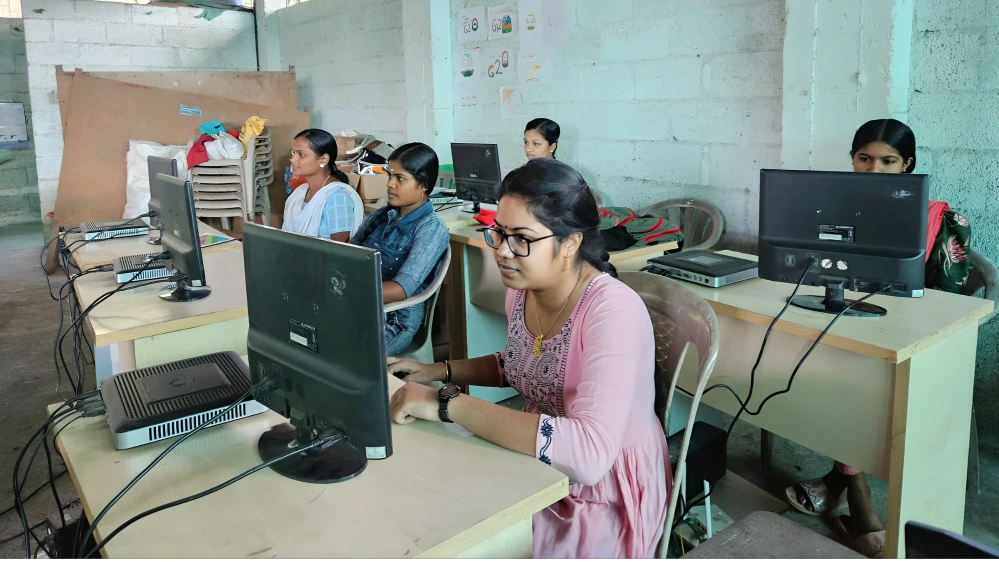
The pre-loaded educational software means no time is wasted searching for learning resources. Within a few weeks, some children start making their own study schedules, blocking time for different subjects and sticking to it.
This is what happens when you remove friction. For more on these small changes, read about the small habits a study computer builds.
How can parents see their child’s progress?
Apni Prerna gives real feedback. Many parents in Tier 2 and Tier 3 cities struggle to know whether their child is truly making progress.
You can see which subjects your child spends time on, how long they actually study and where they get stuck. This shows learning patterns more clearly than a report card alone.
It also changes the conversation. Instead of asking “Did you study?”, you can ask “I noticed you spent 45 minutes on science today. What part are you finding tricky?” Students also use Apna PC for school projects, which gives you more of their work to talk about.
Do these study habits help with competitive exams too?
Yes. If your child is preparing for scholarship exams and olympiads, steady habits on a reliable computer are a real advantage.
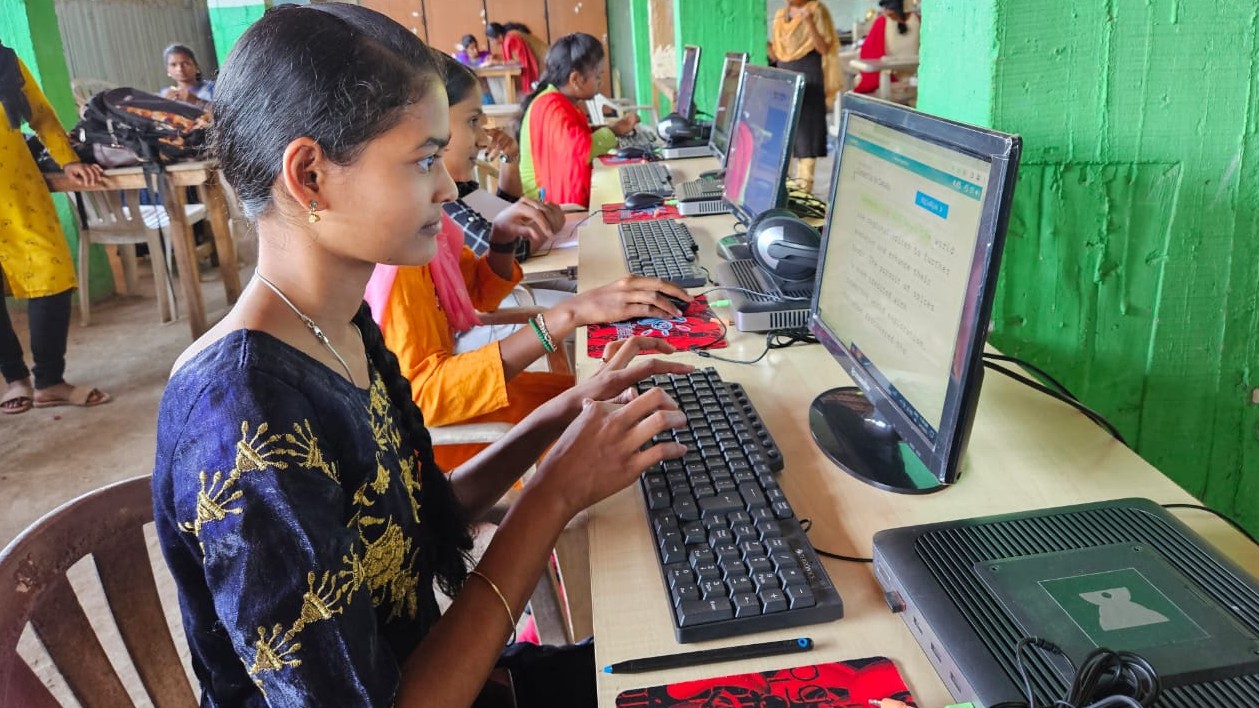
Your child can practise mock tests without worrying about crashes or lag. The 128GB SSD stores years’ worth of practice material, and the 8GB RAM handles several tabs and resources together. The India Ministry of Education and UNESCO education websites are useful background on digital learning in schools.
What should parents realistically expect?
Do not expect changes overnight. After two to three weeks, though, many parents notice their child’s relationship with studying has shifted: more organised, more focused and more interested.
These habits tend to last because they rest on consistency and real engagement, not forced discipline. If you are wondering whether an educational computer is worth it at Rs. 30,000, look at how your child studies now and what friction a dedicated device would remove. See also how to tell if your child is really studying.
Frequently Asked Questions
What if my child’s study habits do not improve after a few weeks?
Look at the routine before blaming the device. Check whether study time is fixed, whether the phone is nearby and whether tasks are clear. Sit with your child to plan the next week together. Some children need more time, and small steady changes still count as progress.
Should I set my child’s study schedule or let them make it?
Start by setting it together, then hand over more control as your child shows they can stick to it. Children follow schedules better when they help make them. Keep a few fixed rules, like schoolwork first, and let them choose the order of subjects.
How often should I check my child’s study reports?
A short look most evenings works well in the first weeks, then a weekly review once the routine settles. Use the reports to start conversations, not to scold. Asking about a subject they spent time on shows interest and helps you spot where they need support.
Give your child a device built for Indian students and watch their study habits settle. Visit Apna PC to learn more.