

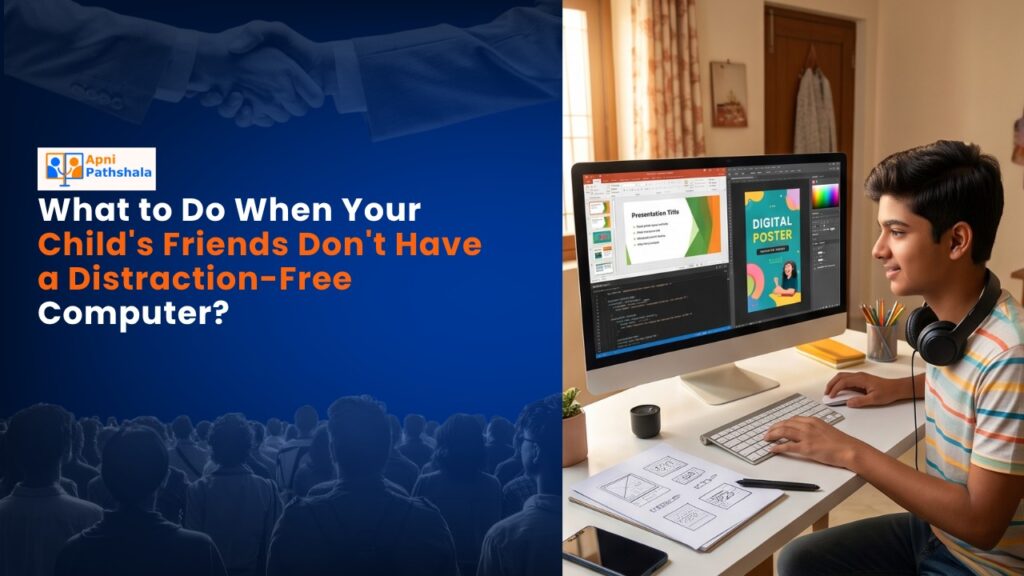
When Your Child’s Friends Don’t Have a Distraction-Free Computer
Rahul’s mother sat across from him at the kitchen table, watching his face fall as he explained the problem. His best friend Arjun had just gotten a new laptop for his 10th grade studies, but it came loaded with games, YouTube, and social media apps. When Rahul tried to study with Arjun over video call, his friend kept getting distracted. Within minutes, Arjun would minimise the study materials to check his notifications. Rahul’s grades weren’t suffering yet, but his mother could see the pattern forming. She realised that surrounding her son with friends who had a distraction-free computer would be nearly impossible in their Tier 2 city. So she started asking herself a different question: what could she do instead?
This is the reality for many Indian parents today. You want your child to succeed academically, but peer influence is powerful. When your child’s friends don’t have a focused study computer, it creates a ripple effect. Your child sees them struggling, notices their lower focus, and sometimes feels left behind or different. The pressure to “fit in” with what everyone else has can be real.
Why a Distraction-Free Computer Matters More Than You Think
A personal computer isn’t just a tool anymore. It’s where your child learns, researches, and prepares for exams. But a regular computer comes with a hidden cost: your child’s attention. Studies show that students who study on devices with notifications, games, and entertainment apps take 40% longer to complete the same work. They retain less information and feel more stressed.
A study-friendly PC is different. It’s designed specifically for learning. The operating system, the pre-loaded software, and the hardware all work together to keep your child focused. There’s no temptation to switch tabs. There’s no notification pinging in the corner. Your child sits down, and the computer says one thing clearly: “Let’s learn.”
When you choose a focused computer for your child, you’re not just buying hardware. You’re creating an environment. You’re setting boundaries that your child will actually respect because the computer itself enforces them. And here’s what many parents don’t realise: your child’s friends will notice. They’ll see your child’s focused study habits. They might even ask questions about it.
The Apna PC Solution for Indian Families
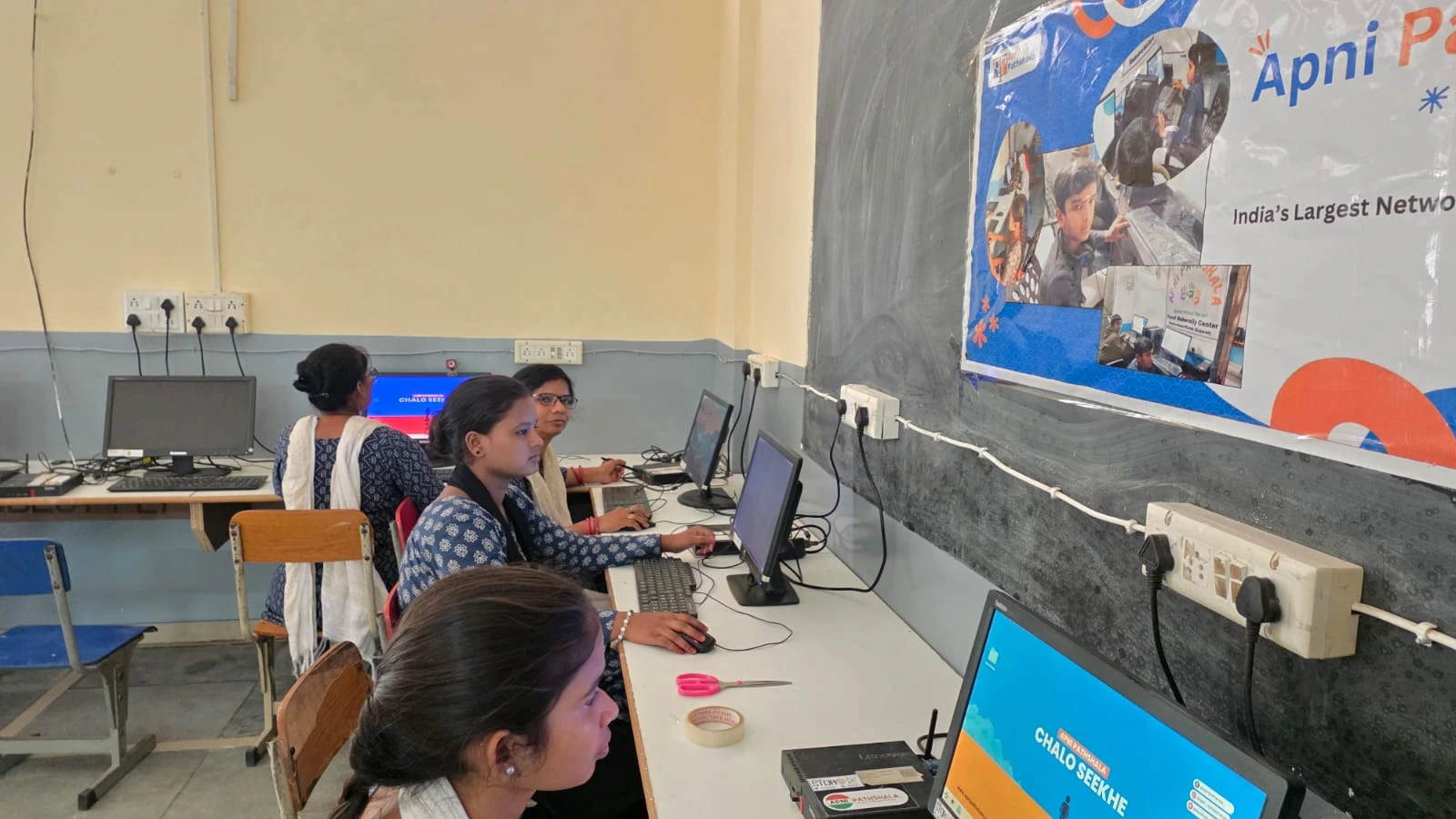
Apna PC is built for exactly this situation. Created by Apni Pathshala, it’s an educational computer specifically designed for Indian students. At just Rs. 30,000 (before shipping and GST), it’s affordable for families in Tier-2 and Tier-3 cities. But affordability isn’t what makes it special. The focus is.
Here’s what comes with your Apna PC. The operating system is Zorin OS, which is clean, fast, and built for productivity. Pre-loaded apps include LibreOffice for documents and spreadsheets, Scratch for coding, and Apni Prerna for student monitoring. The hardware is solid: 8GB RAM and 128GB SSD mean your child won’t experience lag during study sessions. Everything is configured to support learning, not distract from it.
The real power is in what’s missing. There’s no Chrome with 50 open tabs. There’s no gaming library. There are no social media shortcuts. Your child opens the computer and sees study tools. That’s it. That’s the whole point.
What You Can Do Right Now
You don’t have to wait for all your child’s friends to make the same choice. You can start today by creating a focused study environment at home. Here’s what works:
- Set a clear study zone. This could be a desk, a corner of the living room, or a quiet spot. The key is consistency. Your child should know that this space is for learning.
- Use a distraction-free computer. Whether it’s Apna PC or another focused device, having the right tool makes a real difference. Check our parental control software comparison to understand why a dedicated educational computer beats generic parental controls.
- Establish study rituals. Same time, same place, same computer. Your child’s brain will start to associate these elements with focus and productivity.
- Involve your child in the decision. Don’t just impose a study-friendly PC on them. Explain why you’re choosing it. Show them how it works. Let them experience the difference in how they feel when they study on a focused device versus a regular laptop.
Your Child Can Be the Example
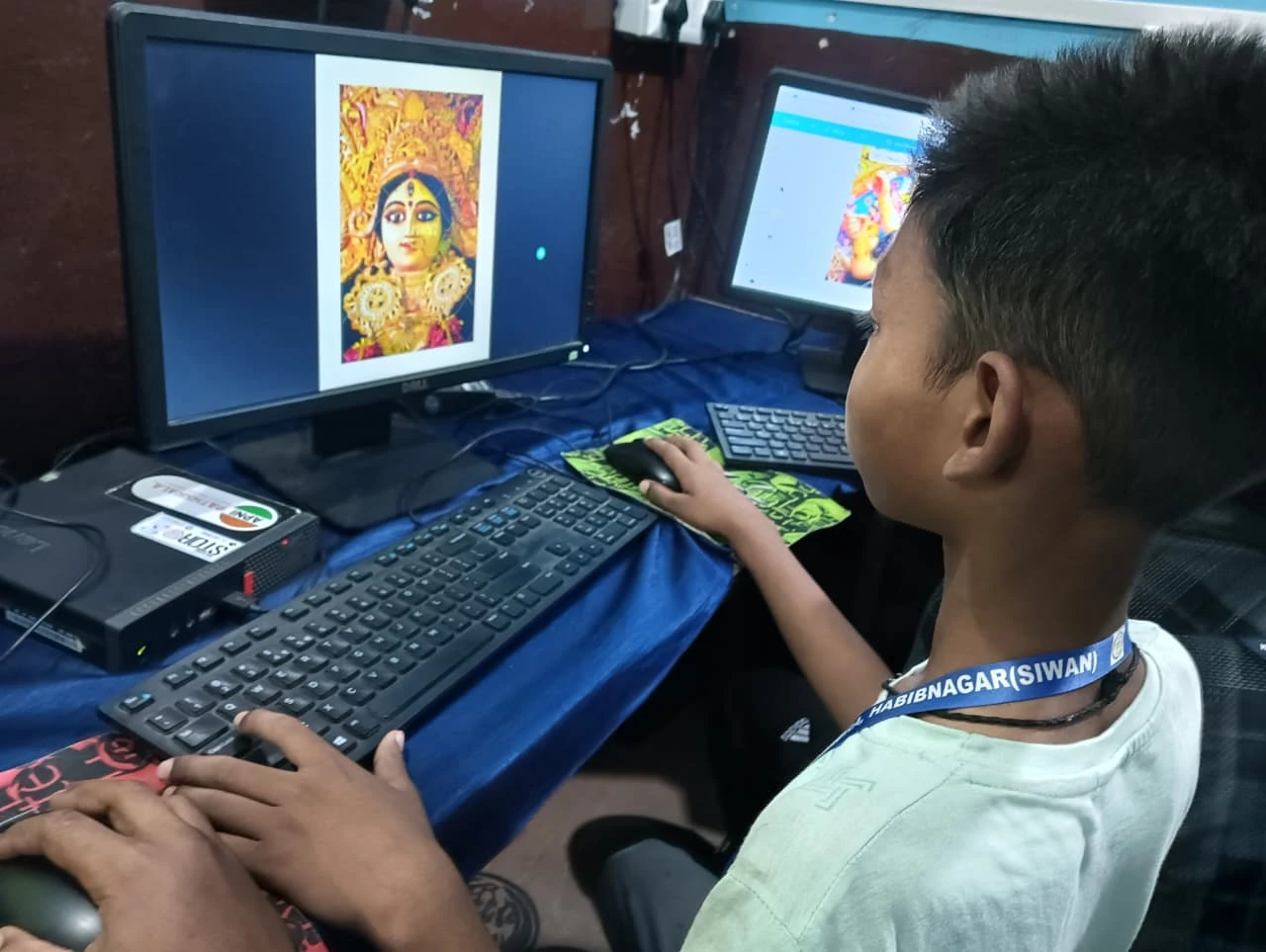
Here’s something that often surprises parents: when one child has a distraction-free computer and sees real results, other children notice. Better grades. Less stress during study time. Faster homework completion. These results speak louder than any explanation you could give.
Your child might become the friend who gets things done. The one whose parents “get it.” The one who isn’t constantly distracted. That’s not a burden. That’s a superpower in today’s world. And it starts with having the right tools. Learn more about how computer-based learning transforms student outcomes across the year.
India’s Digital India initiative is pushing technology into every classroom and home. But not all technology serves your child’s education equally. The question isn’t whether your child should use a computer. The question is what kind of computer will truly support their growth.
You can’t control what devices your child’s friends have. But you can control what’s in your home. You can create a space where focus is possible, where learning feels natural, and where your child develops the concentration skills they’ll need for life. Visit apnapc.com to learn more.