

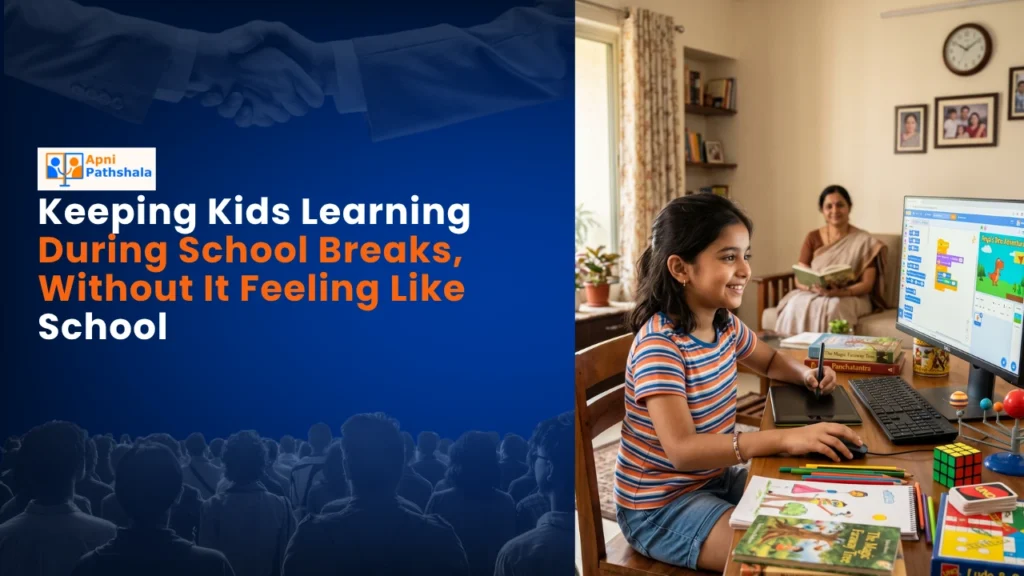
When Priya’s Summer Turned Into Unexpected Learning
Priya sat in her Lucknow home last June, watching her two kids fight over the TV remote for the third time that week. School had just ended, and she’d already heard “I’m bored” at least fifty times. Like many Indian parents, Priya worried that two months of summer break meant two months of wasted potential. But she also didn’t want to turn their holidays into a stressful classroom experience. She wanted summer learning that felt like fun, not punishment.
If you’re in Priya’s shoes right now, you’re not alone. Millions of parents across Tier 2 and Tier 3 cities face the same challenge every school break. How do you keep your kids learning during summer vacation without it feeling like school? The answer isn’t about forcing textbooks or hiring expensive tutors. It’s about creating the right environment and tools that make learning feel like play.
Why Summer Learning Matters (But Doesn’t Need to Feel Like Work)
Research shows that students lose about 2-3 months of learning progress during long school breaks if they don’t stay mentally active. That’s not a reason to panic or create a rigid summer schedule. Instead, it’s a reason to think differently about how your child learns during these precious months.
Summer break is actually the perfect time for a different kind of learning. Your kids can explore topics they’re curious about without the pressure of exams. They can learn at their own pace. They can mix education with play, creativity with problem-solving. This is where summer learning becomes powerful.
The key is making learning feel natural. When Arjun got interested in how video games work, Priya didn’t push him toward textbooks. Instead, she found him tools to code simple games. When Diya wanted to make videos of her drawings, Priya encouraged it. These weren’t “school activities.” They were interests that kept their minds sharp.
Holiday Learning Ideas That Actually Stick
Here are ways you can keep your child engaged during school breaks:
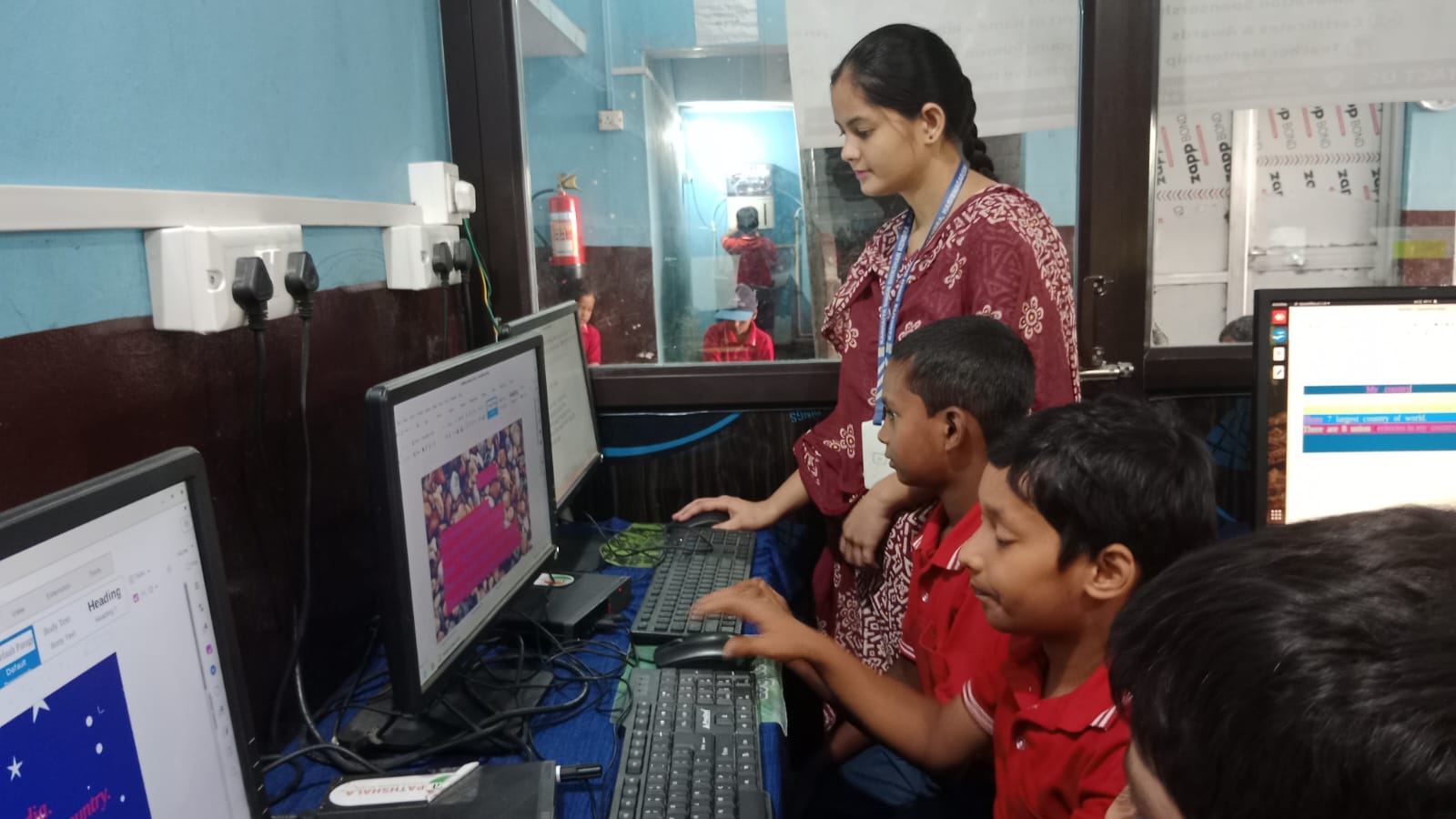
- Coding and creative projects. Websites and software like Scratch let kids create animations, games, and stories. It’s programming without feeling like programming.
- Documentary and educational videos. Platforms like DIKSHA digital learning platform offer free content in multiple languages. Your child can explore science, history, and culture on their own terms.
- Reading challenges. Not textbooks. Comic books, graphic novels, and stories in your child’s preferred language. The goal is to keep reading alive.
- Practical projects. Cooking, gardening, building things, or creating art. These teach math, science, and planning without feeling academic.
- Local exploration. Visit museums, libraries, or historical sites nearby. Ask your child questions. Let them discover answers.
The common thread? Your child is curious. Your job is to fuel that curiosity, not kill it with worksheets.
The Tool That Changed Priya’s Summer
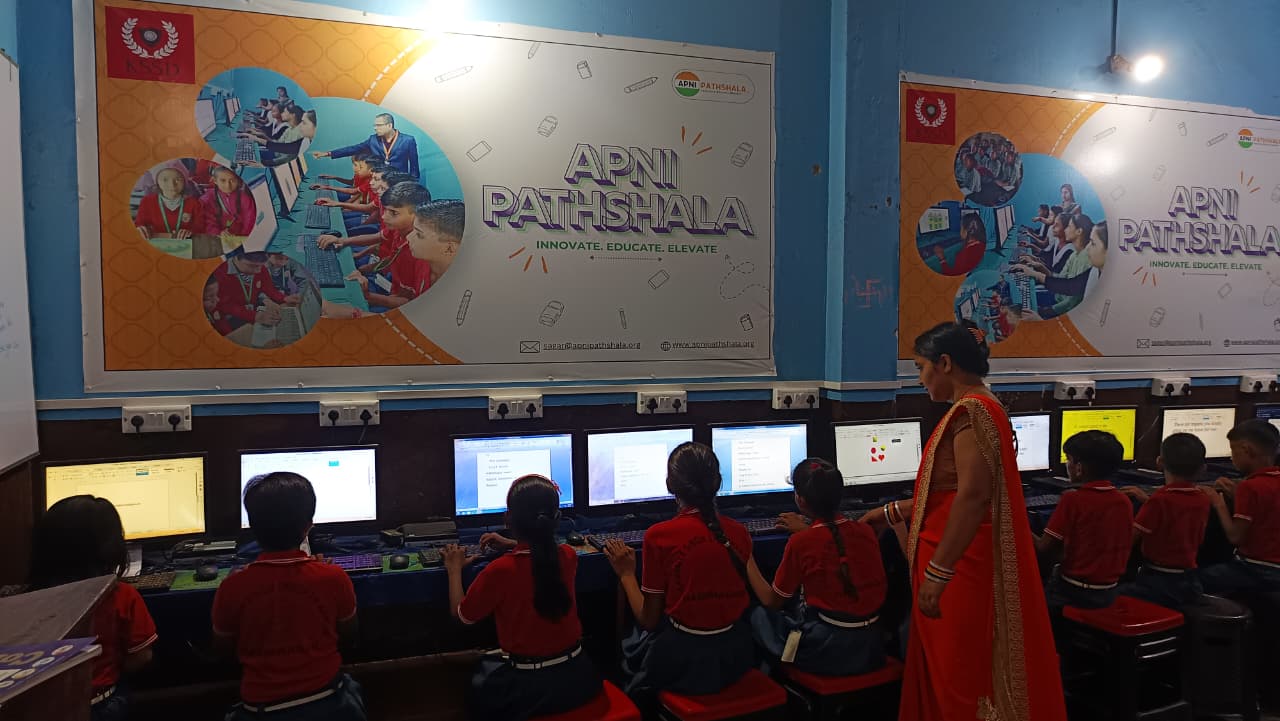
After a few weeks of trial and error, Priya invested in something that transformed her family’s summer. She got an Apna PC, an educational computer designed specifically for Indian families and students. It came pre-loaded with tools like Scratch for coding, LibreOffice for creating documents and presentations, and Zorin OS, a student-friendly operating system.
What made it different? It wasn’t just about having a computer. It was about having a computer built for learning. The Apna PC comes with 8GB RAM and 128GB SSD, meaning it runs smoothly even when your kids are multitasking. More importantly, it has Apni Prerna, a student monitoring system that lets parents track progress without being intrusive. At Rs.30,000 (excluding shipping and GST), it was an investment Priya could actually afford.
Suddenly, Arjun had a proper tool to code. Diya could create digital art and animations. Both kids could access educational content and learn at their own pace. And Priya could see what they were doing without hovering over their shoulders constantly. This is what computer-based learning throughout the year should look like.
Making Summer Learning Sustainable
The real magic happened when Priya stopped thinking of summer as “break time” and started thinking of it as “different learning time.” She didn’t create a rigid schedule. Instead, she set loose guidelines: one hour of creative projects, one hour of reading or documentaries, and the rest was free play.
By mid-July, she noticed something. Arjun was teaching himself Python basics. Diya was making stop-motion videos with her toys. Neither child was complaining about boredom. They weren’t just passing time. They were building skills and confidence in areas that interested them.
This is the power of an educational PC for student free time. It gives your child the tools to learn independently while you maintain gentle oversight. No stress. No forced academics. Just curiosity meeting opportunity.
Your Summer Learning Action Plan
Start small. You don’t need to overhaul your entire summer. Pick one thing your child is curious about. Find resources, free or paid, that match that interest. If your child likes technology, coding, or digital creation, an educational computer becomes invaluable.
Talk to your child about what they want to learn, not what you think they should learn. This shift in perspective changes everything. When kids feel ownership over their learning, they engage deeper and remember more.
Use free resources like Learning on Wikipedia to supplement your efforts. Combine these with hands-on activities, outdoor exploration, and creative projects. The mix keeps learning fresh and exciting.
And if you find your child gravitating toward technology, coding, or digital projects, invest in a proper tool. The Apna PC is built for exactly this purpose. It’s affordable, powerful, and designed with Indian students in mind.
Summer break doesn’t have to mean learning loss. With the right mindset and tools, it can be your child’s most creative, curious, and confident season yet. Visit apnapc.com to learn more.