

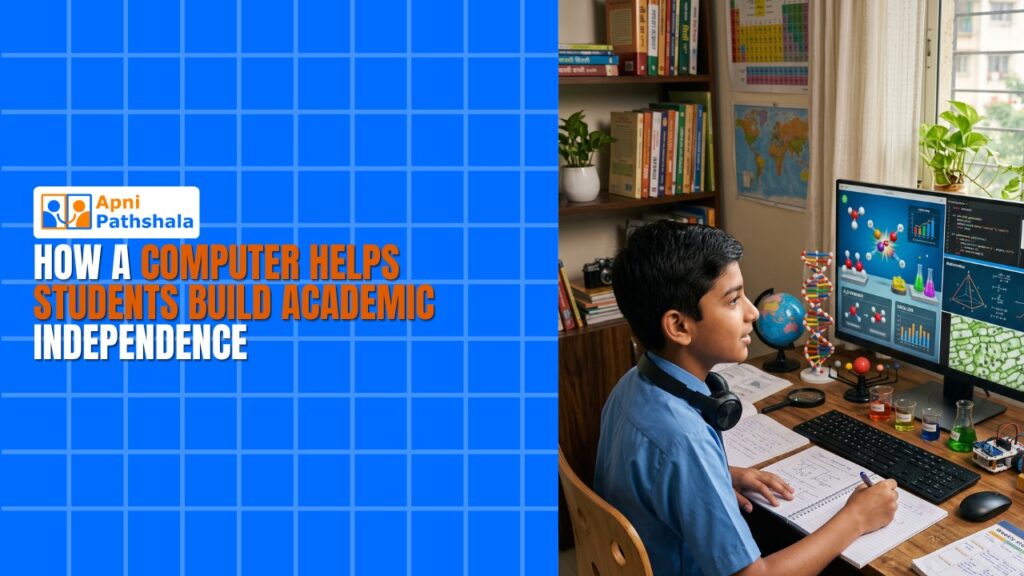
A computer builds academic independence by giving a student their own workspace, tools and routine to study without waiting for a tutor. With structured content, software to create work and the freedom to explore at their own pace, children learn to ask their own questions and solve problems before asking for help.
For example, a Class 9 student who attends tuition twice a week but forgets most of it before the next lesson is not lazy. They simply have not learned how to study on their own yet.
Why does academic independence matter for your child?
Academic independence means studying smarter, on your own terms and at your own pace. A student who learns independently takes responsibility, stops waiting for the next class and starts asking their own questions.
Students who build self-study habits tend to become problem-solvers rather than answer-seekers. The general background on learning is worth a read. In college and work, nobody repeats every lesson, so building this skill now, in Class 8 or 9, gives your child a real head start.
How does a computer become a learning partner?
The right computer, loaded with the right software, gives your child structured content, tools to create and the freedom to explore subjects. It is far more than a device for games and videos.
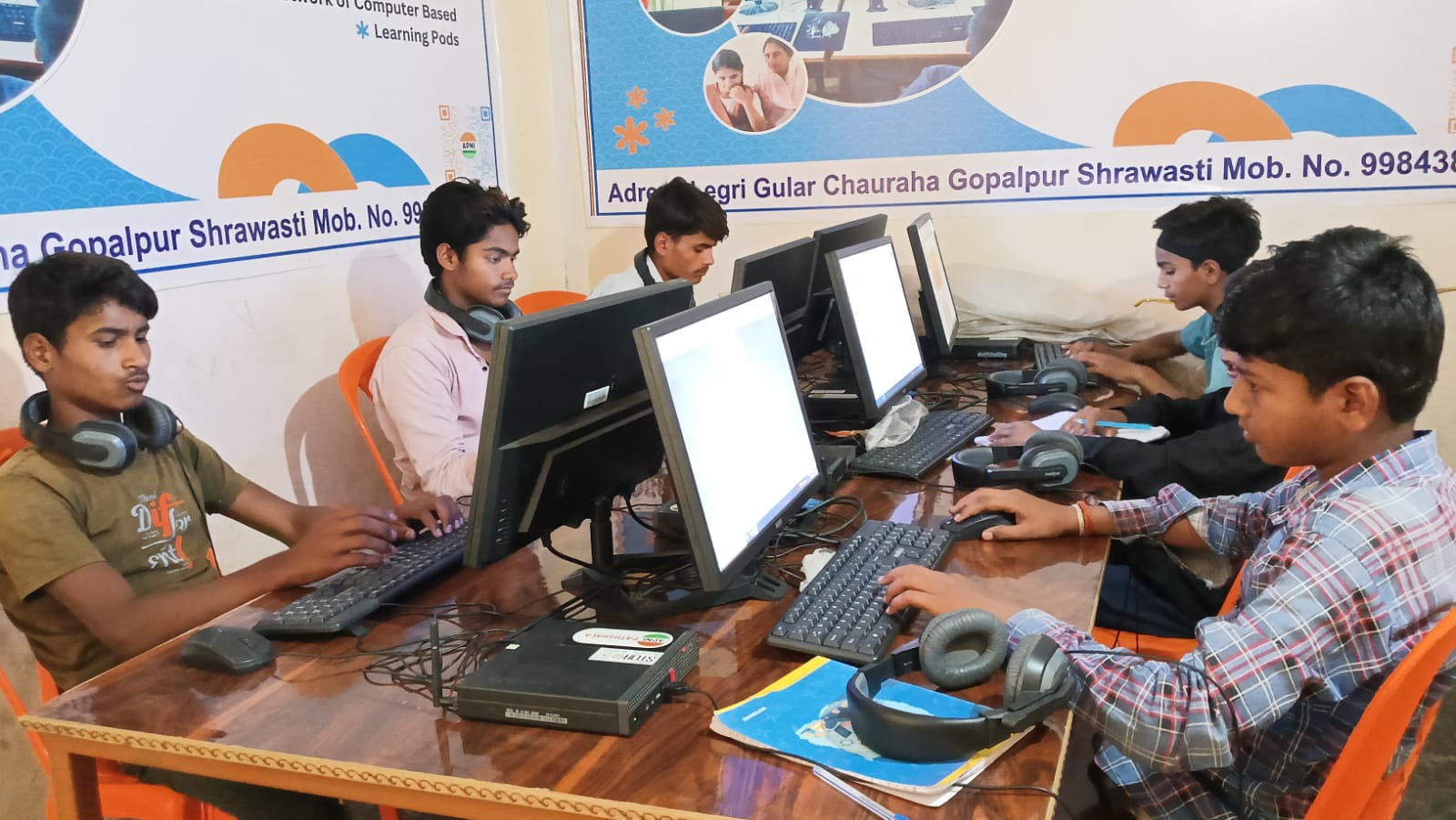
Apna PC is designed for this. It runs Zorin OS, a clean, distraction-free operating system, with:
- LibreOffice for documents and presentations
- Scratch for learning coding through visual blocks
- Space to practise maths problems, write essays and build projects
Most importantly, a computer of their own gives your child a workspace and a routine. They are not borrowing your phone or waiting for your laptop. Read more on how a personal device builds discipline.
How do you build self-study habits that last?
Start small and grow the habit over time, like brushing teeth. Self-study is not learned overnight.
Your child might begin with 30 minutes a day solving problems on the DIKSHA digital learning platform, move to 45 minutes, and soon start a project on their own.
Apna PC includes Apni Prerna, a student monitoring tool that lets you see which topics your child studies, how much time they spend and where they need help, without hovering. You stay informed while your child gets freedom, so the computer becomes a bridge between independence and healthy guidance.
Is a study computer worth the cost compared with tuition?
For many families, yes, because it is a one-time cost while tuition repeats every month. Most families in tier-2 cities spend Rs. 3,000 to Rs. 5,000 monthly on coaching, which is Rs. 36,000 to Rs. 60,000 per year.
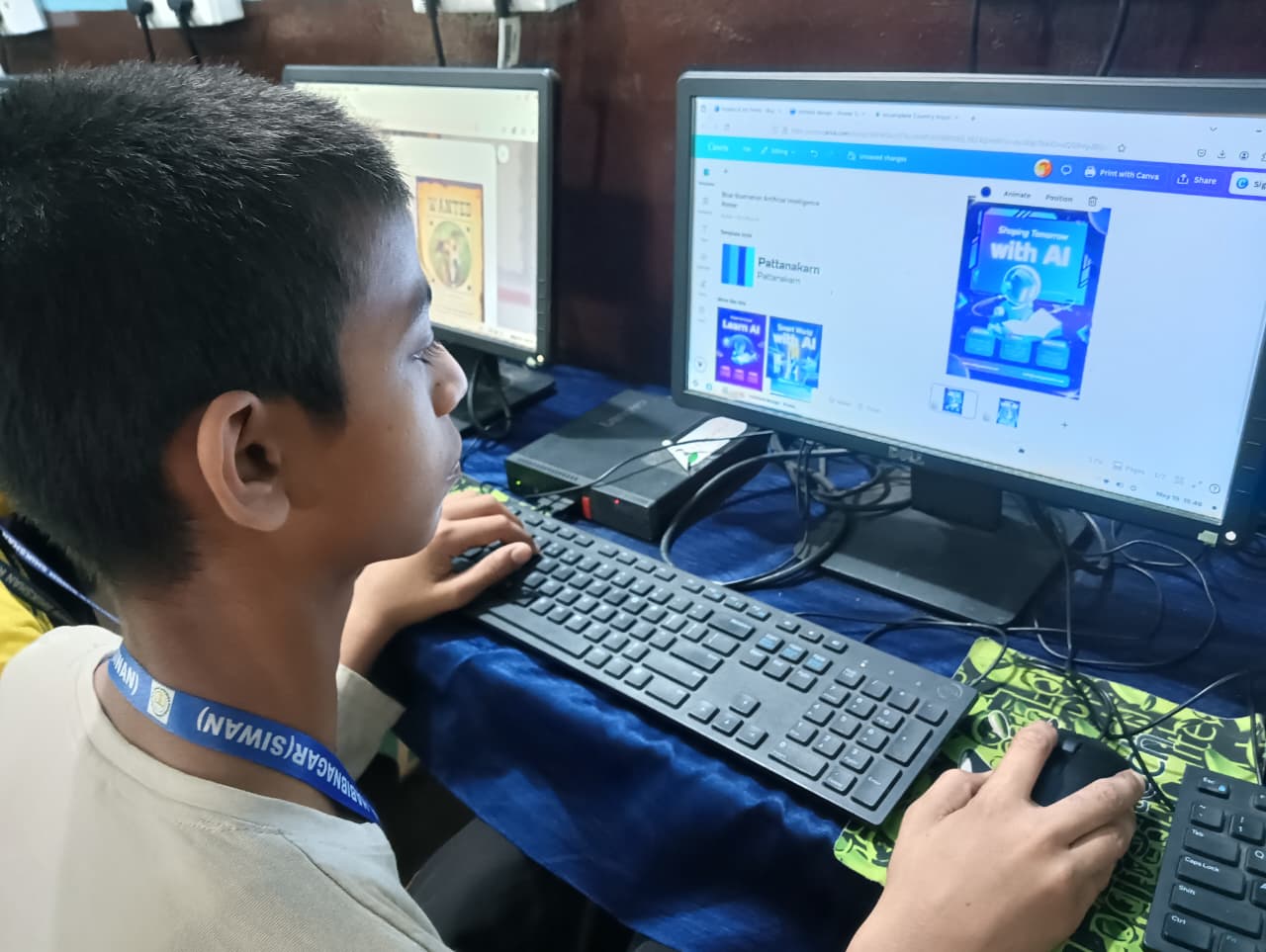
Apna PC costs Rs. 30,000 one-time, with 8GB RAM and 128GB SSD for running documents, educational videos and coding smoothly. The software is pre-loaded, so there are no extra licence or subscription costs. Some families still use tuition, but a computer helps a child depend less on tutors. Compare the two approaches in self-learning vs coaching.
What should parents expect as their child becomes independent?
Expect a slow start, then steady progress. At first your child may feel lost and want help immediately; this is normal, so be patient.
Start with subjects they enjoy, let them explore and celebrate small wins. Over the following weeks, you will often see smarter questions, more problems solved before asking for help and pride in their own work, and that confidence spreads to other subjects.
What does academic independence look like?
It looks like your child taking ownership of their learning, not perfection. They use the right learning tool for self-paced study, build self-discipline and think through problems independently. The computer provides the tool, you provide the support, and your child provides the effort.
Frequently Asked Questions
At what age can a child start studying independently?
Many children can start building self-study habits in middle school, around Class 8 or 9, with support. Begin with short sessions on subjects they enjoy and increase gradually. Independence grows through practice, so the earlier the routine starts, the more natural it feels by board exam years.
Will my child stop needing tuition completely?
Not necessarily. Some children still benefit from help with difficult subjects. The aim is to reduce dependence, so your child can revise, practise and explore between classes on their own. A computer with study tools makes those independent sessions productive instead of waiting for the next lesson.
How can I check my child’s progress without hovering?
Use a monitoring tool such as Apni Prerna on Apna PC. It shows which topics your child studied, how much time they spent and where they need help. You can review it briefly each day or week and step in only where support is actually needed.
If you want a study computer that helps your child learn on their own, visit Apna PC to learn more.