

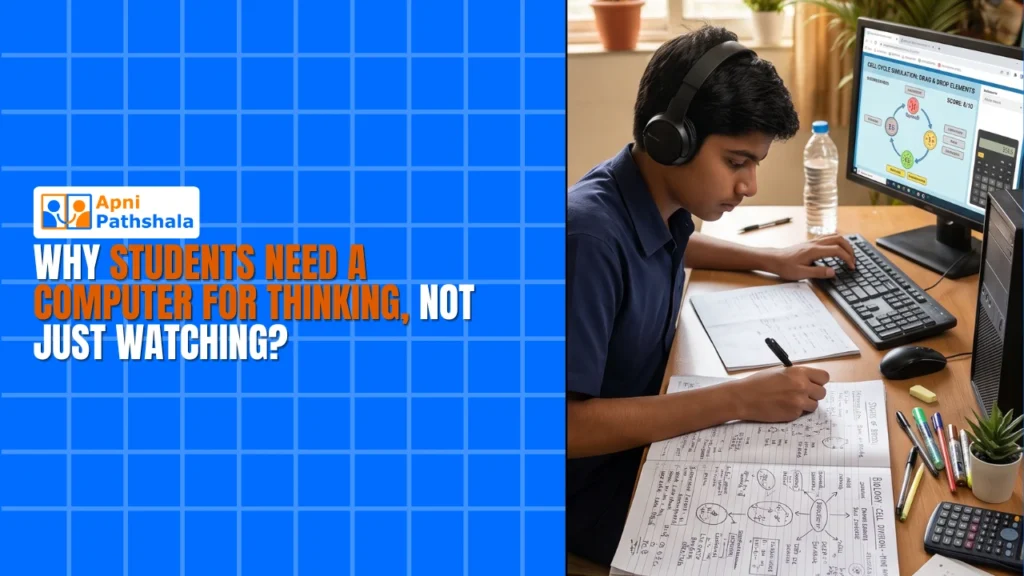
Rajesh Kumar sat across from his 14-year-old son Arjun in their Indore home, staring at the school report card. Arjun had scored well in math, but his teacher’s comment stung: “Good at memorising formulas, but struggles to apply them.” Rajesh realised something was wrong. His son could recite answers but couldn’t solve new problems. That’s when Rajesh understood that Arjun needed more than a textbook. He needed a computer that would help him develop real thinking skills, not just passively watch videos.
This story isn’t unique to Arjun. Across Tier 2 and Tier 3 cities in India, thousands of students face the same problem. They’ve grown up watching educational videos on their phones and tablets, but their ability to think independently hasn’t improved. Why? Because watching is passive. Your brain receives information but doesn’t process it deeply. Real learning requires you to create, experiment, and solve problems with your own hands.
Why Thinking Skills Need Active Study, Not Passive Watching
When you watch a video about how to solve a math problem, your brain feels satisfied. You think you understand. But the moment you sit for an exam and see a slightly different problem, you’re stuck. This happens because watching doesn’t build thinking skills. Your mind isn’t actively working.
Active study is completely different. When you sit at a computer and write code in Scratch, or create a document in LibreOffice, or solve a problem using real tools, your brain engages differently. You’re not just receiving information. You’re creating, testing, and fixing. This is where real student learning happens.
A personal computer designed for learning isn’t just about having a device. It’s about having a tool that encourages you to think, not just consume. That’s why the Apna PC exists.
How a Computer Builds Real Thinking Skills in Students
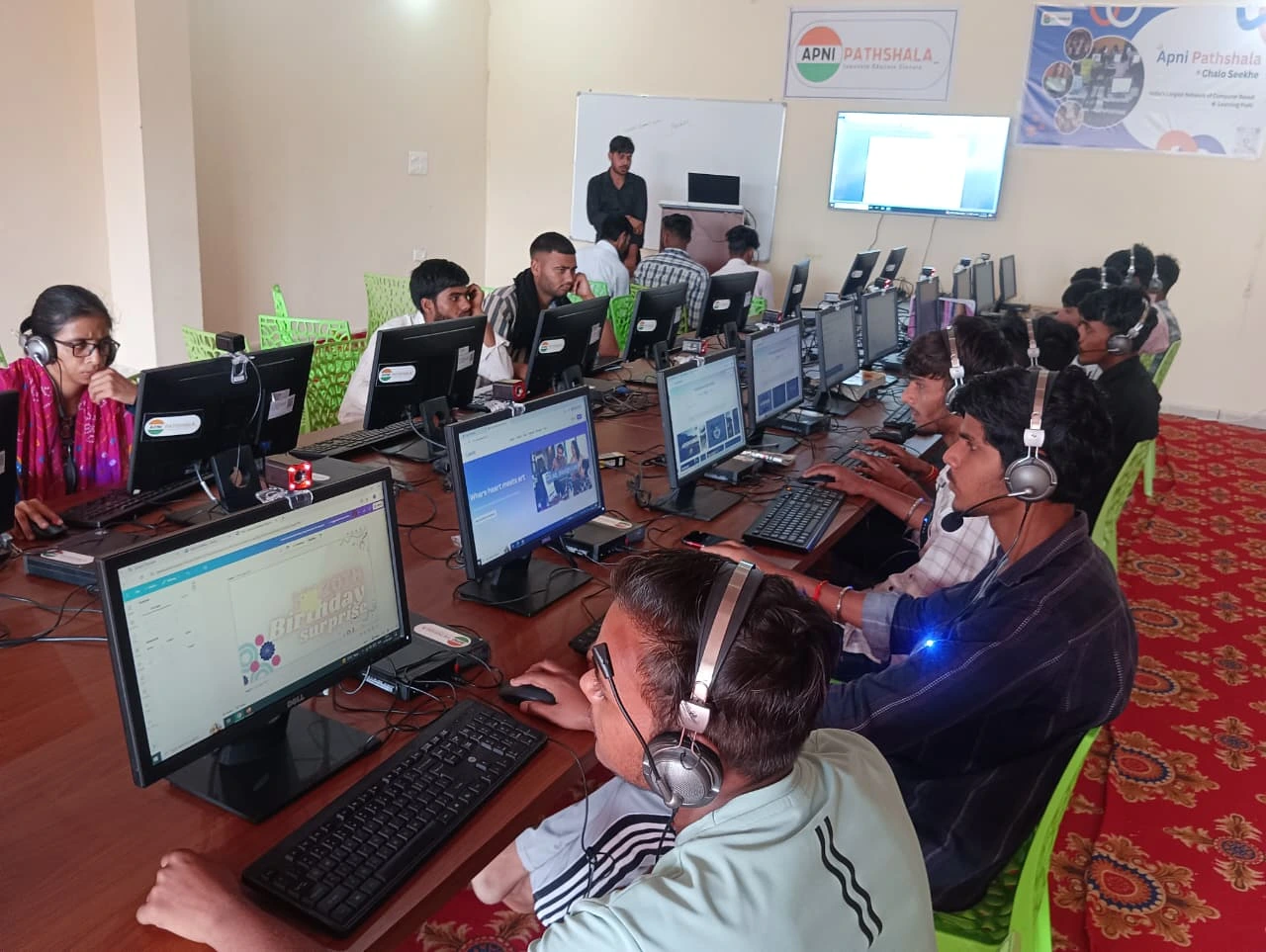
Let’s be honest. Your child’s school teaches him what to think, but not how to think. Textbooks give answers, not methods. Online videos show solutions, not the thinking process behind them. This is where digital practice changes everything.
When your child uses a computer for digital practice, he becomes a problem-solver. He writes code, watches it fail, then debugs it. He creates presentations and learns how to organise ideas. He uses spreadsheets and discovers how data works. Each of these activities builds problem-solving ability that no video can teach.
The Apna PC comes pre-loaded with tools like Scratch, which teaches coding through visual blocks. Your child doesn’t just watch someone code. Your child codes, experiments, and learns from mistakes. This is active study in its purest form. This is how real learning takes root.
Student Learning Gets Real When You Create
Think about what happens in a typical online class. Your child watches a teacher solve 10 math problems. The teacher explains each step. Your child nods and seems to understand. But has he learned? Not really. He’s just watched.
Now imagine this: Your child opens LibreOffice Calc on his Apna PC and creates a spreadsheet to track his own expenses. He has to think about categories, create formulas, and analyse the data. He’s not following someone else’s thinking. He’s doing his own thinking. This is student learning that sticks.
With 8GB RAM and 128GB SSD, the Apna PC runs smoothly for all these activities. It doesn’t lag or freeze when you’re in the middle of creating something. Your focus stays on thinking, not on waiting for the computer to respond.
The Digital Practice Tools That Matter
Apna PC comes with Zorin OS, a simple and clean operating system that doesn’t distract you. It also includes Apni Prerna, which lets parents monitor progress without being invasive. But the real magic is in what you can do with the software that’s already installed.
- Scratch for coding: Your child learns programming logic by building games and animations. This builds logical thinking in ways that math classes can’t.
- LibreOffice for productivity: Writing documents, creating spreadsheets, and making presentations teaches organisation and communication. These are abilities that employers value.
- Open-source tools: When you use open-source software, you’re also learning that technology isn’t just something you consume. It’s something you can understand and modify.
This aligns with the Digital India initiative, which aims to make technology accessible and useful for every Indian citizen. Apna PC is part of this vision, bringing thinking tools to students in smaller cities.
Why Tier 2 and Tier 3 Cities Need This Now
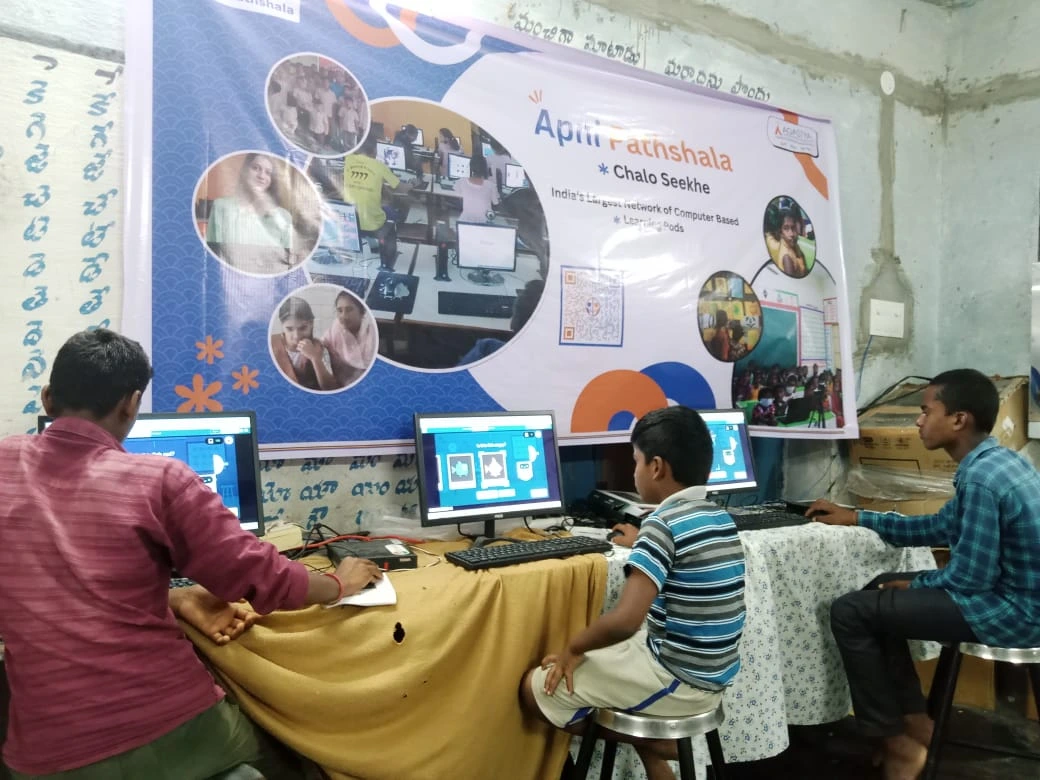
In metros like Delhi and Mumbai, students have access to expensive computers and coaching centres. But what about Indore, Nagpur, or Guwahati? Your children deserve the same tools for developing strong study habits. At Rs.21,000, Apna PC is affordable and powerful enough for serious learning.
Your child doesn’t need a gaming laptop or a device full of unnecessary features. Your child needs a computer that runs smoothly, comes with preloaded educational software, and lets him focus on real learning. That’s exactly what Apna PC delivers.
From Passive Watching to Active Thinking
When you first give your child an Apna PC, don’t expect instant genius. But over weeks and months, you’ll notice changes. Your child will ask more questions. He’ll try to solve problems instead of giving up. He’ll think about how things work instead of just accepting answers.
This is what growth looks like in action. Your child becomes curious, independent, and capable of learning on his own. These aren’t skills you can buy. But you can create the right environment for them to grow. A computer designed for digital practice and active creation, not just watching, is that environment.
Check out why serious students need computers, and how Apna PC fits into your child’s learning journey. You can also read about learning beyond textbooks to see real examples of active study. Your child’s thinking skills are too important to leave to chance or to passive video watching. Give your child a tool that encourages real thinking, real creation, and real learning. Visit apnapc.com to learn more.