


Rahul’s Turning Point: From Confused to Confident
Rahul sat in his 10th-grade computer class in Indore, staring at the screen while his teacher explained how to code in Scratch. The concepts seemed clear for five minutes, then his mind went blank. He watched videos at home, took notes, but when the assignment came, he froze. His fingers wouldn’t move. His brain couldn’t connect what he saw to what he needed to do. That’s when his parents brought home an Apna PC, and everything changed. Instead of just watching tutorials, Rahul started experimenting on his own machine. Learning by doing transformed his understanding from passive confusion to active confidence.
Why Watching Isn’t Enough for Your Brain
Your brain works differently than a video player. When you watch someone code or solve a math problem, your eyes see it, but your hands dont learn it. Neuroscience research shows that your brain creates stronger connections when you actually do the task, not just observe it.
Think about learning to ride a bicycle. No amount of watching YouTube videos will teach you balance. You have to get on the bike, wobble, fall, adjust, and try again. The same principle applies to coding, digital design, spreadsheets, and every technical skill you need for your future.
When you learn by doing, you:
- Remember more because your hands and mind work together
- Understand why things work, not just what happens
- Solve real problems instead of memorising answers
- Build confidence through actual success, not false understanding
The Problem: Most Students Still Only Watch
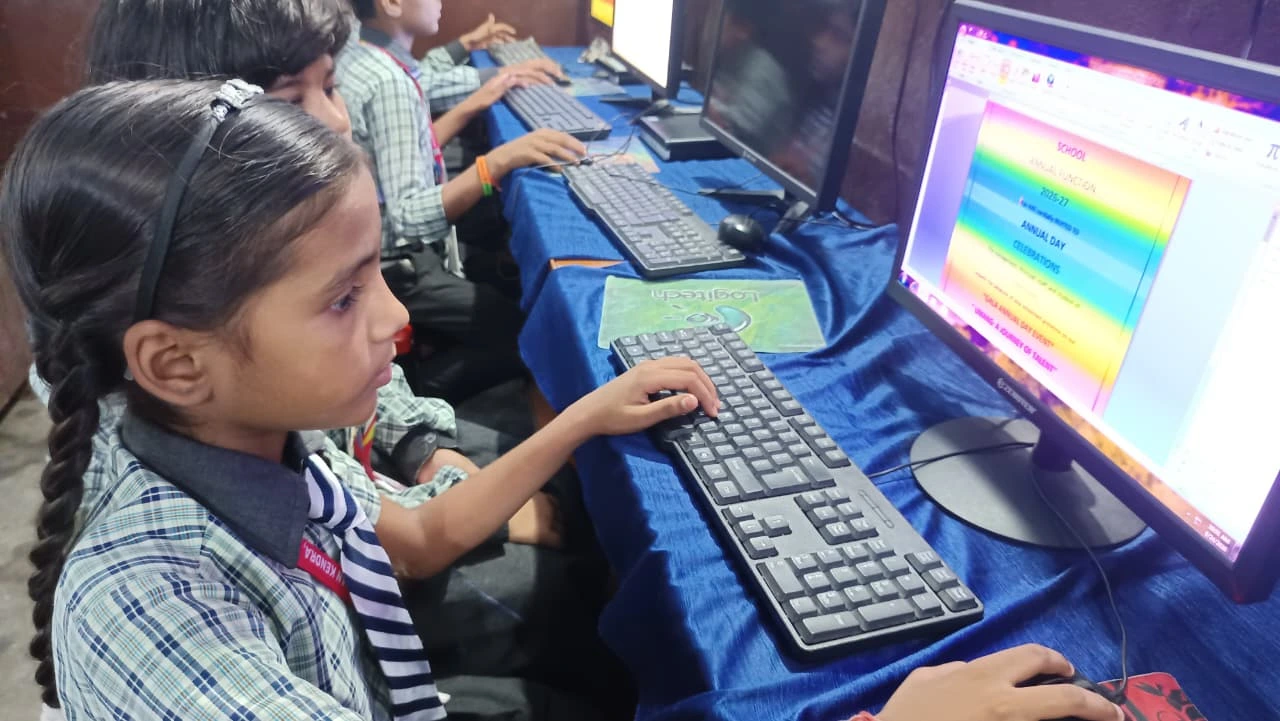
In many Tier 2 and Tier 3 cities across India, students dont have access to their own computers. They sit in crowded computer labs where one teacher manages 40 students. Everyone watches the same screen. Nobody gets to experiment. Nobody gets to make mistakes safely and learn from them.
This creates a learning gap that follows you into college and jobs. You might pass exams by memorising, but you can’t actually build anything. You can’t think like a creator. This is why the learning gap between students with home computers and those without keeps growing.
The Indian Ministry of Education recognises this challenge. India Ministry of Education has pushed for digital literacy, but access remains the bottleneck. Many families can’t afford expensive computers, so students remain passive watchers instead of active creators.
How Learning by Doing Changes Everything
Active learning means your hands are on the keyboard, your brain is solving problems, and your eyes are watching your own mistakes happen in real time. When you build a game in Scratch on your own computer, you dont just learn coding syntax. You learn problem-solving, debugging, and creative thinking.
Priya from Nagpur learned this when she got her own computer. She spent hours experimenting with LibreOffice, creating presentations for her school projects. Her grades improved not because she studied harder, but because she understood the tools deeply. She could turn curiosity into learning because she had a space to experiment without fear.
UNESCO education research confirms that students who engage in hands-on learning retain 75% more information than those who only listen or watch. Your brain needs to do, not just receive.
Practical Skills You Can’t Learn by Watching
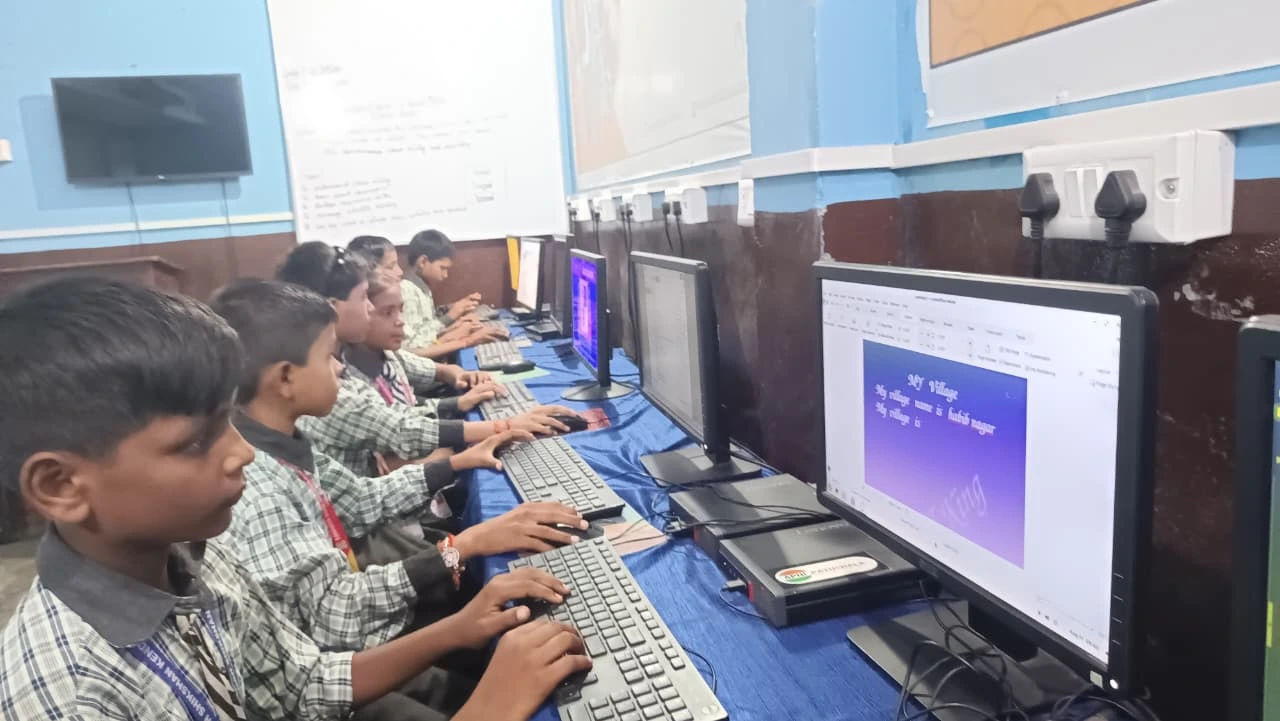
Some skills simply can’t be learned passively. You can’t learn typing by watching someone type. You can’t learn to use spreadsheets by watching videos. You can’t debug code by reading about debugging.
These practical skills are what employers actually want. When you apply for internships or jobs after school, companies dont ask what videos you watched. They ask what you’ve built. They want to see your projects, your code, your designs.
With your own computer, you can:
- Write and test your own programs without waiting for lab time
- Create digital art and learn design software at your own pace
- Build spreadsheets for real data from your school or community
- Make mistakes privately and learn from them without embarrassment
Why Apna PC Makes Learning by Doing Possible
Apna PC costs Rs. 30,000 (shipping and GST excluded) and is designed to be affordable for families in Tier 2 and Tier 3 cities. It comes preloaded with everything you need: Zorin OS, LibreOffice, Scratch, and Apni Prerna to track your progress. With 8GB RAM and a 128GB SSD, you can run multiple programs without lag. You get a real computer, not a toy.
This isn’t just about having a device. It’s about having your own space to experiment, create, and learn without pressure. When you own your learning environment, you become responsible for your growth. That responsibility builds independence and confidence.
Imagine having your own computer where you can practice coding whenever inspiration hits. Where you can redo an assignment until you fully understand it. Where you can turn curiosity into learning without waiting for the next class.
The Student Who Does Wins
In five years, the students who will stand out are those who learned by doing, not just watching. They’ll have portfolios of real projects. They’ll understand how things actually work. They’ll be ready for college and careers while others are still trying to catch up.
Your education is your responsibility. Watching is passive. Doing is powerful. With access to your own computer and the right tools, you can transform from a student who watches videos into a student who creates solutions. The question isn’t whether you can afford to get a computer. It’s whether you can afford not to.
The next time you watch a coding tutorial or a design class, ask yourself: Am I really learning, or am I just watching? Your future depends on the answer. Visit apnapc.com to learn more.