

Student confidence isn’t built overnight. It grows through practice, access to the right tools, and repeated success in small steps. For Indian students in tier-2 and tier-3 cities, having a personal learning device has become essential for developing both academic skills and the self-belief needed to face competitive exams and modern careers. A computer designed for serious learners can transform how students prepare, practice, and ultimately believe in their own abilities.
Why Student Confidence Matters More Than Ever
Today’s education system demands more than textbook knowledge. Students need digital skills to research, create presentations, take online tests, and communicate with teachers. When a student lacks access to a computer, they fall behind not just academically but emotionally too. They watch peers submit digital assignments, attempt online mock exams, and practice coding while they struggle to catch up.
Confidence grows when learners feel equipped. A computer removes that barrier. It’s the difference between feeling left out and feeling ready.
According to the Digital India Initiative, digital access is key to bridging the urban-rural education gap. Students with consistent access to learning devices show improved exam performance and higher engagement in their studies.
How Digital Skills Build Student Confidence
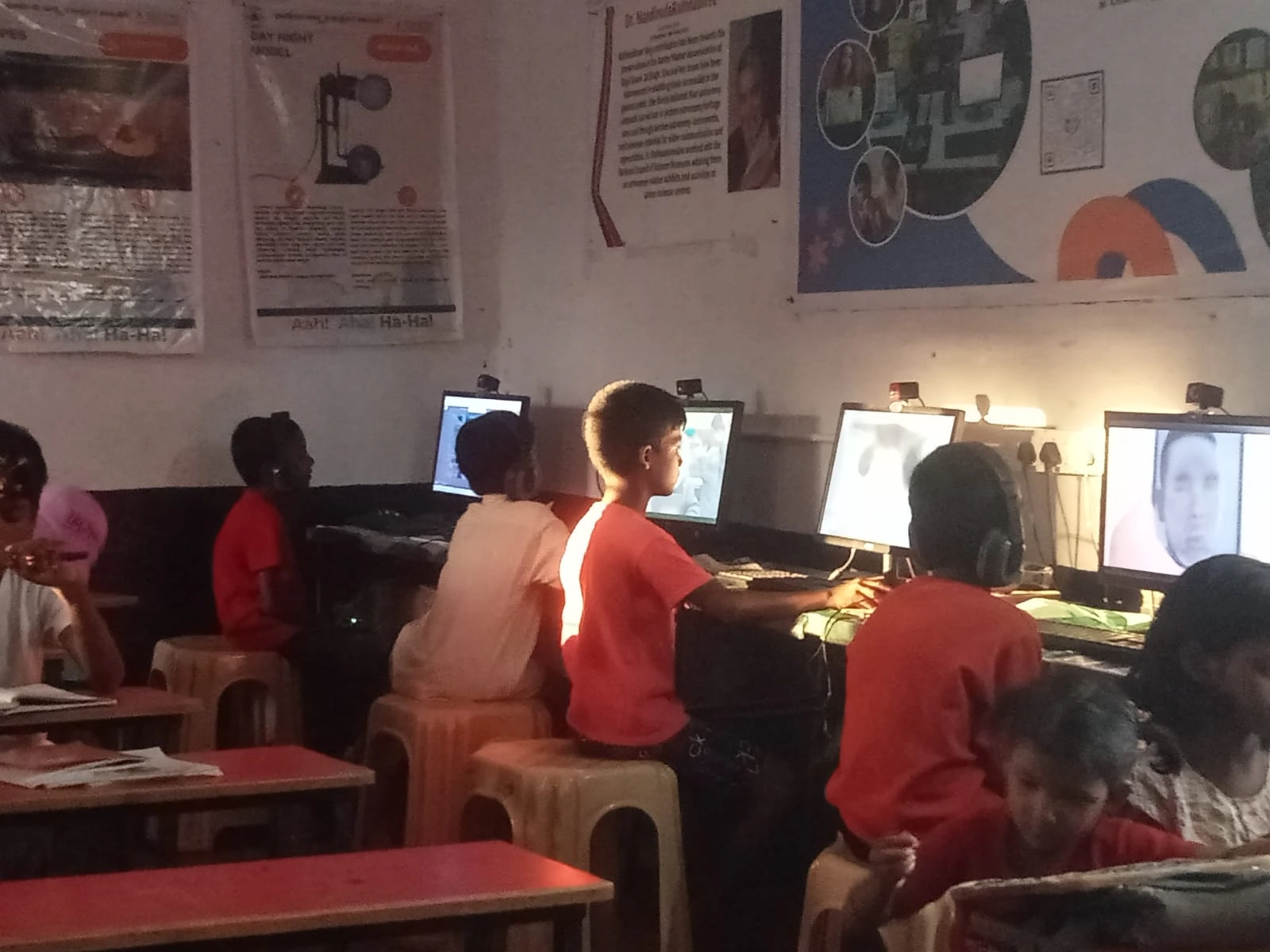
Digital skills aren’t just about typing or browsing. They include:
- Taking online practice tests without fear of making mistakes
- Researching topics independently using credible sources
- Creating study notes and organising them digitally
- Communicating with teachers and peers through learning platforms
- Developing problem-solving abilities through educational software
Each of these skills reinforces that sense of capability. When a learner completes an online mock exam and sees their score improve week after week, confidence builds naturally. They’re not just learning content; they’re learning that effort produces results.
Affordable computers like Apna PC (starting at just Rs.21,000) make these opportunities accessible to students who couldn’t otherwise afford a personal device. A study device tailored for education means students can practice without guilt about expensive hardware.
Study Practice and Repeated Success
Confidence comes from repetition and visible progress. A dedicated learning device allows students to:
- Practice math problems until they master concepts.
- Attempt mock exams multiple times.
- Review mistakes without time pressure.
- Access educational videos and tutorials at their own pace
This kind of deliberate practice is what separates confident learners from anxious ones. Learning research shows that spaced repetition and active recall strengthen both knowledge and self-assurance simultaneously.
When students have their own computer, they’re not competing for shared family devices or rushing through practice sessions. They can invest the time needed to truly understand difficult topics.
Student Confidence in Exam Situations
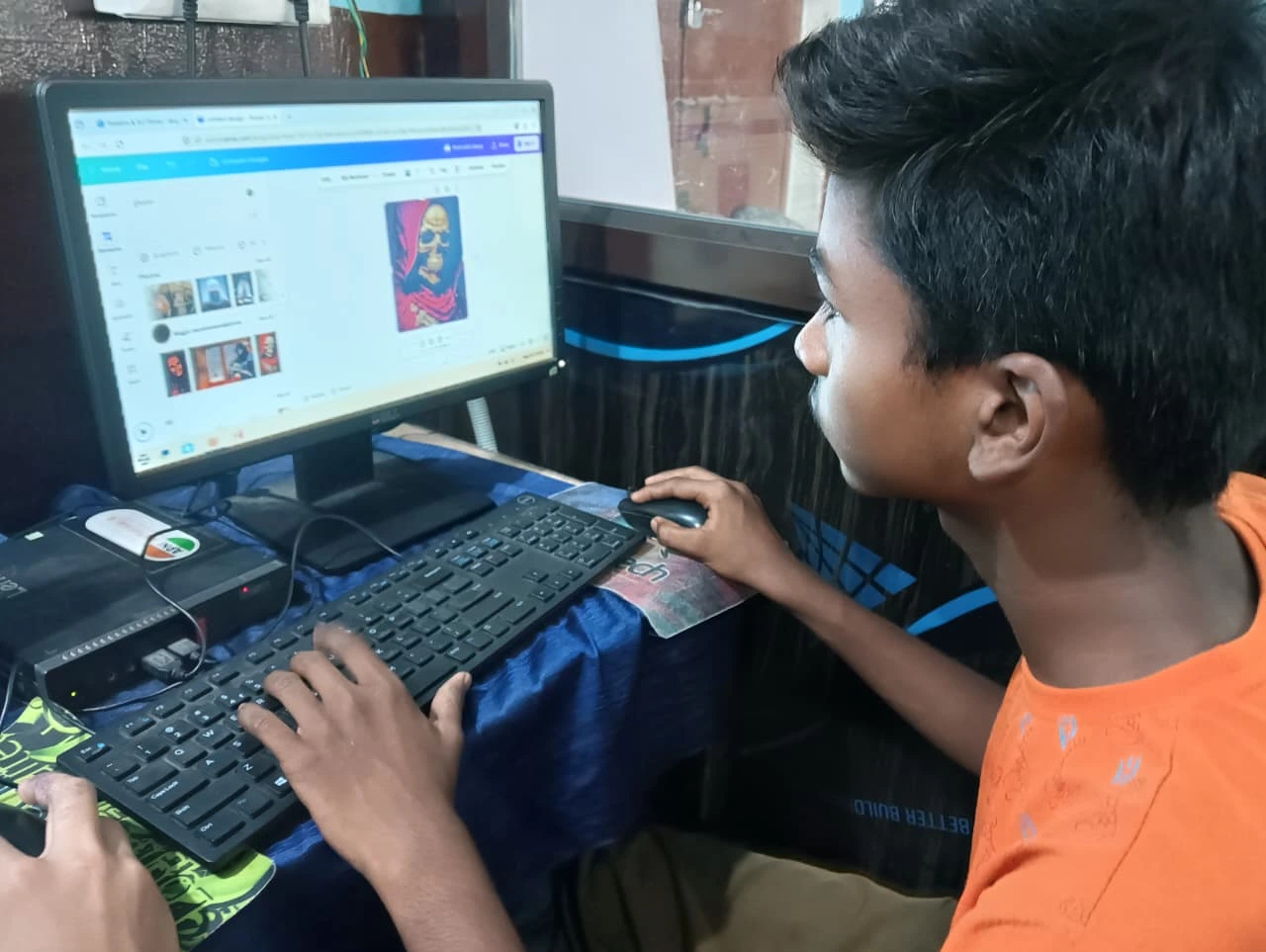
Exams are high-stress moments. But students who’ve practised on computers, taking online tests, managing time pressure, and navigating digital interfaces approach exams with calm and composure. They’ve done it before. They know what to expect.
Exam practice builds computer confidence in ways that paper-based study cannot. Digital exams are now standard for competitive tests like JEE, NEET, and banking exams. Students who’ve only studied from books face a double challenge: learning content and learning the interface at the same time.
A computer removes that second challenge, letting students focus purely on demonstrating what they know.
Affordability Removes a Barrier to Confidence
Many Indian families in tier-2 and tier-3 cities want to invest in their children’s education but face budget constraints. Expensive laptops feel like a luxury, not a necessity. This creates a confidence gap: privileged students have devices, others don’t.
Apna PC changes this equation. At Rs.21,000, a quality educational computer becomes a realistic purchase for middle-class families. It’s an investment in digital skills and self-belief that pays dividends throughout a learner’s academic and professional life.
A computer for serious students doesn’t need to be the most expensive device on the market. It needs to be reliable, fast enough for learning software, and affordable enough that families can actually buy it.
Building Long-Term Confidence Through Technology
Student confidence isn’t temporary. It shapes how learners approach challenges for years to come. A student who develops strong digital skills and academic assurance in class 10 or 12 carries that into college, competitive exams, and eventually their career.
Technology is no longer optional in education. It’s foundational. Students without computers are at a genuine disadvantage, not just academically, but psychologically. They internalise the message that they don’t have access to the same tools as their peers.
Conversely, students who have their own learning devices develop a sense of agency. They control their study schedule. They practice at their own pace. They see their progress tracked in real time. All of this builds genuine, sustainable confidence.
Taking the Next Step
If you’re a student or parent wondering whether a computer is worth the investment, consider this: the cost of a quality educational device is far less than the cost of poor exam performance, lost opportunities, or years of self-doubt.
Student confidence is built through access, practice, and success. A computer designed for learning provides all three. Visit apnapc.com to learn more about how an affordable educational device can transform your learning journey and build the confidence you need to succeed.