

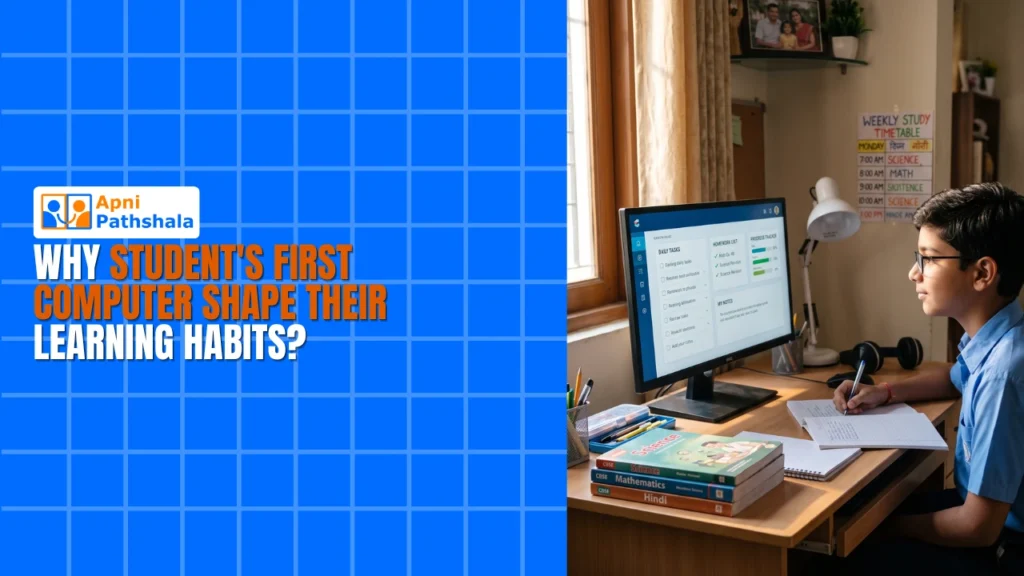
A student’s first computer shapes their learning habits because it becomes their own space for study, with a clear line between learning and entertainment. A fast, reliable first computer makes it easy to sit down and work every day, and that daily routine builds discipline, curiosity and independence.
For example, a Class 8 student who struggles with maths and science might start solving problems alone, watching lessons and keeping a routine once they have their own computer. The tool matters, but the habit it builds matters more.
How does a first computer build study habits that last?
A dedicated study computer gives a child their own space, tool and responsibility. Unlike a shared family laptop or a phone, it separates learning time from entertainment time.
The right computer teaches consistency. Your child logs in, opens their study apps and focuses, and over time this becomes automatic, so the habit is part of their day rather than something you have to push.
A poorly chosen device has the opposite effect. If it is slow and crashes, children avoid it. A fast, reliable computer like Apna PC, with 8GB of RAM and a 128GB SSD, makes them want to sit down and work, because the machine does not get in the way. Read more on how digital learning builds study habits.
- Consistency: a daily study schedule develops without force.
- Independence: children learn to research answers online, not only ask teachers.
- Focus: a dedicated study device keeps distractions out of the learning space.
- Confidence: success in one subject motivates them to try harder ones.
Why do students in Tier 2 and Tier 3 cities need better access?
Many students in smaller cities are still catching up on digital learning, and the gap is about access and affordability, not intelligence. Students in metro cities have often had computers for years.
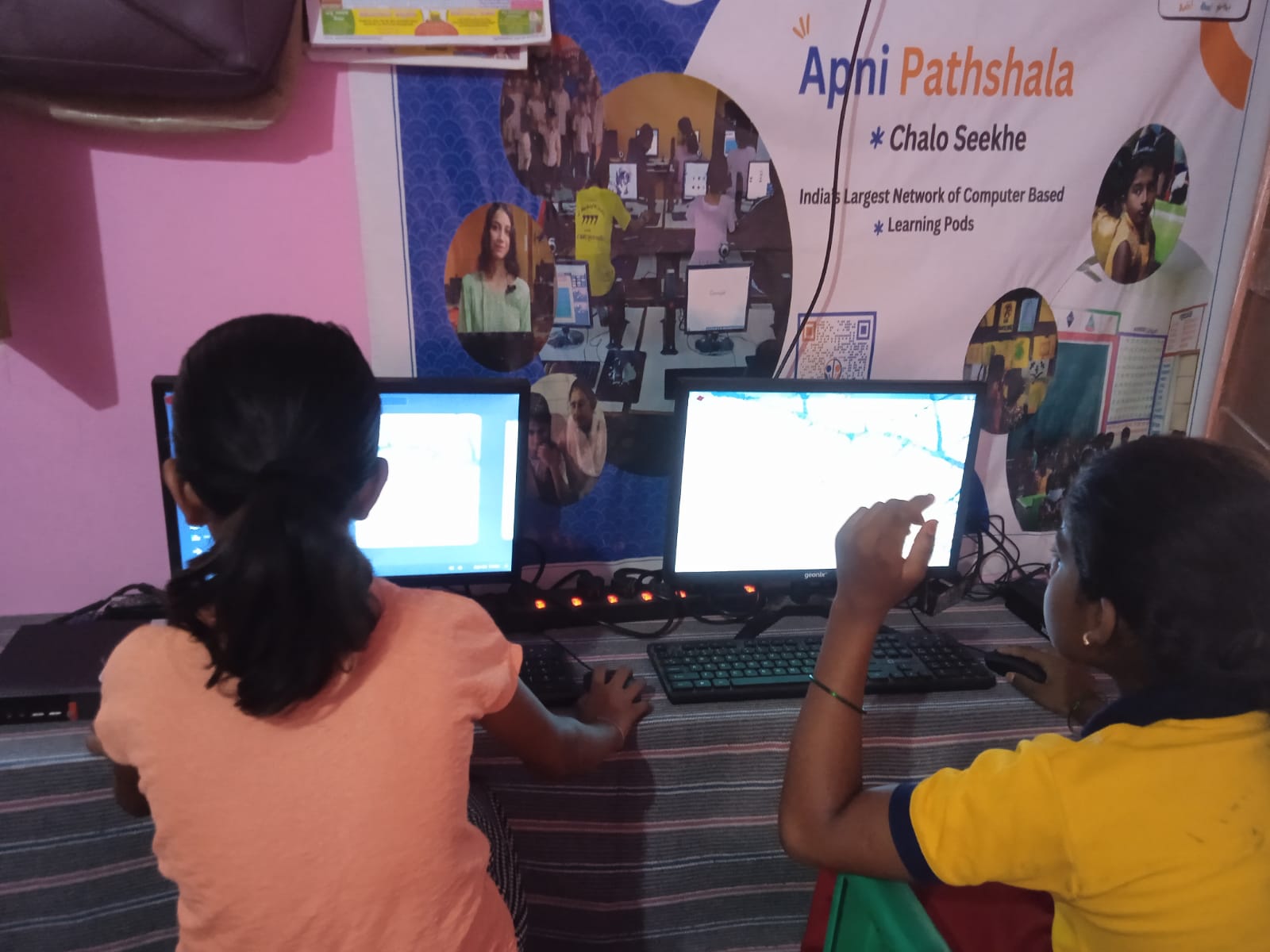
Without a computer at home, a child cannot do extra practice at night, watch tutorials on difficult topics or build coding skills employers now expect. The Digital India initiative is bringing technology into schools, but home learning is where habits really form.
That is why Apna PC exists. It is designed for Indian students and pre-loaded with the tools they need. At Rs.30,000 (excluding shipping and GST), it is affordable for many middle-class families in smaller cities and handles everything from schoolwork to competitive exam preparation.
What makes a computer suitable for a child’s learning?
A good first study computer is fast, has the right software and stays free of distractions. Gaming laptops are overkill and expensive, old machines frustrate children, and some budget computers break down.
| Need | Why it matters | What Apna PC includes |
|---|---|---|
| Speed | Your child should not wait 30 seconds for an app to load mid-problem | 8GB RAM and 128GB SSD |
| Simple software | Less time fighting complicated programs | Zorin OS, LibreOffice, Scratch |
| Parent visibility | Track progress without invading privacy | Apni Prerna |
| Few distractions | Keeps focus on study, not gaming | Built for learning |
If you are buying for the first time, our guide to buying a first computer for your child covers what to check.
How does a computer move learning from passive to active?
A computer lets children search, try and try again instead of only listening and reading. Before, learning meant hearing the teacher, reading the textbook and solving problems at the back of the book, which is fine for basics but does not build deep learning.
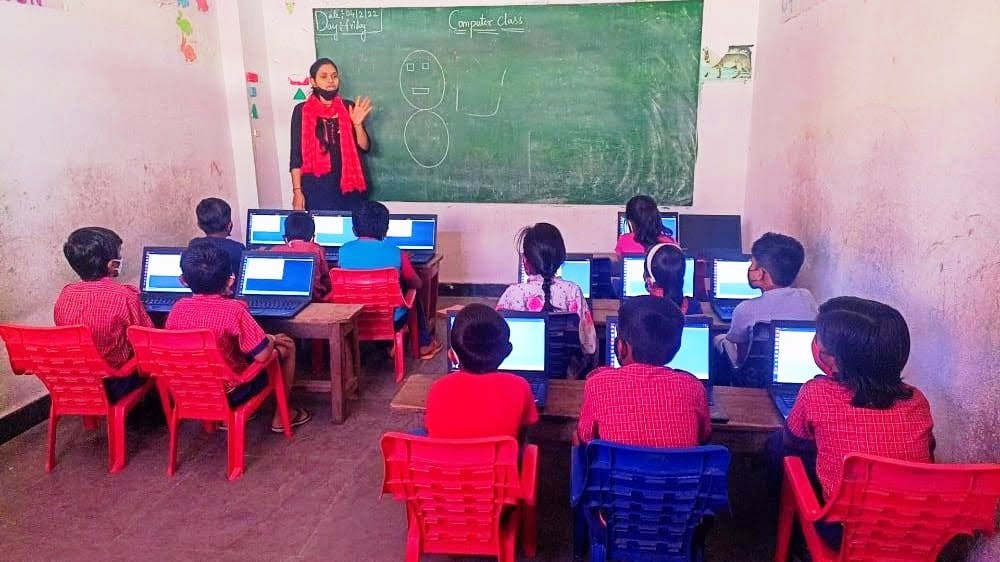
With their own computer, a child meets a problem, searches for solutions, watches a tutorial and tries again, without waiting for the next class. This is how daily revision with a computer becomes powerful: topics can be revisited whenever needed until they click.
Students with their own computer can also develop curiosity and learn how to learn. That skill can matter more in a career than any single test score.
What real skills does a first computer prepare children for?
Coding, digital literacy, online research and working with software are now basic expectations. A first computer prepares your child for more than Class 8 or Class 10, including college entrance exams, competitive exams and future jobs.
Habits formed in these early years tend to stick. A student who learns to code, research and study independently on their own computer carries that discipline into higher education and work. A personal computer in the hands of a young learner is valuable for what the student can do with it, not for the specs or brand.
Why does this decision matter right now?
Much of today’s learning happens outside the classroom, and children without a good computer can fall behind. You do not need to spend a fortune to fix that.
Apna PC comes ready to use, with the software your child needs already installed, so there is no confusing setup. The choice you make today can shape your child’s learning habits for the next 10 years. See also how a first computer shapes digital habits.
Frequently Asked Questions
At what stage should my child get their first computer?
When schoolwork starts needing research, typing, projects or coding, a computer becomes genuinely useful. Many families find middle school a natural point. What matters more than timing is setting it up for study from day one, so learning habits form before entertainment habits.
Is a shared family laptop enough for a first computer?
It can work, but it rarely builds strong habits. Shared laptops get filled with games and videos, and children wait for their turn. A dedicated study computer gives your child their own space and routine, which is what turns occasional use into a daily study habit.
How do I stop the computer becoming a gaming machine?
Choose a computer built for learning and set it up with study tools first. Apna PC comes with Zorin OS, LibreOffice and Scratch, and Apni Prerna lets you follow your child’s activity. Agree on study times together so the routine feels shared rather than forced.
Apna PC is designed for students like yours, in cities like yours, with dreams as big as anyone’s. Visit Apna PC to learn more.