

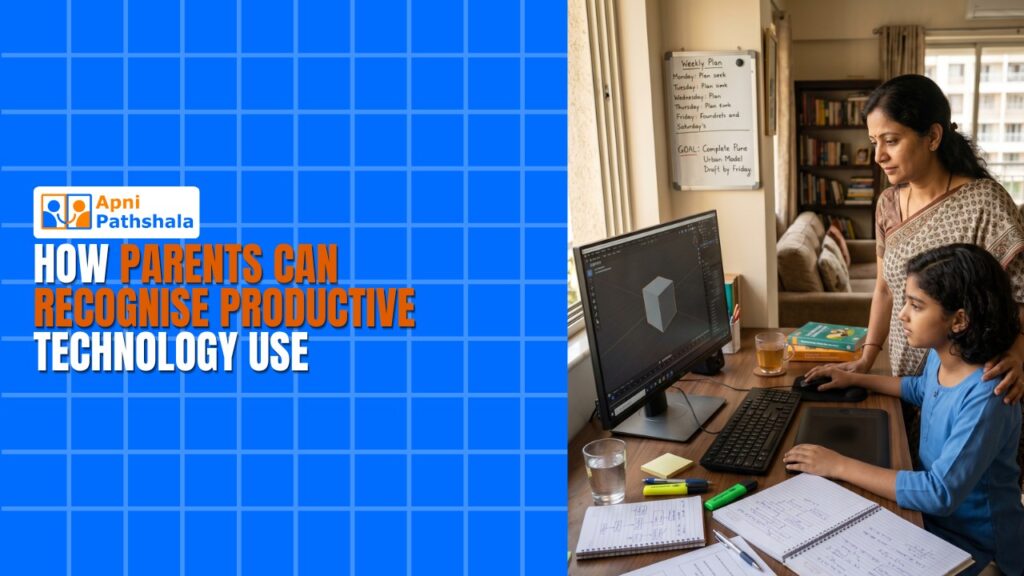
Priya’s son spends three hours a day on screens. She worries. She has read the articles about screen time. She has heard the warnings. She has set timers, confiscated phones, and had arguments that end with slammed doors. She is doing what every parenting article tells her to do. She is fighting the wrong battle.
Her neighbour’s daughter also spends three hours a day on screens. But the screens are different. One hour on a computer writing a story. Forty-five minutes building a Scratch project. Thirty minutes researching a school project. The rest watching a documentary. The mother does not worry. She does not set timers. She does not confiscate anything. Because she knows the difference between screen time and productive screen time.
The conversation about children and technology is stuck on the wrong metric. Parents are counting hours when they should be counting outcomes. Three hours of scrolling is not the same as three hours of creating. The time is the same. The value is completely different.
Why Is Counting Hours the Wrong Approach?
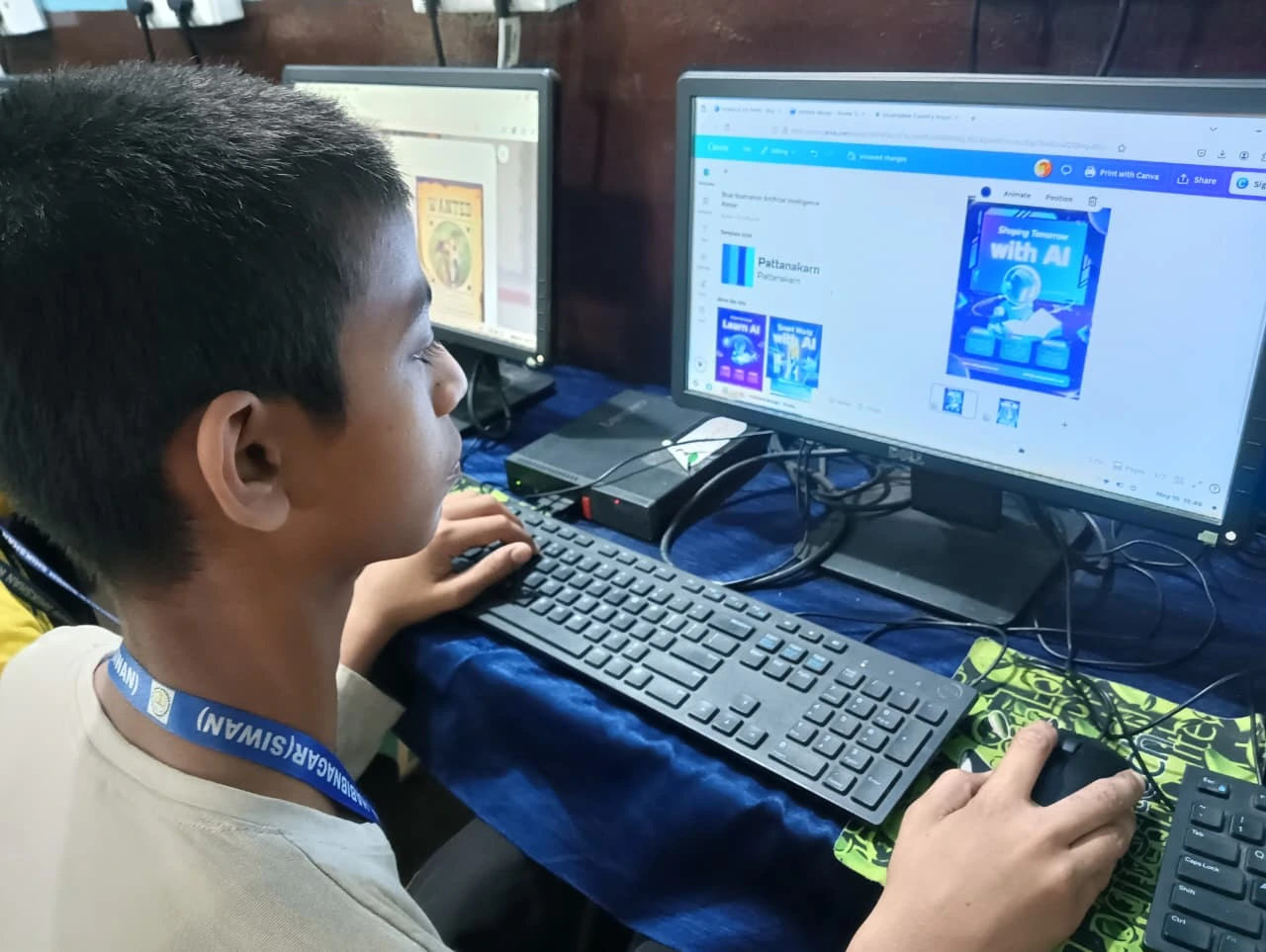
The “screen time” metric treats all screen use as equal. Watching a cartoon is the same as coding a game. Scrolling social media is the same as writing an essay. Browsing YouTube is the same as designing a poster. The metric does not distinguish between consumption and creation. It just counts minutes.
This leads to absurd outcomes. A parent who limits screen time to one hour per day forces their child to stop building a Scratch project at the fifty-ninth minute. The child was learning, creating, and problem-solving. The timer went off. The learning stopped. The parent enforced the rule. Everyone lost.
Healthy screen time is not about the clock. It is about what happens on the screen. A child who spends thirty minutes on a computer building a project has had more productive screen time than a child who spends thirty minutes on a phone watching videos. The device matters. The activity matters. The clock does not.
Technology use for kids is not inherently good or bad. It is productive or unproductive. A parent who can tell the difference does not need timers. They need to understand what their child is doing on the screen.
DIKSHA, India’s national digital learning platform offers structured digital learning for students. A child using DIKSHA on a computer is having productive screen time. No child is scrolling through Instagram on a phone. The time is the same. The outcome is different.
What Productive Screen Time Looks Like?
Productive screen time has three characteristics. The child is creating, not just consuming. The child is learning, not just browsing. The child is building a skill, not just passing time.
A child typing a story in a word processor is having productive screen time. They are creating content, organising thoughts, and building writing skills. A child coding in Scratch is having productive screen time. They are solving problems, debugging logic, and building programming skills. A child researching a topic on a browser is having productive screen time. They are searching, evaluating, and building research skills.
A child scrolling through random videos is not having productive screen time. They are consuming content passively. Their brain is in receive mode, not create mode. They are not building skills. They are passing time.
The difference is visible to any parent who looks at the screen. A child who is productive looks focused. They are typing, clicking, thinking. A child who is consuming looks passive. They are swiping, scrolling, staring. The body language tells the story.
Digital parenting is not about banning screens. It is about guiding children toward productive use and away from passive consumption. A parent who understands this does not fight the screen time battle. They win the screen quality battle.
What Is Apna PC and How Does It Help Indian Students Learn Better. But more importantly, it helps parents see that the right tool makes a big difference.
Why a Computer Change the Equation?
A phone encourages consumption. The interface is designed for scrolling, tapping, and watching. A child on a phone is naturally pulled toward passive content. The device is built for it.
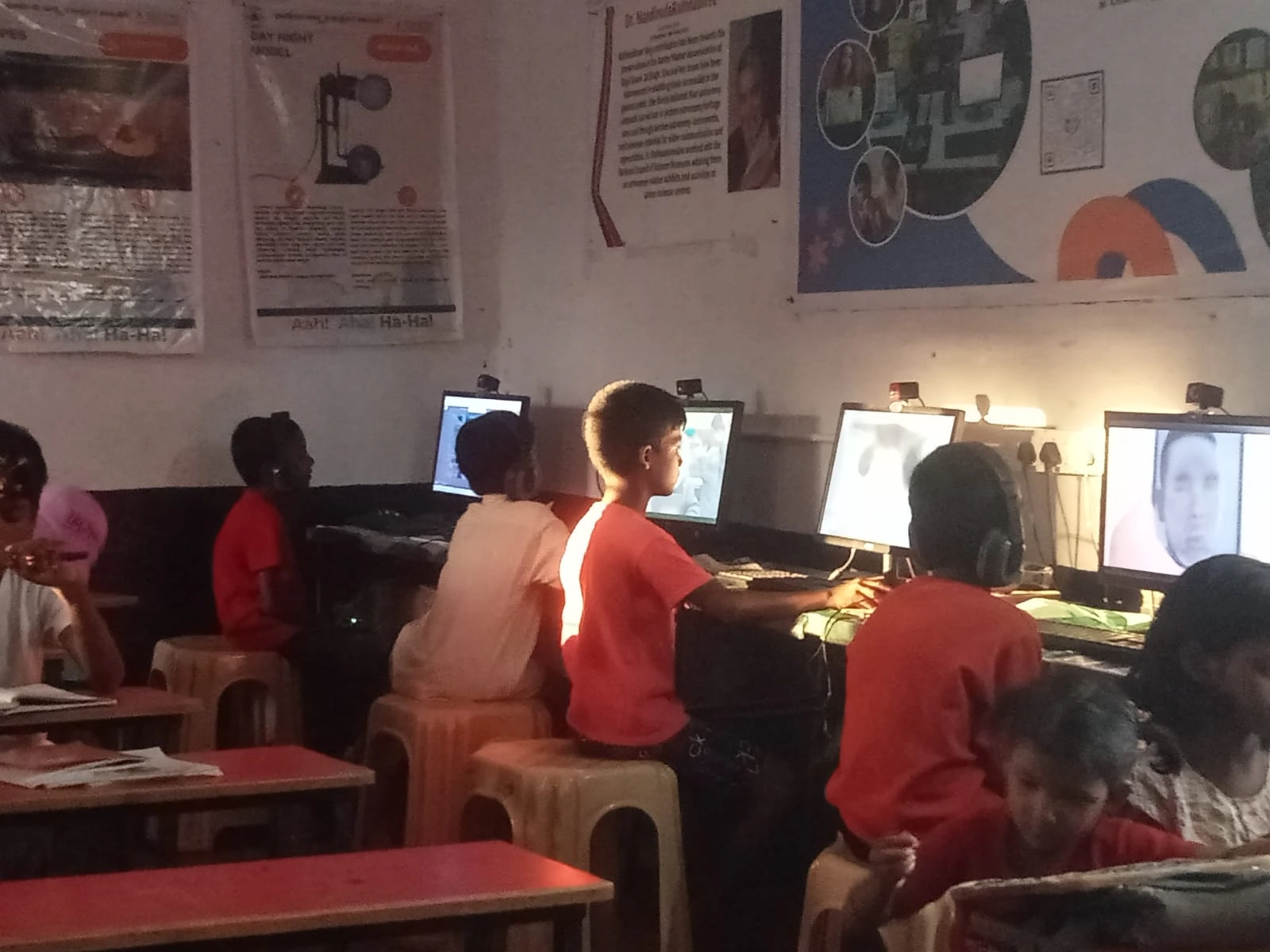
A computer encourages creation. The interface is designed for typing, building, and organising. A child on a computer is naturally pulled toward active work. The device is built for it.
A parent who gives their child a computer instead of a phone changes the default behaviour. The child on a phone defaults to watching. The child on a computer defaults to doing. This is not a guarantee. But it is a strong nudge in the right direction.
Productive screen time happens more naturally on a computer because the device supports it. A child who opens a computer sees a desktop with applications. A child who opens a phone sees social media and games. The environment shapes the behaviour.
The Biggest Advantage a Student Can Have Today. But the advantage is not just about having a computer. It is about having a device that makes productive use the default, not the exception.
What Parents Should Do?
Stop counting hours. Start observing what your child does on the screen. If they are creating, learning, or building skills, the screen time is productive. If they are consuming, browsing, or passing time, it is not. The clock does not matter. The activity does.
Give your child a computer. A device that makes productive use natural. A screen large enough for real work. A keyboard for typing. Tools for creating. The computer does not guarantee productive screen time. But it makes it much more likely.
Apna PC, priced at ₹21,000 (shipping and GST excluded), gives your child a device designed for productive use. Not entertainment. Not social media. Tools for learning, creating, and building. Your child plugs it in and starts having productive screen time from day one.
Digital India initiative is building digital infrastructure for India’s future. Give your child the device and the habits to use technology productively. Visit apnapc.com to learn more.