

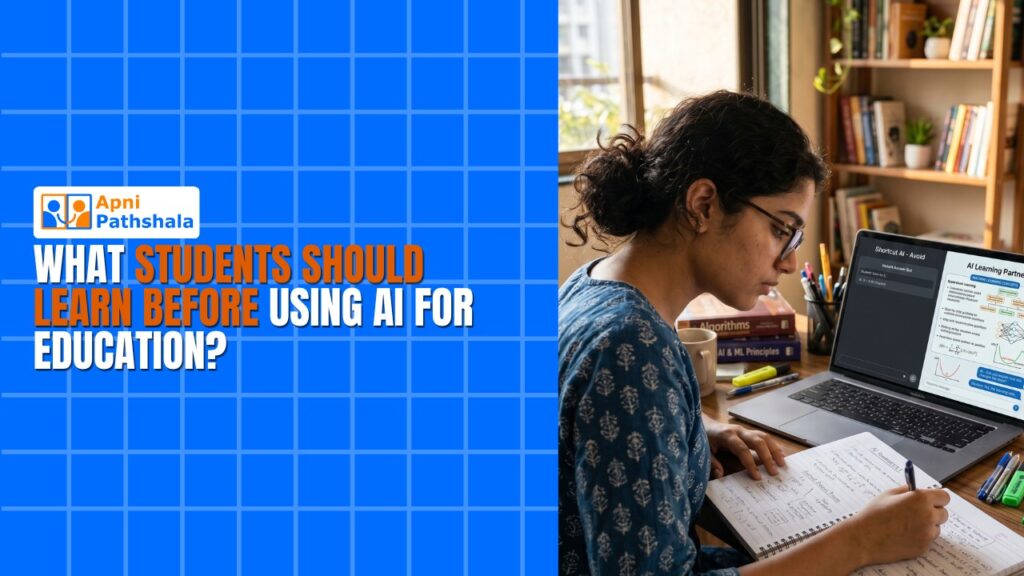
Every parent wants their child to use AI for education. Every school is talking about AI tools. Every EdTech platform is advertising AI-powered learning. The message is clear: learn AI or get left behind.
But here is the problem. Most students who start using AI for education do not have the foundation to use it effectively. They cannot type properly. They do not know how to search for information. They cannot organise files. They do not understand how to evaluate what a tool tells them. They jump straight to AI without learning the skills that make AI useful.
It is like giving a child a calculator before they understand numbers. The calculator is powerful. But without the foundation, the child does not know what to calculate, how to check if the answer makes sense, or when the calculator is wrong. AI literacy is not about using AI. It is about having the skills to use AI well.
Why Must Digital Literacy Come First?
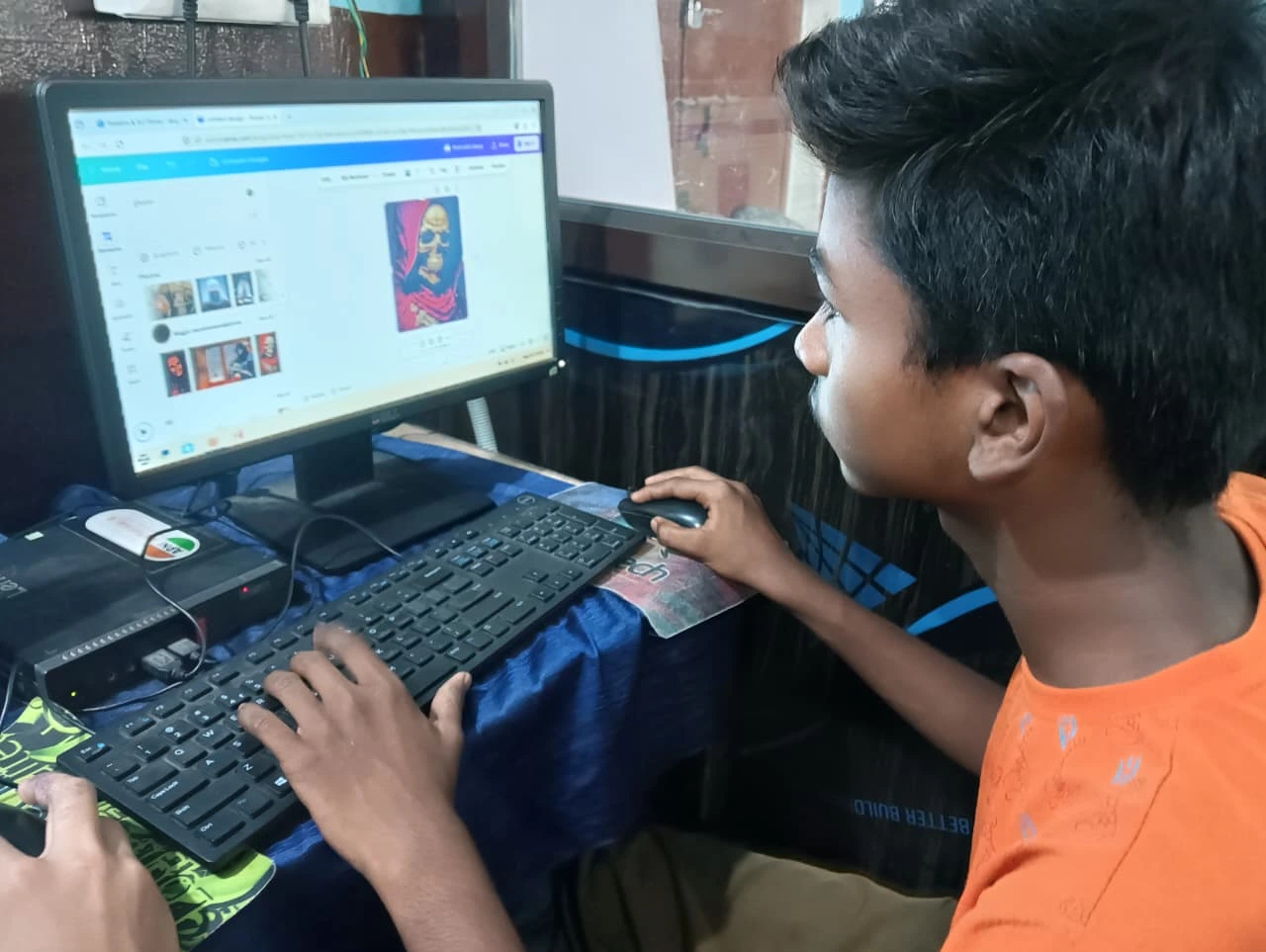
Digital literacy is the foundation that AI literacy builds on. A student who cannot type cannot write prompts efficiently. A student who cannot search cannot find the right AI tool for the task. A student who cannot organise files cannot manage the outputs AI generates. A student who cannot evaluate information cannot judge whether AI’s response is accurate.
These are not advanced skills. These are basic digital competencies that every student needs before they touch AI. Yet most Indian students skip them. They go from using a phone for WhatsApp to using AI for homework. The foundation is missing. The AI sits on unstable ground.
AI skills for students start with typing, searching, organising, and evaluating. A student who can type at 30 words per minute can write prompts quickly. A student who knows how to search can find the right AI tool. A student who can organise files can manage AI outputs. A student who can evaluate information can judge AI responses.
DIKSHA, India’s national digital learning platform offers digital literacy modules for students across India. These modules cover the foundational skills that AI literacy depends on. Without them, AI becomes a crutch instead of a tool.
What AI Literacy Actually Means?
AI literacy is not about knowing how to use ChatGPT. It is about understanding what AI can and cannot do. A literate AI user knows three things that an illiterate one does not.
First, they know that AI can be wrong. AI models generate responses based on patterns in data. They do not verify facts. They do not check sources. They sometimes produce confident-sounding answers that are completely incorrect. A student who does not know this will trust every AI response. A student who does know this will verify important claims.
Second, they know how to ask the right questions. AI responds to the prompt it receives. A vague prompt gets a vague answer. A specific prompt gets a specific answer. A student who learns to write clear, detailed prompts gets better results from AI. This is a skill that requires practice and understanding.
Third, they know when to use AI and when not to. AI is good at explaining concepts, generating ideas, and checking work. It is not good at making decisions, forming opinions, or creating original thought. A student who understands this uses AI for the right tasks and thinks for themselves on the rest.
AI education for students is not about teaching them to use one tool. It is about teaching them to think about AI critically. The tool will change. The thinking will not.
What Is Apna PC and How Does It Help Indian Students Learn Better. But more importantly, it gives them the foundation that makes AI literacy possible.
The Right Order of Learning
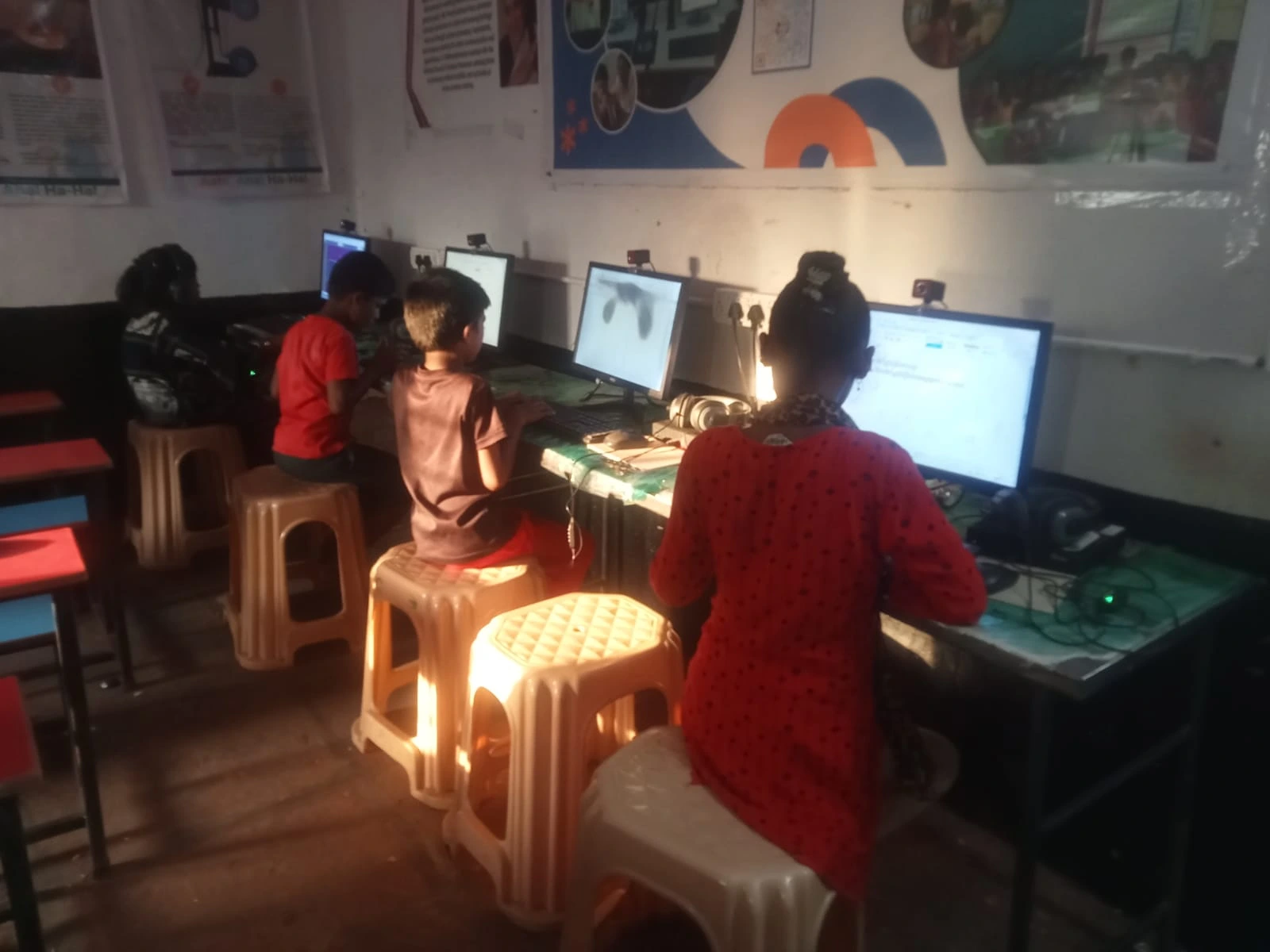
The order matters. Digital literacy first. AI literacy second. A student who skips digital literacy and goes straight to AI will build bad habits. They will copy-paste instead of thinking. They will trust instead of evaluating. They will depend instead of creating.
A student who builds digital literacy first approaches AI differently. They type prompts efficiently because they can type. They search for the right tool because they know how to search. They evaluate AI responses because they know how to evaluate information. They use AI as a tool because they have the foundation to use it well.
The foundation is not complicated. It is a computer with basic tools. A keyboard for typing. A browser for searching. A file system for organising. These are the tools that build digital literacy. And digital literacy is the foundation for AI literacy.
The Biggest Advantage a Student Can Have Today. But the advantage is not just about having a computer. It is about having the foundation that makes every digital tool, including AI, more effective.
What Parents Should Do?
Do not rush to give your child AI tools. Start with the foundation. Give them a computer. Let them learn to type, search, organise, and evaluate. Let them build digital literacy first. Then introduce AI as a tool that enhances their existing skills.
Apna PC, priced at ₹21,000 (shipping and GST excluded), comes pre-loaded with tools that build digital literacy. LibreOffice for typing and organising. A browser for searching. Scratch for logical thinking. These are the foundations that make AI literacy possible.
Digital India initiative is pushing for digital and AI literacy across India. But AI literacy without digital literacy is a house without a foundation. Give your child the foundation first. Visit apnapc.com to learn more.