

Priya uses her phone for four hours a day. She watches reels, scrolls through WhatsApp, and occasionally looks up a recipe. She has been doing this for five years. She is exactly where she was five years ago. The phone entertained her. It did not grow her.
Her daughter, Ananya, got a computer two years ago. In the first month, she learned to type. In the first year, she built three Scratch projects and wrote her first essay in LibreOffice. In the second year, she started learning Python. Ananya used technology. But more importantly, she grew with it.
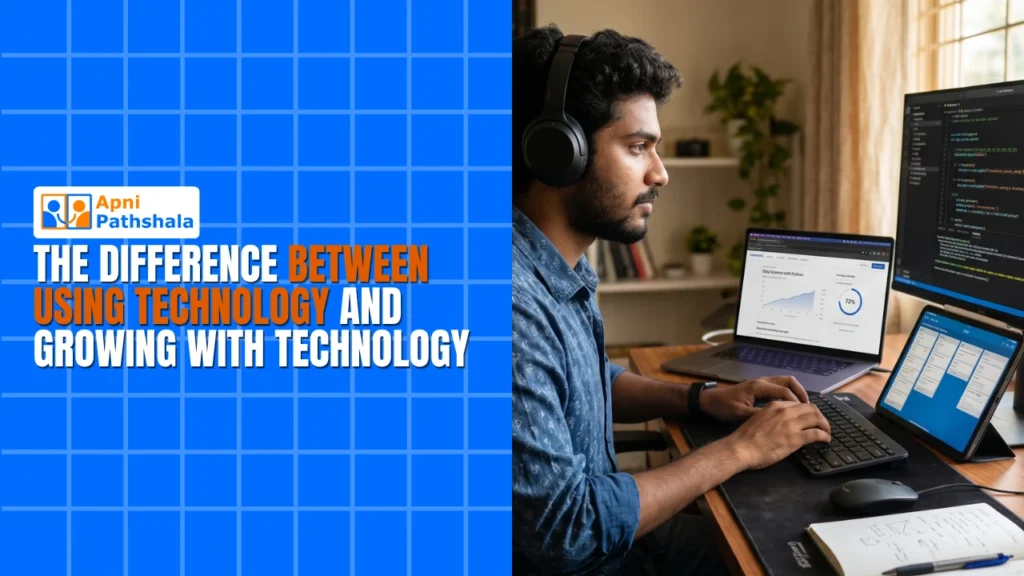
The difference between using technology and growing with it is the difference between watching and building. Most Indian students use technology every day. Most people do not grow with it. And the tool that makes the difference is not a phone. It is a computer.
What Using Technology Looks Like
Using technology is passive. It means consuming content that someone else created. Watching videos. Scrolling social media. Playing games. Reading articles. The user is a recipient. They absorb information. They do not create it.
Most Indian students who have access to technology are users. They have phones. They have internet. They spend hours on screens every day. But at the end of the week, they cannot point to a single thing they built, learned, or created. The technology consumed their time. It did not build their skills.
Meaningful use of technology is different. It means using a tool to achieve something. To write a document. To analyze data. To build a project. To solve a problem. The user is active. They produce something. They do not just consume.
UNESCO global education research distinguishes between passive screen time and active digital engagement. Students who use technology actively outperform those who use it passively. The tool is the same. The intention is different.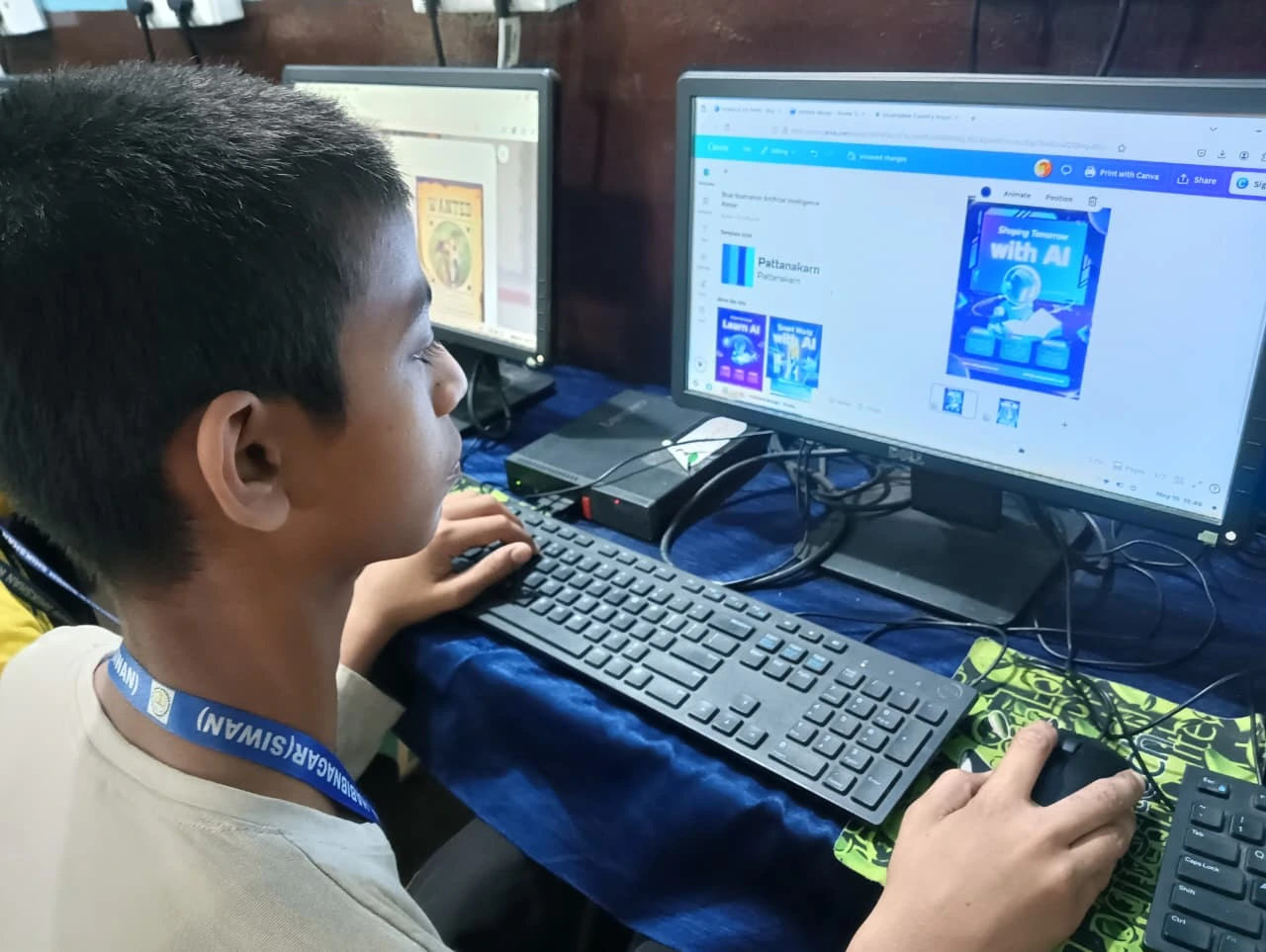
What Growing With Technology Looks Like
Growing with technology means that your skills improve over time because of how you use it. A student who types for the first time struggles with the keyboard. After a month, they type without looking. After a year, they type at 40 words per minute. The technology did not just help them type. It helped them grow a skill.
A student who builds their first Scratch project makes mistakes. The code does not work. They debug it. They try again. They fix it. The second project is better. The third is even better. They are not just using a tool. They are growing as a problem-solver.
Digital learning skills are not about knowing which button to click. They are about developing the ability to learn new tools quickly, solve problems digitally, and create things that did not exist before. A student who grows with technology becomes a person who can adapt to any new tool, any new platform, and any new challenge.
How a Personal Computer Helps Students Learn Beyond the School Curriculum. But more importantly, it helps them build the confidence to learn anything new on their own.
Why a Computer Enables Growth and a Phone Does Not
A phone is designed for consumption. The screen is small. The keyboard is virtual. The operating system is built for scrolling and tapping. A child on a phone is a viewer. They watch what others create.
A computer is designed for creation. The screen is large. The keyboard is physical. The operating system supports multiple applications, file management, and sustained work. A child on a computer is a builder. They create what others view.
The growth happens in the creation. A student who writes a document learns to organize thoughts. A student who builds a project learns to solve problems. A student who codes learns to think logically. These skills do not come from watching videos. They come from doing things.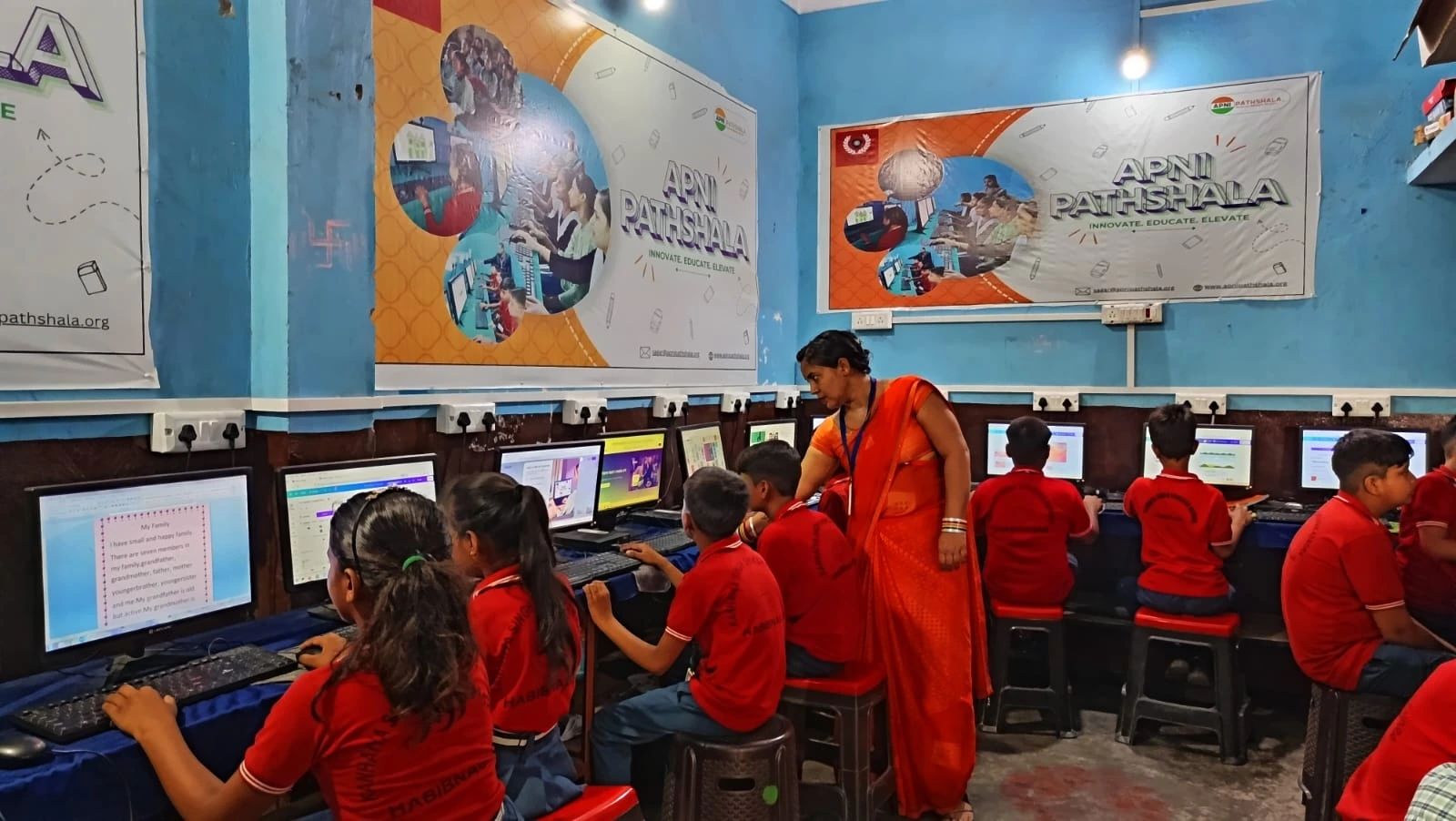
Student growth through technology is not automatic. It requires the right tools and the right environment. A phone in a child’s hand leads to passive consumption. A computer in a child’s hand leads to active creation. The device determines the behavior.
The Hidden Cost of Not Having a Computer in 2026. But the cost of growing without digital skills is higher. A student who only uses technology for entertainment enters the workforce with no digital competence. A student who grows with technology enters the workforce with skills that employers value.
What Parents Should Do
If your child uses a phone for hours but has never used a computer to create something, they are using technology. They are not growing with it. The fix is not to take the phone away. The fix is to give them a computer and watch what happens.
A computer with the right software installed turns passive users into active creators. Scratch for coding. LibreOffice for documents. Blender for design. VS Code for programming. These tools do not just give children something to do. They give children something to build.
Apna PC, priced at ₹21,000 (shipping and GST excluded), comes pre-loaded with all these tools. Your child plugs it in and starts growing from day one. Not just using. Growing.
Digital India initiative is pushing for digital literacy across India. But digital literacy is not about knowing how to use a phone. It is about knowing how to grow with a computer. Visit apnapc.com to learn more.