

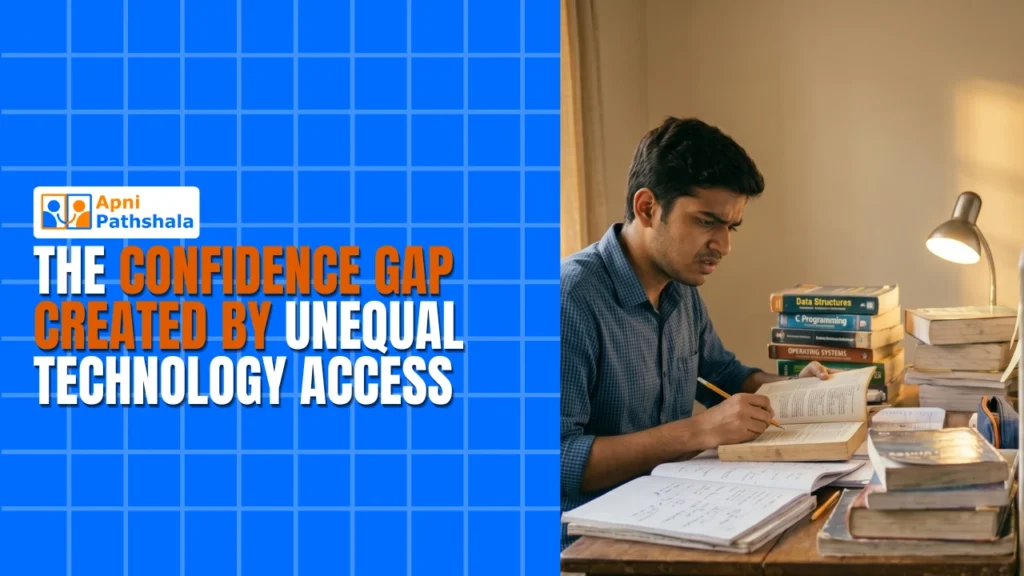
Kavya and Tanya study in the same school. Same class. Same teachers. Same textbooks. But there is one difference that shapes everything else. Kavya has a computer at home. Tanya does not.
When the teacher assigns a digital project, Kavya finishes it in an hour. She types her answers, adds a chart, and submits it confidently. Tanya pays ₹50 at a cyber cafe, struggles with the keyboard for forty minutes, and submits something she is not proud of. When the teacher asks the class to present using slides, Kavya opens her laptop and walks through her work. Tanya sits quietly, hoping she will not be called.
Same school. Same marks. Completely different levels of student confidence. The gap is not about talent. It is about access. And it is growing every year.
How Education Inequality Creates the Confidence Gap
Education inequality in India is usually discussed in terms of school quality. Government schools versus private schools. Rural schools versus urban schools. But there is a quieter inequality happening inside the same classroom. The inequality between students who have a computer at home and those who do not.
A student with a computer practises digital skills every day without thinking about it. They type, search, create, and explore as naturally as breathing. By the time they reach Class 10, they are comfortable with every digital tool a teacher throws at them.
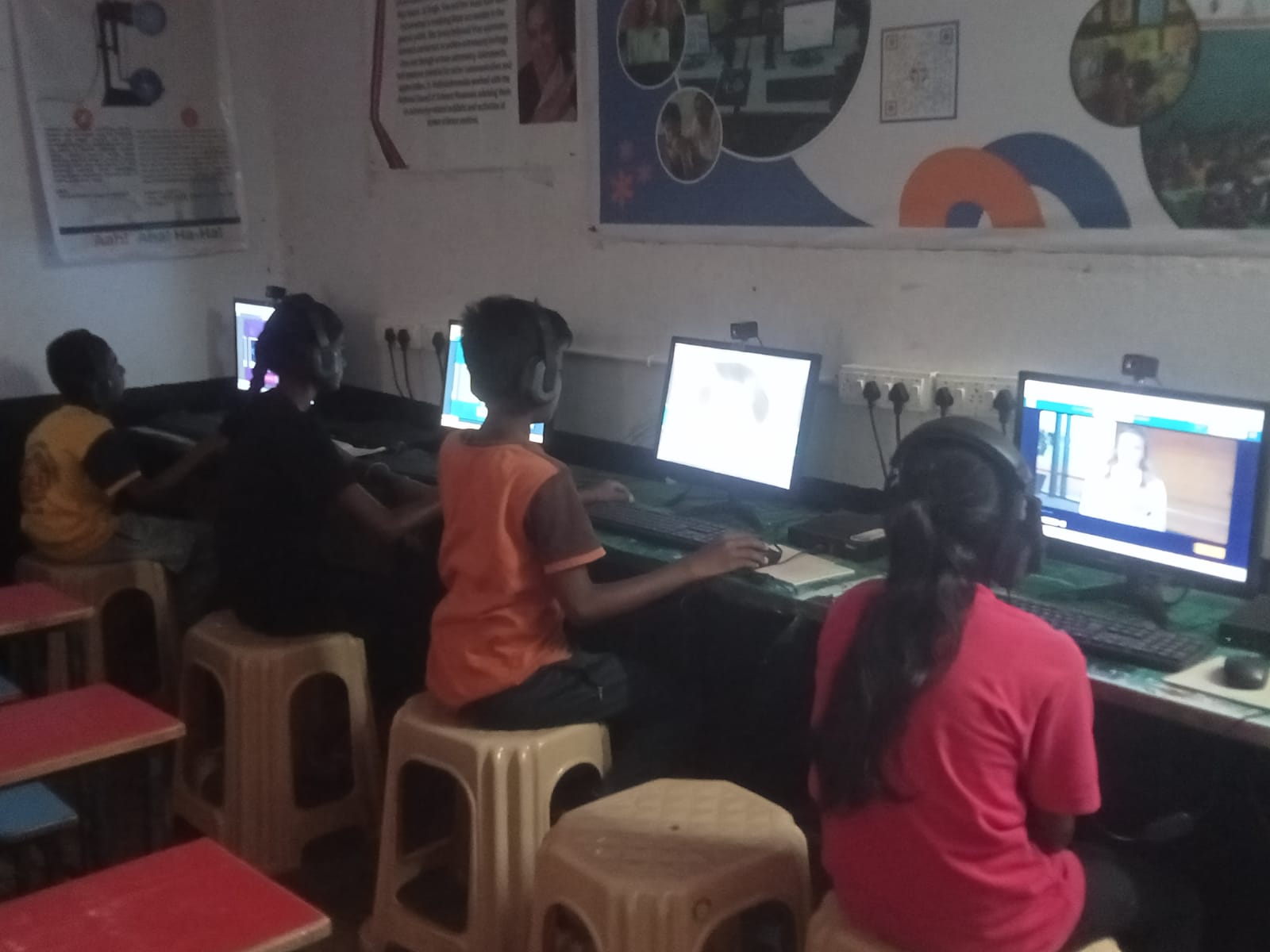
A student without a computer encounters digital tools only in the school’s computer lab, which they visit once a week for forty minutes. They share a machine with three other students. They do not get enough time to explore. By Class 10, they are still nervous about opening a spreadsheet.
The confidence gap is not about intelligence. It is about repetition. The student who uses a computer daily builds familiarity. Familiarity builds confidence. Confidence builds performance. And performance builds even more confidence. It is a cycle that compounds over years.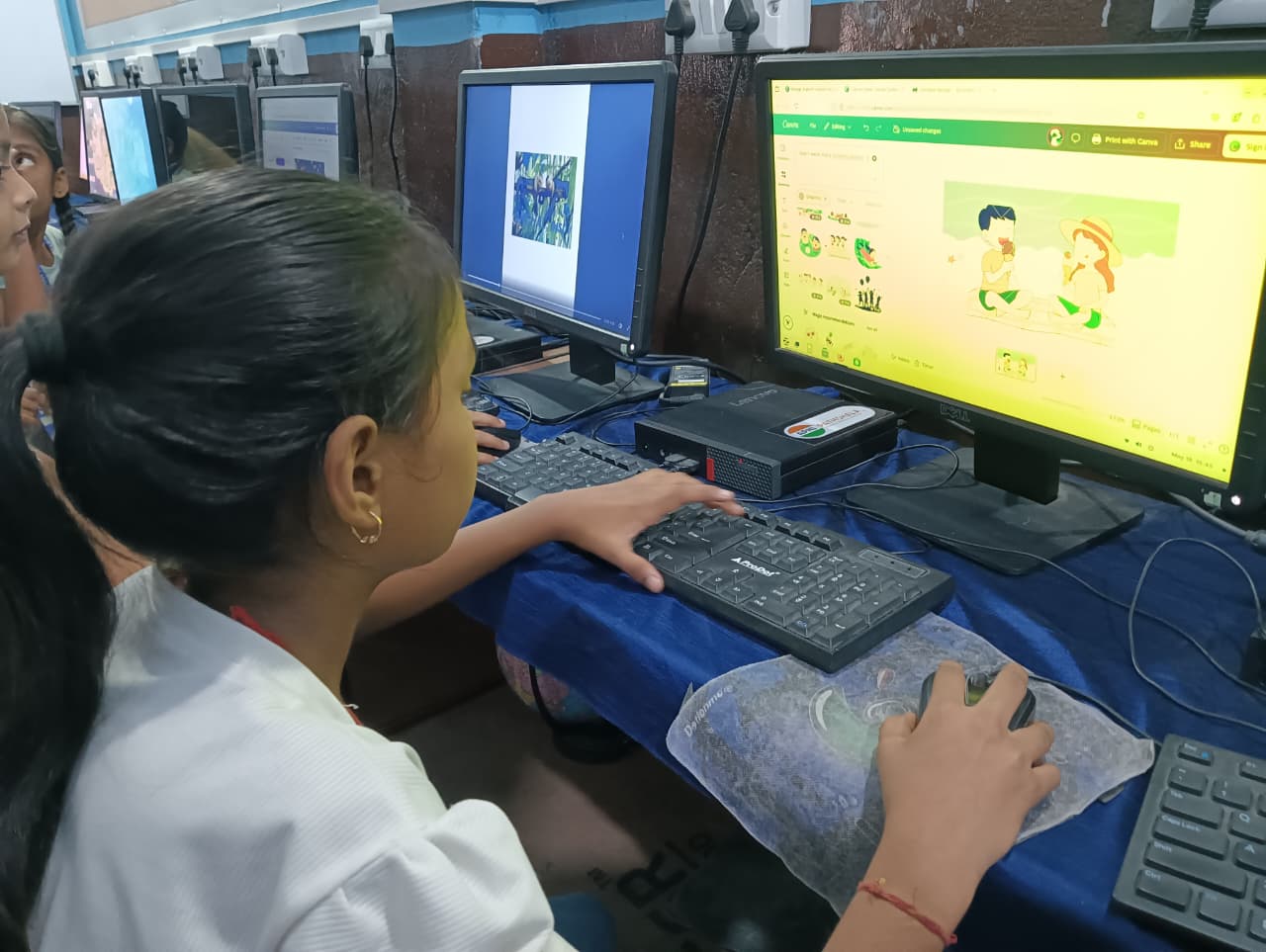
Why Digital Access for Students Is a Confidence Issue?
Most parents think of digital access as a convenience. A nice-to-have. Something their child will learn eventually. But digital access for students is not about convenience. It is about how a child sees themselves in the classroom.
A student who can type confidently raises their hand when the teacher asks someone to take notes on the board. A student who cannot type sits quietly, hoping they will not be embarrassed. A student who knows how to research online volunteers for group projects. A student who does not know stays in the background.
These small moments add up. Over months and years, the student with digital access becomes the one who volunteers, who leads, who speaks up. The student without access becomes the one who stays quiet, who follows, who hopes to not be noticed. The gap is not about knowledge. It is about how a child feels about their own abilities.
A personal computer helps students learn beyond the school curriculum. But more importantly, it helps a child believe they belong in the room.
Confidence Building in Students Starts With Familiarity
Confidence building in students is not about motivational speeches or positive affirmations. It is about giving a child enough practice with a tool that they stop being afraid of it. A computer is the most important tool in modern education. The child who is familiar with it is confident. The child who is not familiar with it is anxious.
When a student uses a computer at home for even thirty minutes a day, they build thousands of small interactions. They open applications. They save files. They search for information. They type documents. They create presentations. Each interaction is tiny. But together, they build a comfort level that shows up in every classroom activity involving technology.
The student who has never used a computer at home does not have this comfort. Every digital task feels unfamiliar. Every click feels risky. Every new application feels overwhelming. The anxiety is not about the task. It is about the tool. And the tool is something they have never had the chance to master.
The biggest advantage a student can have today is not marks. It is the quiet confidence that comes from knowing you can handle any digital tool put in front of you.
What Parents Can Do Right Now?
You cannot change the school system overnight. You cannot make the government provide computers to every student. But you can change what happens in your own home.
Give your child a computer. Not a shared family phone. Not a borrowed laptop. A machine that is theirs. That they can use every day. That they can explore on their own without asking for permission.
The change will not happen overnight. But within a few weeks, you will notice something. Your child stops hesitating when they see a computer. They stop asking “how do I do this?” They start figuring things out on their own. They start showing you what they built. They start talking about their projects with pride.
That pride is confidence. And that confidence comes from familiarity. And familiarity comes from access.
Education inequality is real. But the solution for your child is simpler than you think. A computer, ₹21,000, and the freedom to use it. That is all it takes to close the confidence gap in your household.
Apna PC comes pre-loaded with Scratch, LibreOffice, VS Code, Blender, and Arduino IDE. At ₹21,000, it gives your child the tools to build the confidence that every student deserves. Visit apnapc.com to learn more.