

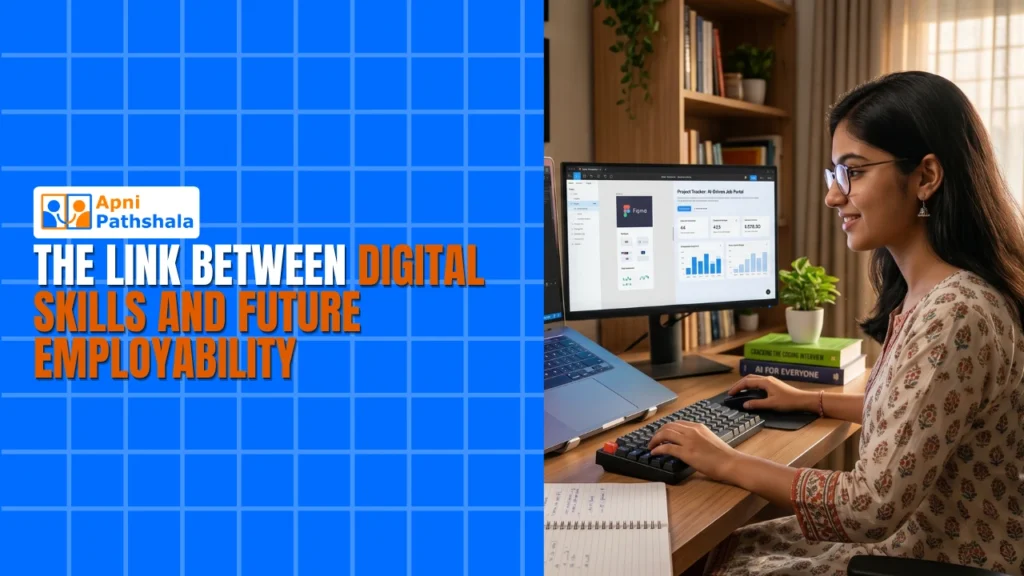
Last month, a placement drive at a Pune college saw 200 students compete for 15 positions at a mid-size IT company. The company did not ask about textbook formulas. They asked candidates to analyze a dataset in a spreadsheet, create a presentation from raw data, and write a professional email. Fifteen students could do it. The rest had never done any of these things on a computer.
The students who got the jobs were not the highest scorers. They were the ones with digital skills for students that most colleges do not teach. This is the reality of the job market in 2026. Marks open the door. Digital skills decide whether you can walk through it.
Employability skills are no longer about what you know. They are about what you can do with a computer. And the students who start building these skills early are the ones who will have real options when they graduate.
What Employers Actually Want?
Most parents believe that good marks lead to good jobs. That was true twenty years ago. Today, employers care less about percentages and more about what a candidate can produce.
A company hiring a marketing graduate wants to know if they can manage a social media dashboard, analyze engagement data in a spreadsheet, and write clear copy. A company hiring an engineering graduate wants to know if they can use version control, debug code, and document their work properly. A company hiring a commerce graduate wants to know if they can use accounting software, generate reports, and present findings clearly.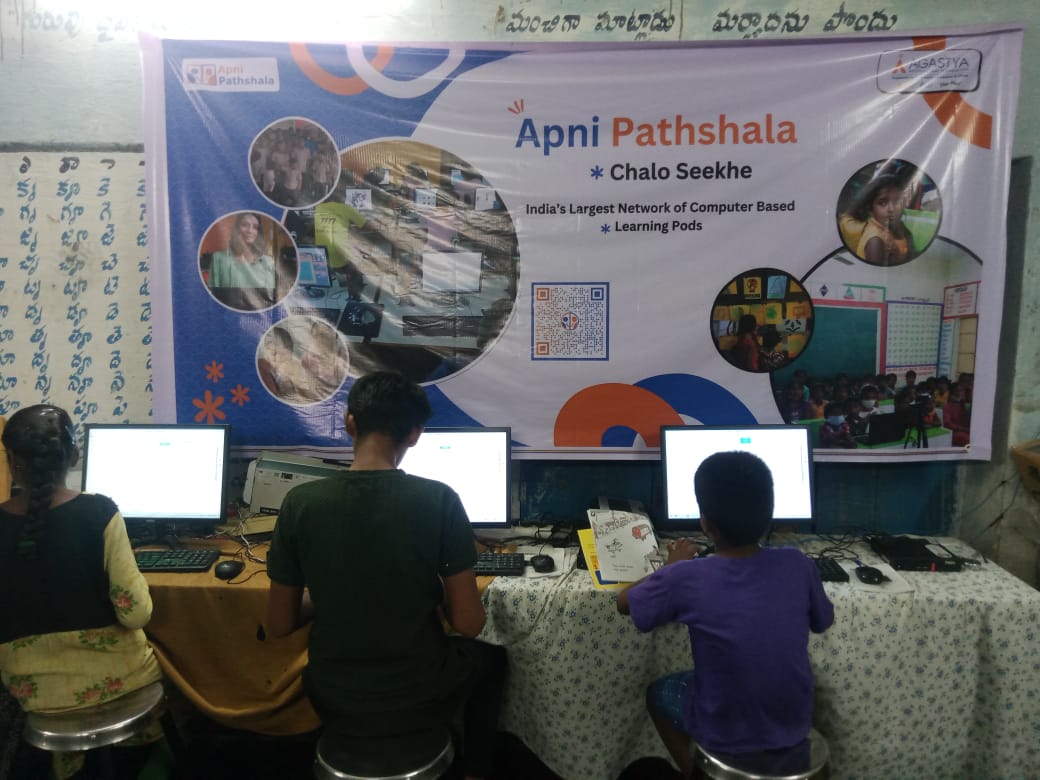
None of these skills are taught in most Indian colleges. They are learned by doing, by using a computer to build real things, solve real problems, and create real work. The students who arrive at college already comfortable with these tools have a massive advantage over those who are seeing them for the first time.
Future-Ready Skills Are Built, Not Memorised
Future-ready skills are not about learning one specific software. They are about learning how to learn new tools quickly. A student who taught themselves to use a spreadsheet at 14 can learn new accounting software at 22. A student who built a website at 13 can learn a new design platform at 20. The specific tool does not matter. The ability to pick up any tool and figure it out does.
This is what separates digitally confident students from the rest. They do not panic when they see a new interface. They do not freeze when asked to use a tool they have never seen before. They explore, click around, and figure it out. That confidence comes from years of practice, not from a single-semester course.
A personal computer helps students learn beyond the school curriculum. And the most important thing it teaches is how to adapt to new tools and new ways of working.
Job Skills for Students Start at Home
Most Indian families wait until college to think about job skills. By then, the student is competing with peers who have been using computers since Class 5. The gap is real, and it is hard to close in four years.
A student who starts using a computer in Class 6 has six years of practice before college. They know how to type, how to organize files, how to search for information, how to create presentations, and how to use a spreadsheet. These are not advanced skills. These are basic job skills for students that every employer expects.
The student who touches a computer for the first time in college spends their first year learning what a file manager is. They spend their second year figuring out how to format a document. By the time they are ready to learn real skills, their peers are already building portfolios, internships, and projects.
The biggest advantage a student can have today is not marks. It is the ability to sit in front of a computer and produce something useful without hesitation. That ability is built over years, not weeks.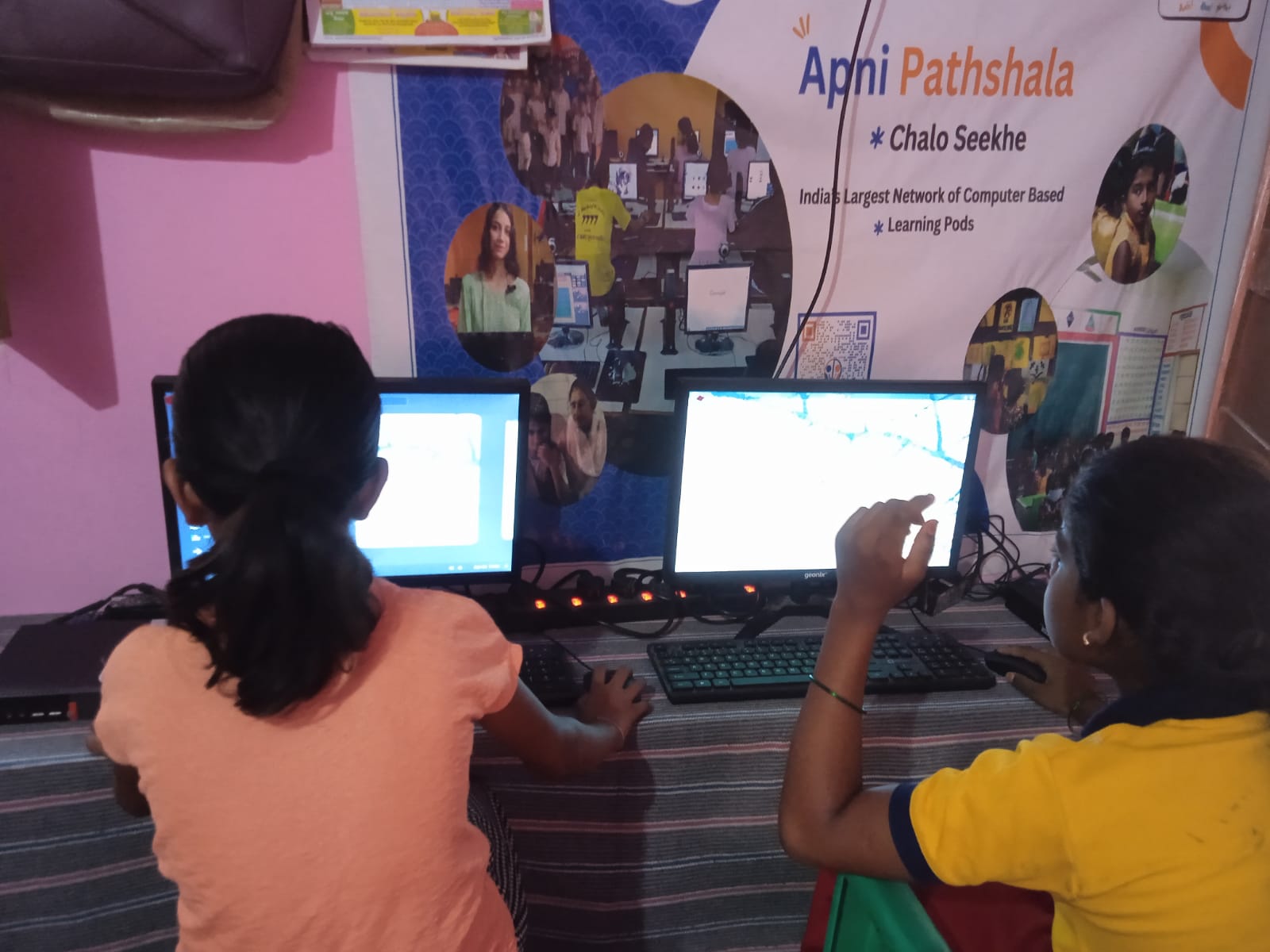
What Parents Should Do Right Now?
You do not need to predict which career your child will choose. You do not need to enroll them in specialized courses. You need to give them a computer and let them build comfort with it.
Start with the basics. Typing, document editing, spreadsheet navigation, and internet research. These four skills alone put a student ahead of 80 per cent of their peers when they reach college.
Then let them explore. If they want to make a presentation, let them. If they want to try coding, let them. If they want to design a poster, let them. Every interaction with a computer builds employability skills that textbooks cannot teach.
Digital skills for students are not a luxury. They are the foundation of future employability. A student who is comfortable with a computer is ready for any career. A student who is not comfortable with a computer is limited in every career.
Apna PC comes pre-loaded with LibreOffice, Scratch, VS Code, Blender, and the Arduino IDE. At ₹21,000, it gives your child everything they need to start building the skills that actually matter in the job market. Visit apnapc.com to learn more.