

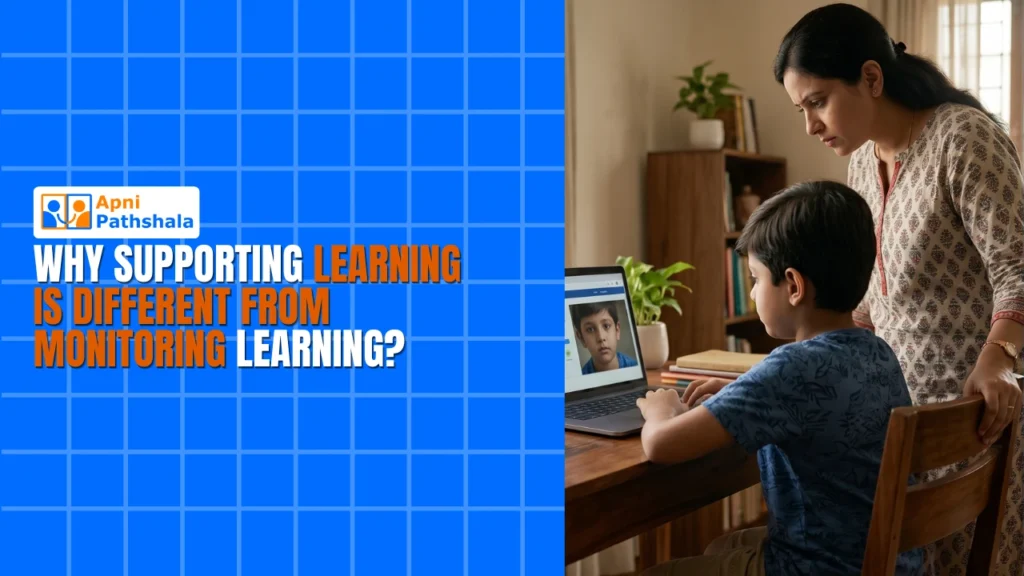
Most parents strive to do what is best for their child. When exams approach, they sit closer, verify every answer, and ask about marks each evening. It comes from love; there is no question about that. But love and effective support are not always the same thing. Genuine parent involvement in education goes much deeper than checking whether tasks are completed. It is about building a relationship with the way your child learns, and that relationship looks very different from constant supervision.
The Difference Between Monitoring and Real Support
Monitoring means tracking outcomes. It sounds like “Did you finish your homework?” “What marks did you get?” “Why did you fail this test?” These questions focus on results, and they put pressure on the child to perform rather than to understand.
Supporting means engaging with the process. It sounds like “What did you learn today?” “Is there anything that confused you?” “Let us figure this out together.” These questions invite the child into a conversation instead of putting them on trial.
A child who is monitored learns to meet expectations. A child who is supported learns to think. One produces temporary results. The other builds a lifelong learner.
According to NCERT (National Council of Educational Research and Training), self-regulation in learning, the ability to plan, track, and evaluate one’s own progress, is one of the most important skills a student can develop. Children’s ownership of their learning fosters the growth of that skill. Constant monitoring takes that space away before it can form.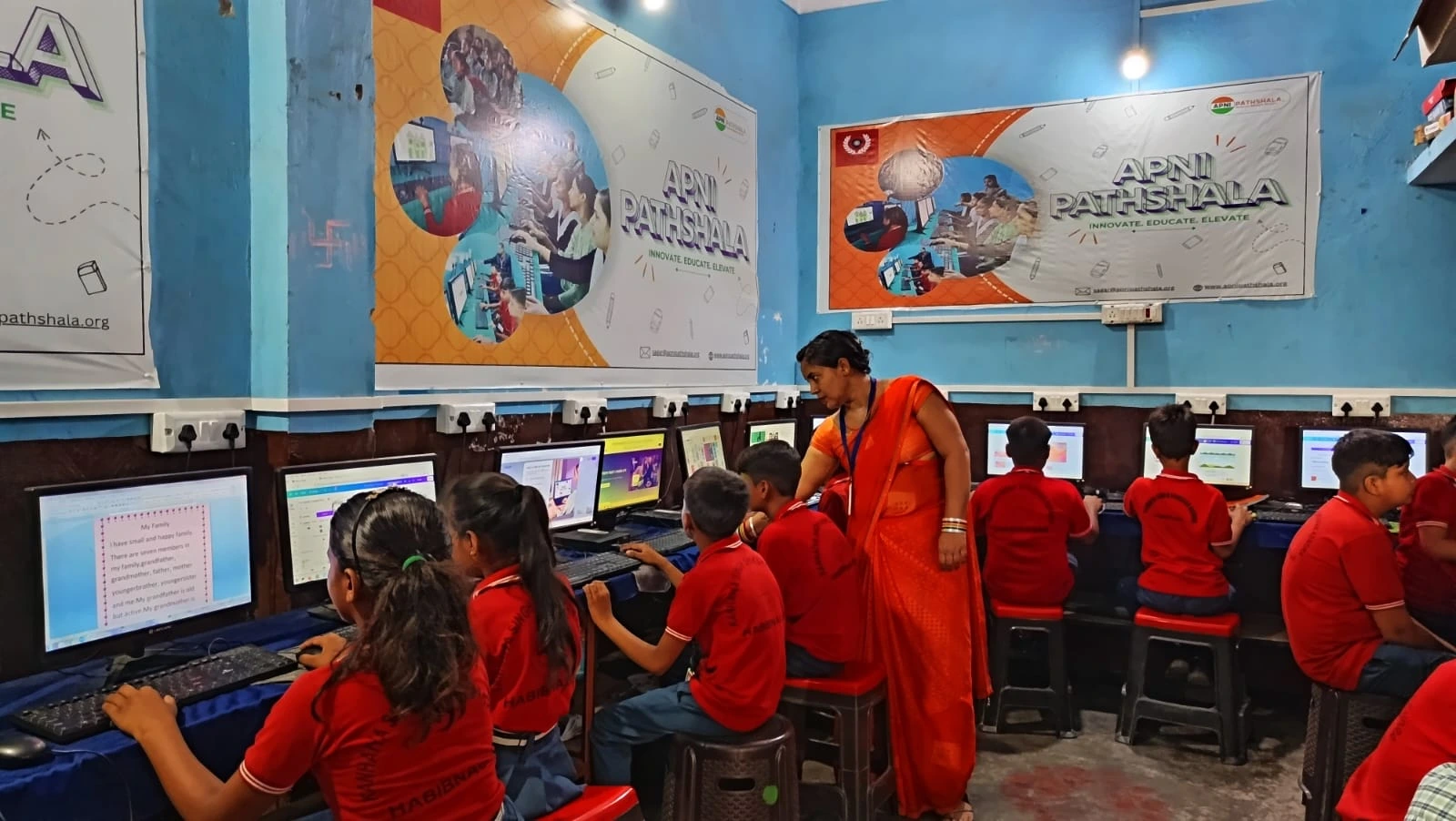
What Parental Support in Learning Really Looks Like?
Parental support in learning is not passive. It does not mean stepping back completely. It means being present in the right way, available without being controlling and interested without being anxious.
Here is what genuine support looks like at home:
- Asking open questions —”What was the hardest part of today’s lesson?” rather than “Did you study?”
- Sitting nearby without hovering or correcting every line
- Helping build a study routine together, rather than enforcing one with pressure
- Celebrate your child’s effort and improvement, not just their scores.
- Listening when your child talks about school, even when it is not about academics
Children who feel emotionally supported at home consistently perform better at school. Not because their parents studied with them, but because they felt safe enough to try, fail, and try again. That comfort, knowing you will not be punished for struggling, is what makes genuine learning possible.
Why Child Learning at Home Depends on the Environment?
A large share of every student’s actual learning happens outside school. Evening revision, weekend reading, exam preparation, and child learning at home are a huge part of education. And the quality of that learning depends heavily on what the home environment feels like.
A tense, pressured environment shuts curiosity down. A calm, interested environment opens it up.
Small things make a real difference:
- A fixed, quiet spot for studying, not a shared table during dinnertime
- A consistent schedule the child understands and agrees to, not one imposed on them
- Access to tools they can use independently, books, notes, and a reliable device
- A parent who checks in with warmth rather than worry
This situation is where having a personal learning device matters more than most parents realize. When a child has their own computer, they can look things up, watch explanations, practice problems, and explore topics at their own pace, without depending on you to answer every question. That independence is precisely what turns monitoring into real support. Learn more about how a personal computer helps students learn beyond what the classroom offers.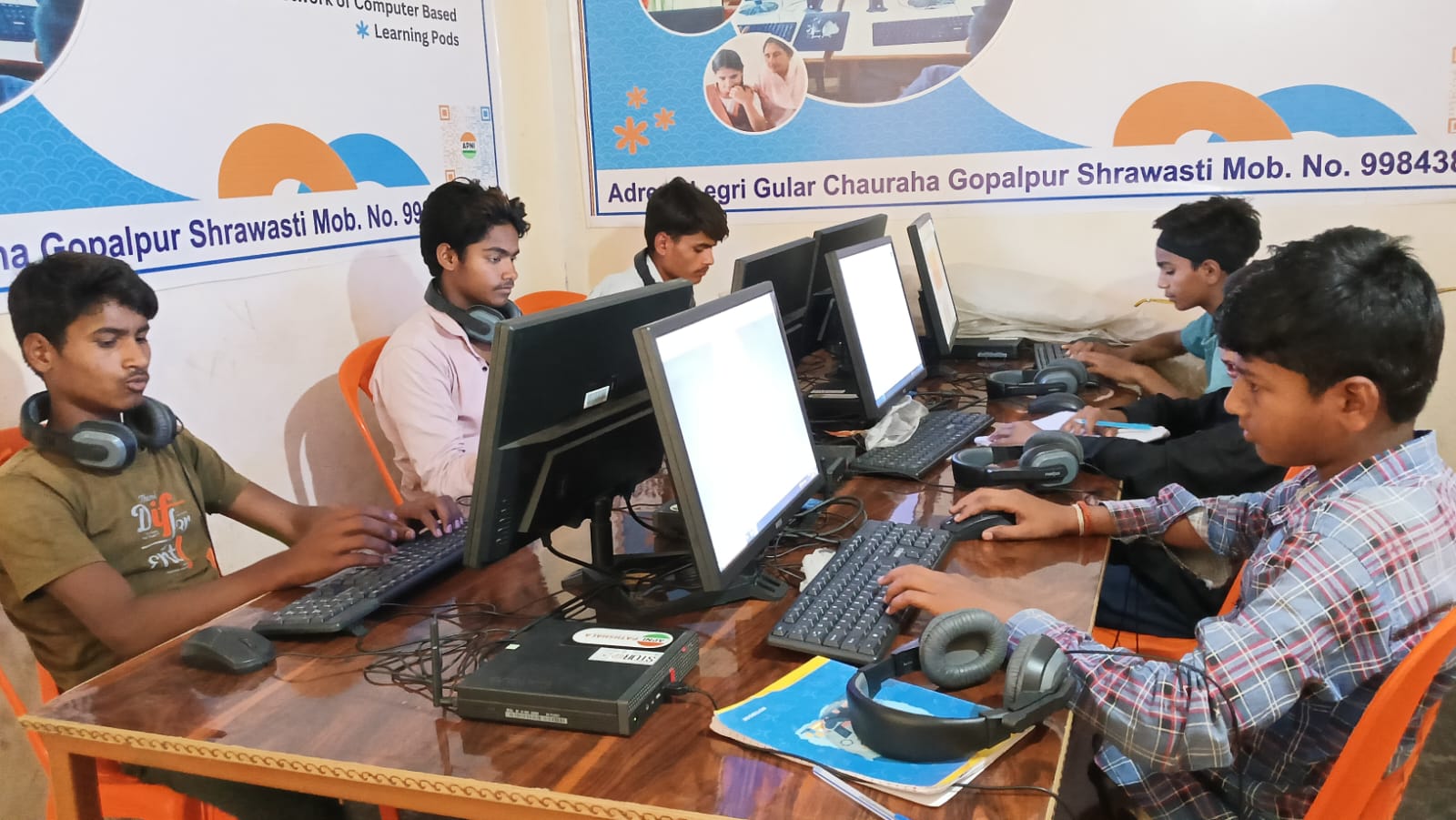
Student academic support should focus on building confidence.
Real student academic support begins with trust. When a child trusts a parent to help, not just track grades, they admit what they don’t understand. That honesty is where progress begins. A child who says, “I do not get this,” is a child who can be helped.
According to the UNICEF India education report, children from emotionally supportive home environments show stronger motivation and academic outcomes across all income levels. The deciding factor is not money or resources; it is the quality of adult relationships around the child.
You do not need to understand your child’s textbooks to support them. What matters is that you are curious, patient, and present. Ask questions. Admit when you do not know the answer. Learn alongside them. That models something more valuable than any subject: that learning is a lifelong habit, not a childhood task to get through.
Find out the biggest advantage a student can have today and why it has nothing to do with marks.
If your child needs the right environment and tools to learn well at home, Apna PC gives them exactly that, an affordable computer at ₹21,000 (shipping and GST excluded), built for Indian students who deserve a real shot at their potential. Visit apnapc.com to learn more.