

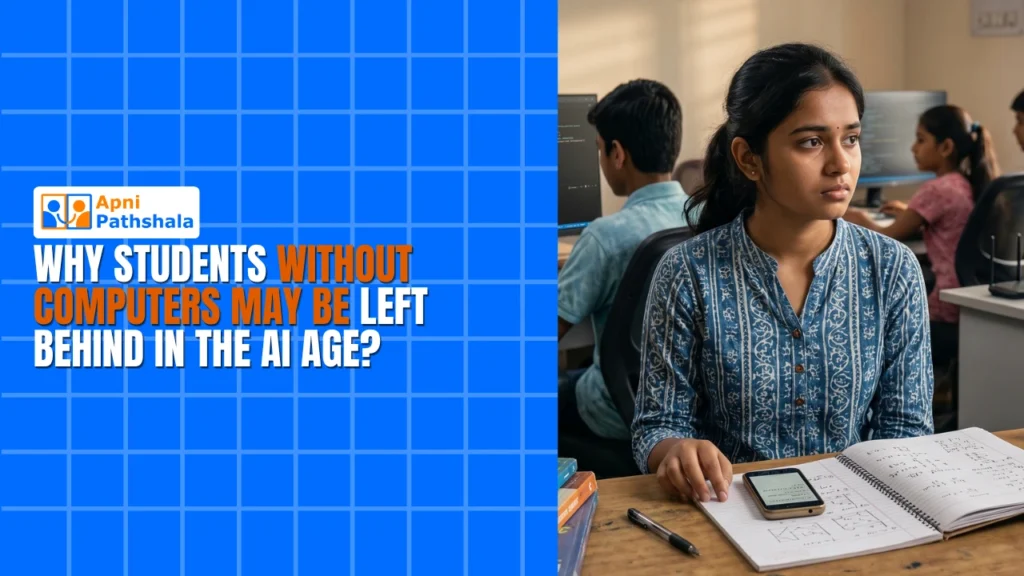
There is a quiet divide growing in Indian classrooms today. On one side are students who have a computer for students’ learning at home, practicing every day, building digital habits, and getting comfortable with tools that will define their future. On the other side are students who don’t. The AI age is not a prediction anymore. It is already here. And the gap between these two groups is widening faster than most parents realize.
What Is the AI Age Already Asking of Students?
AI education for students is no longer something reserved for elite schools in big cities. Online exams are replacing paper tests across India. AI-powered study apps are becoming part of the daily routines at schools and coaching centres. Digital homework, virtual classroom tools, and e-learning platforms are being built into the way Indian education works at every level.
Students who use a computer regularly are building a quiet but powerful advantage. They get comfortable navigating digital platforms, typing fluently, searching for answers effectively, and managing files and content on their own. These habits feel small in isolation, but they compound. A student who uses a computer daily for five years arrives at board exams and college admissions with a fluency that cannot be replicated by a few sessions in a school computer lab once a week.
A student without that daily access? They are spending time catching up while their peers are already moving ahead.
How Digital Access Shapes the Depth of Learning
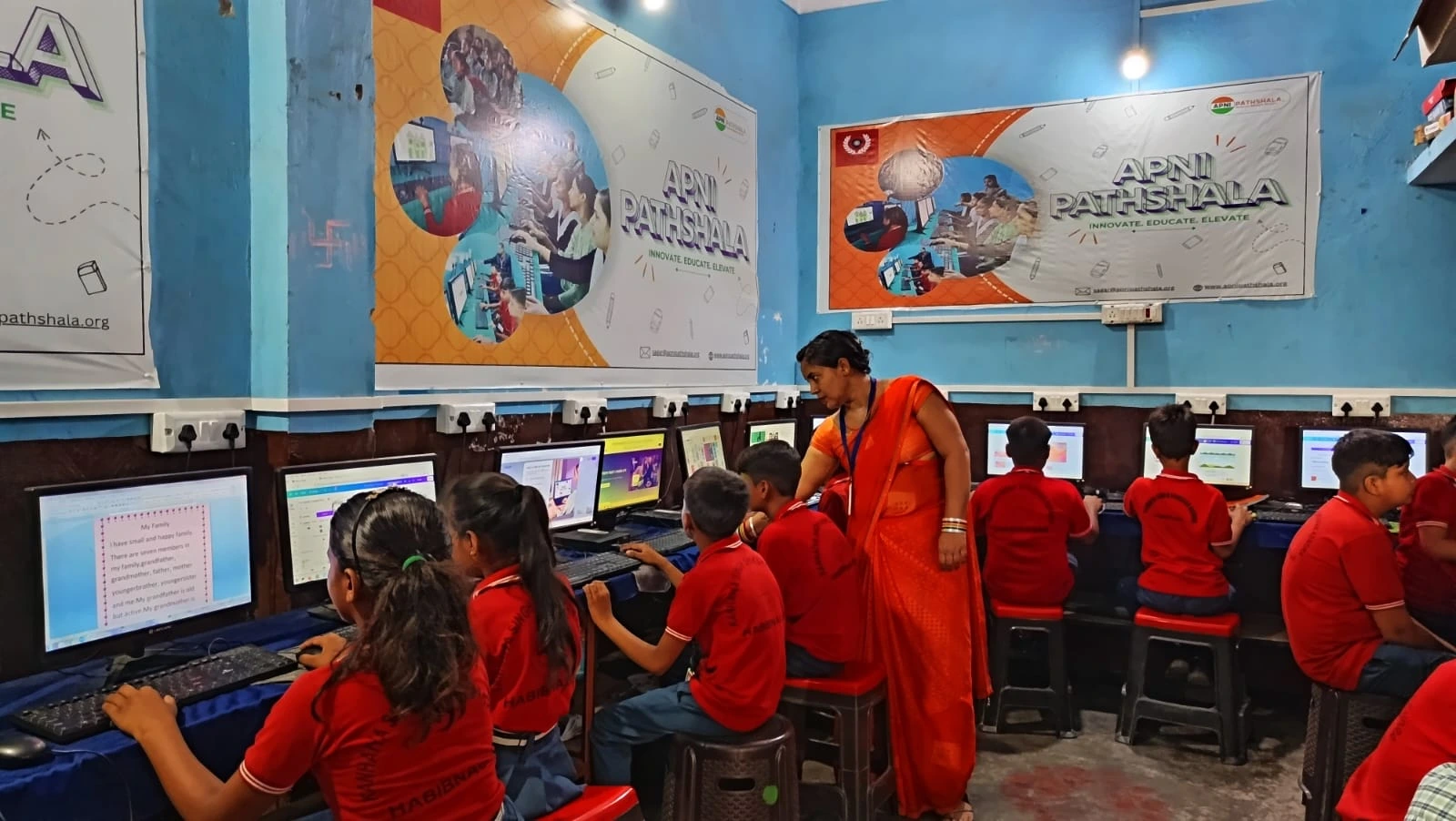
Digital access for students is about more than just having the internet. It refers to the quality and depth of learning that can be achieved when a student has a dependable computer that they can use independently, at their own pace, without having to wait for their turn.
With a personal computer at home, a student in a small town in UP or Rajasthan can watch lectures from the country’s best teachers. They can explore topics that their textbook does not cover. They can access resources backed by UNESCO global education research, freely available content that puts Indian students on the same footing as learners in much wealthier countries.
Without a computer, that same student depends entirely on the classroom, the textbook, and maybe a shared family phone with limited data and a small screen. The difference shows up not just in exam results but in confidence. Students who regularly learn on a computer figure things out independently. They become used to solving problems, finding answers, and teaching themselves new skills. That independence is worth far more than any single test score.
The Future Skills Every Student Needs to Start Building Now
Ask any employer, college counselor, or working professional what future skills for students actually matter in the age of AI. The answer is consistent: critical thinking, digital communication, the ability to research and evaluate information, and the confidence to learn unfamiliar tools quickly.
Consistent computer use enables a student to develop all of these skills through daily practice, rather than direct instruction. They learn to search and obtain reliable information. They learn to write and communicate through typed documents. They build problem-solving habits by working through small tech challenges on their own.
India’s DIKSHA, India’s national digital learning platform already offers thousands of lessons and resources across every grade and subject. But a student needs a working computer to genuinely benefit from it, not a five-minute window on a shared device at school, but their own computer at home where they can learn freely whenever they want.
Read more about How a Personal Computer Helps Students Learn well beyond what a classroom alone can offer.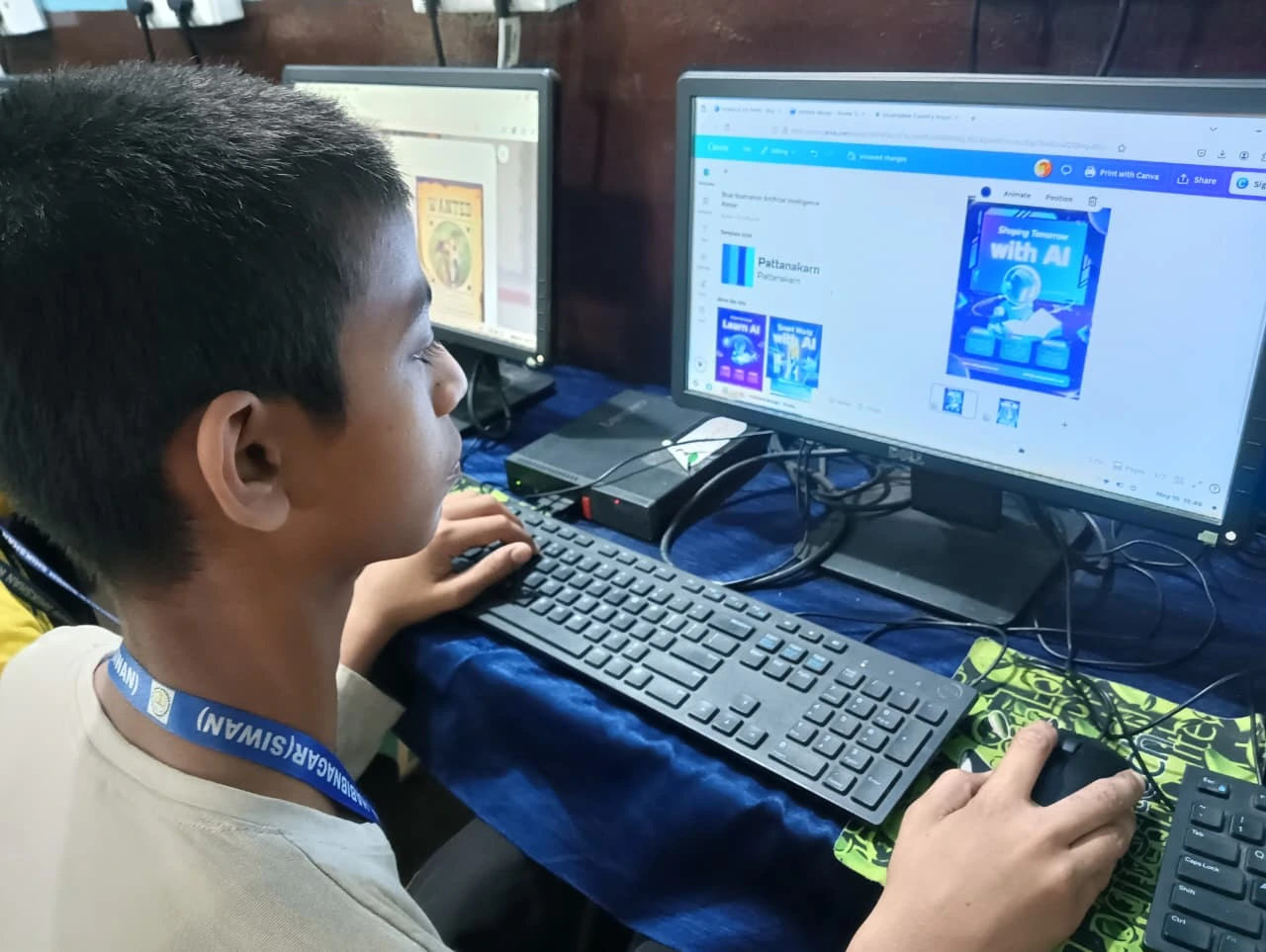
Why Waiting Is the Most Expensive Choice a Family Can Make?
Many families plan to buy a computer “later,” once exams are done, once savings allow, or once the student is older. But every year without a computer is a year of missed daily practice. Skills build on skills. Confidence builds on experience. There is no shortcut to the hours logged.
A student who uses a computer from class 6 onwards arrives at higher education with years of digital fluency already built up. A student who gets their first computer in class 11 is starting the clock right when the pressure is highest and the time to build those habits is shortest.
Apna PC is built to close exactly this gap. It gives Indian students, whether in a metro or a smaller town, an affordable, education-ready computer designed for everyday learning. At ₹21,000 (shipping and GST excluded), it puts a capable, reliable device within reach for families who want better tools for their children without stretching their budget too far.
Find out Why Every Indian Student Needs Their Own Computer, and how starting early can change what a student believes is possible for themselves.
The AI age will not pause for students who are not ready. Give your child a computer they can use every day to learn, grow, and stay ahead. Visit apnapc.com to learn more.