

Most families treat a computer as a reward, something a child earns after performing well. However, the relationship between technology in education and a student’s growth reverses. Students don’t grow first and then receive access. Access comes first, and growth follows. When a child has their device at home, the way they approach learning changes completely. The habit forms slowly. The confidence builds quietly. And the difference shows, not in marks alone, but in how they think, explore, and handle new challenges.
What Device Access Really Means for a Student?
When most people say “device access,” they picture a shared family phone or a school computer lab that opens twice a week. But real computer access for students means something specific: a personal device that is available whenever learning needs to happen, not when a parent’s work shift ends, not when a sibling finishes gaming, and not on a fixed school schedule.
This availability matters more than most parents realize. A student who wants to revise a difficult concept at 9 PM, practice a skill during a holiday, or simply follow a curious thought on a Sunday afternoon cannot do any of this without their device. Every time they have to wait, borrow, or ask permission, the learning impulse fades. And learning impulses don’t come back on demand; they disappear into other distractions.
Shared devices don’t just create inconvenience. They disrupt the learning habit before it can fully establish itself. One missed session here, one postponed revision there, and what should have become a daily practice simply never forms.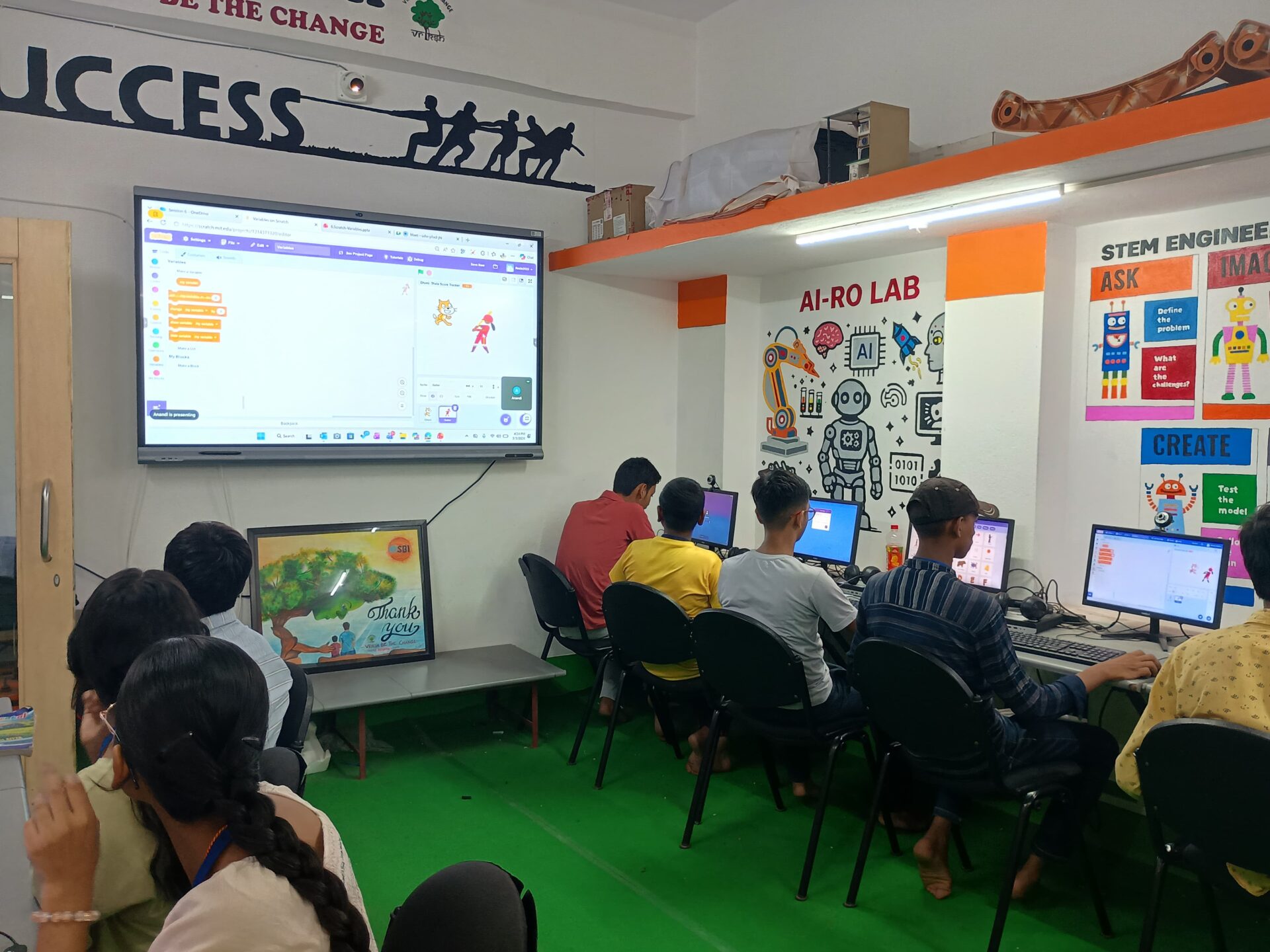
How Technology Shapes Student Growth Over Time?
Student growth and learning are not single events. They are patterns, built over months of small, consistent effort. A student who sits down to learn regularly, not because they are told to but because the habit exists, is developing something far more valuable than subject knowledge. They are building curiosity, self-direction, and the confidence to solve problems on their own.
Technology, used well, accelerates this process in ways that are hard to replace. A student with consistent access to their computer starts revisiting lessons without being prompted. They search for explanations when something doesn’t make sense. They practice typing, structure their thoughts in writing, and develop an instinct for finding reliable information. None of these skills are formally taught; they are built across hundreds of small daily sessions.
Understanding What Is Apna PC and how it is designed for Indian students shows exactly why a purpose-built device creates a different outcome from shared or secondhand alternatives.
India has built strong digital learning infrastructure. Materials from NCERT (National Council of Educational Research and Training) and assessments tied to the Central Board of Secondary Education (CBSE) are freely available online. But they are only useful to students who have a device at home and can use it regularly. Without a device and the freedom to use it, these resources remain only on paper and never become part of a student’s daily life.
The Digital Education Benefits That Actually Stay With a Student
The real digital education benefits are not about apps or features. They are about the behaviors that regular computer use builds over time. A student who uses a computer consistently for learning becomes more thorough, more self-reliant, and more confident than one who only reads textbooks, not because of any single tool, but because of the habit of daily exploration.
They learn how to search for information rather than waiting to be handed it. They develop an eye for sources that are trustworthy and those that are not. They write more clearly because they type more often, and they think more critically because they are exposed to a wider range of ideas and perspectives.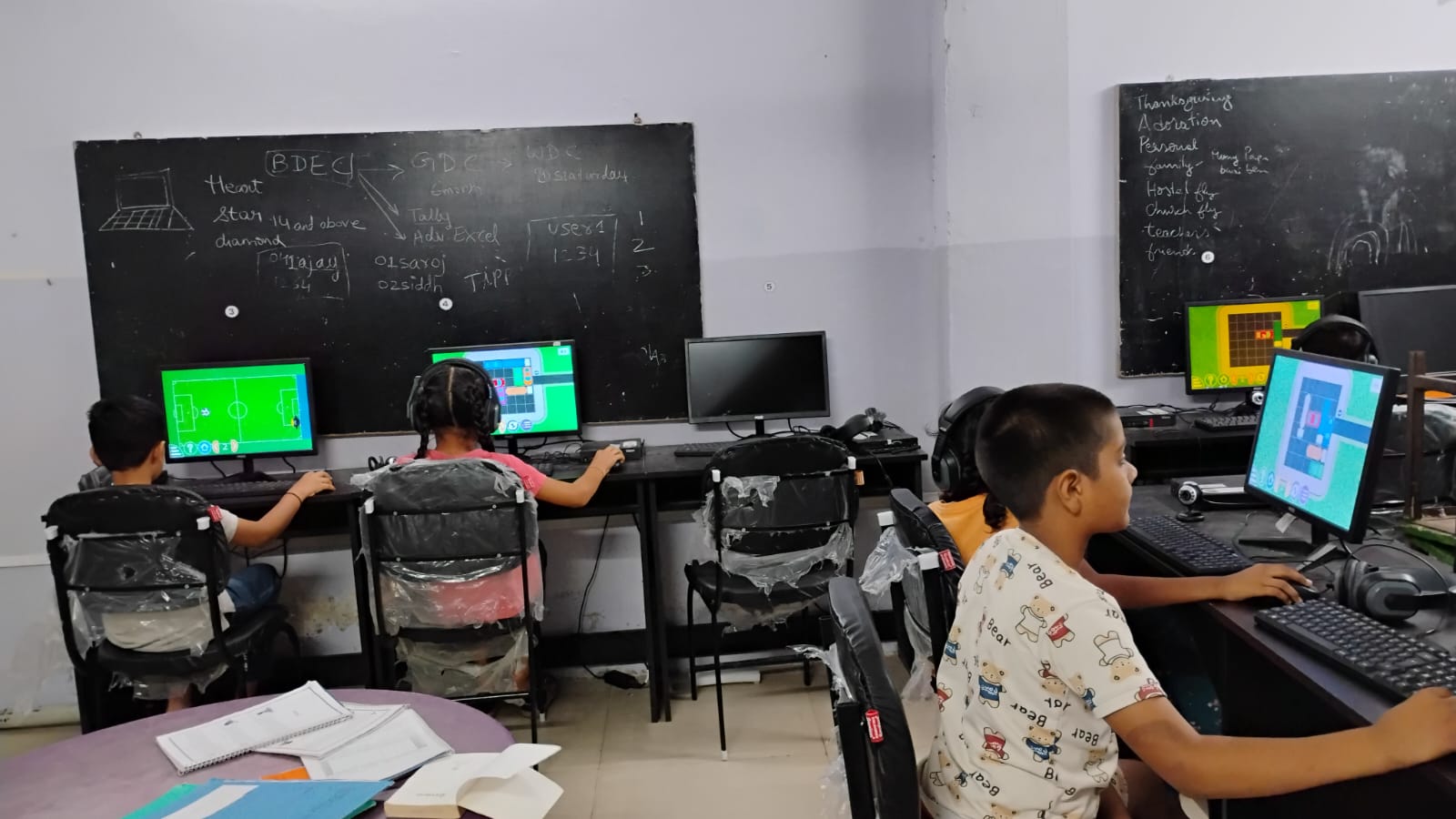
These are not soft skills. They are exactly the abilities that universities, competitive exam boards, and employers test for and value. For students in Tier 2 and Tier 3 cities in India, this gap is particularly significant. Without a personal device at home, they are competing against students who have had years of consistent access, students who have quietly built these habits without anyone calling it an advantage.
Why Choosing the Right Device Is the First Step?
Many families make a common mistake when they finally decide to buy a computer. They pick a gaming machine, an old office hand-me-down, or a cheap refurbished model not designed for children. The result is either a device that distracts or one that breaks down within months.
Apna PC is built for Indian students. At ₹21,000 (shipping and GST excluded), it handles curriculum tools, online classes, typing practice, and study apps without trouble. It is stable, simple, and education-focused, built to last and designed without the features that pull a student’s attention away from learning.
Schools, NGOs, and parents across Tier 2 and Tier 3 cities have adopted it because it solves the real problem: giving a student a device they can call their own. As the article on The Biggest Advantage a Student Can Have Today points out, consistent access to the right tools is what quietly separates learners who grow from those who stay stuck at the same level year after year.
If you are contemplating your child’s long-term education and future, device access is where it begins. Not extra coaching. Not more pressure. Just a personal, reliable computer they can learn on every single day. Visit apnapc.com to learn more.