

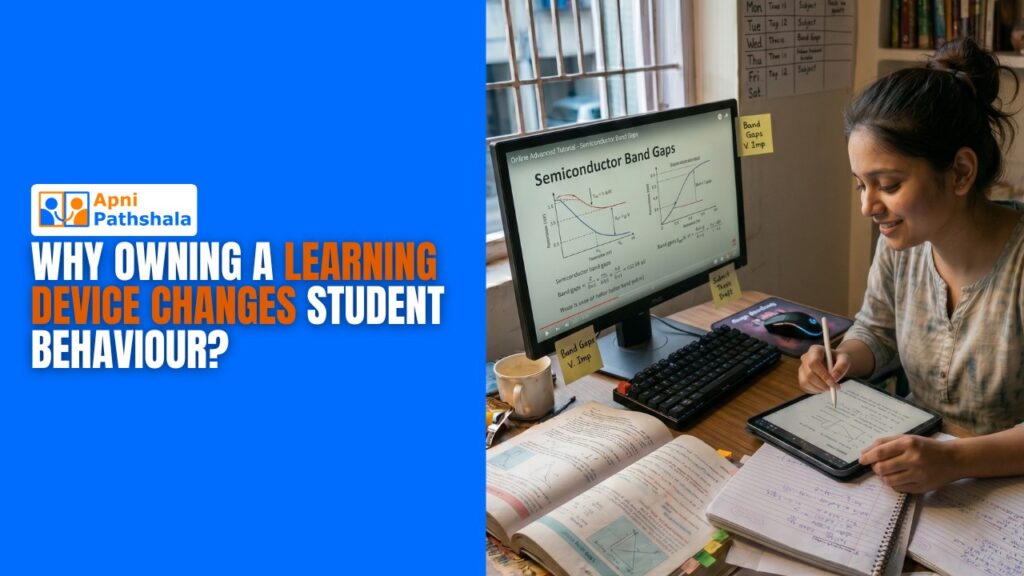
Many students in India want to study hard but find it difficult to be consistent. They rely on a shared family phone, wait for their turn at a sibling’s device, or simply go without. This makes studying feel like a privilege rather than a daily practice. Having a dedicated learning device for students changes that, not just practically, but in how they think, plan, and behave each day.
More Than a Tool, It Becomes a Routine
When a student gets their own computer, something shifts. They no longer see study time as borrowed or rushed. The device is on their desk, always ready. Over days and weeks, sitting down to study stops being a decision and becomes a habit.
This is how behaviour changes, not through lectures or discipline charts, but through an environment where the right choice is also the easy choice. A student who has to borrow a phone for one video lesson will always study less than a student who can open their laptop, pause, rewind, and revisit anytime.
Students with personal devices spend significantly more time on independent study than those using shared family devices. The device doesn’t just give them content, it gives them time, focus, and a real sense of ownership over their learning journey.
Ownership builds accountability, too. The device is theirs. Their notes, bookmarks, and downloaded resources, all in one place. That sense of ownership creates responsibility in a way that shared devices simply cannot.
Digital Learning Tools Build Active, Independent Learners
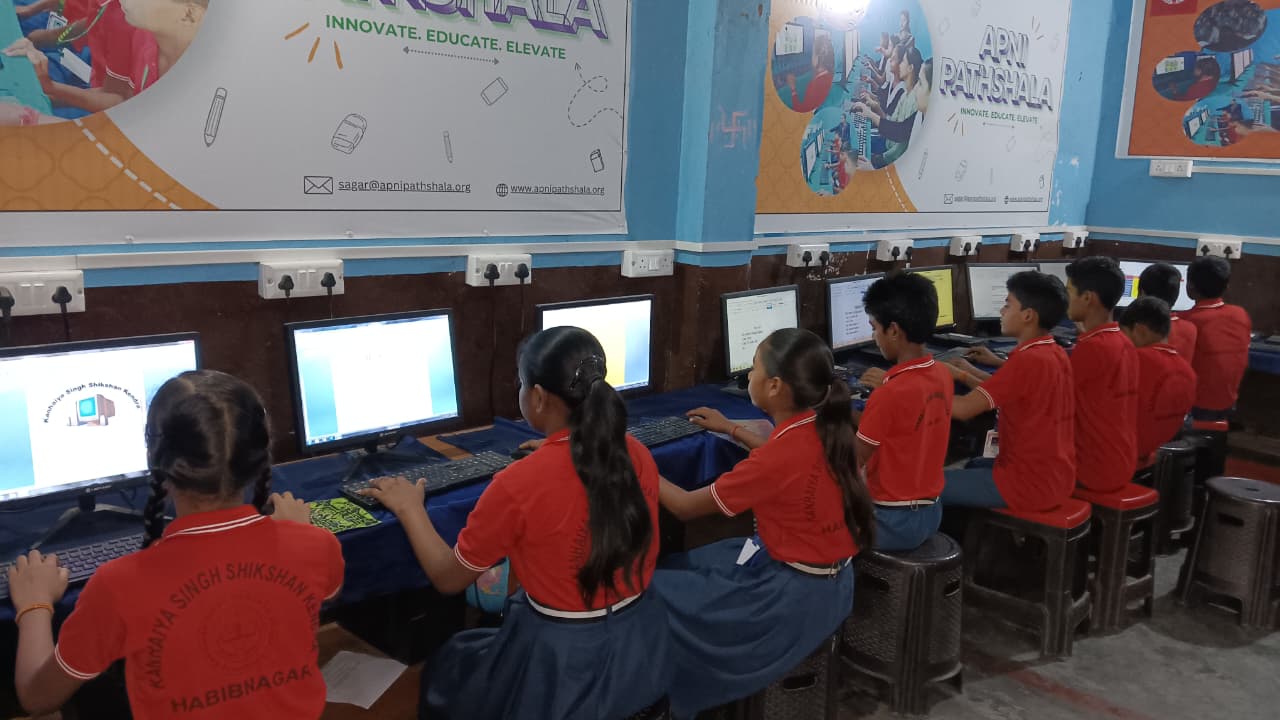
Access to digital learning tools is not the same as access to entertainment. When a student’s primary use of a device is learning, watching concept videos, practising typing, reading, and researching, their relationship with the screen changes entirely.
They stop being passive consumers and start being active learners. They search for answers rather than guess. They explore topics beyond the textbook. They organise folders, save notes, and build their own study system over time.
Government platforms like DIKSHA India’s national digital learning platform offer free curriculum-aligned content across subjects and languages. A student with consistent access can independently revise Class 6 science or explore new skills, no private tutor needed.
This independence is itself a behavioural shift. Students learn to find answers before asking for help. Small things signal this: a student starts downloading worksheets in advance, sets reminders for study sessions, and organises files, not because a parent asked, but because the device made self-management easy.
The Benefits of Computers for Students Go Beyond Marks
The benefits of computers for students aren’t limited to exam scores. They appear in how students carry themselves day to day.
A student who types regularly develops faster, clearer communication skills. One who uses spreadsheets begins thinking in structured ways. A student who reads and researches daily builds vocabulary and quiet confidence over time.
Parents in Tier 2 and Tier 3 cities often notice the change: once a child has their own device, their overall seriousness improves. They start planning their week, asking sharper questions, and thinking of learning as something they own rather than something that happens to them.
UNESCO global education research consistently shows that when students have tools supporting self-directed learning, both engagement and outcomes improve. In India, this is playing out across households nationwide.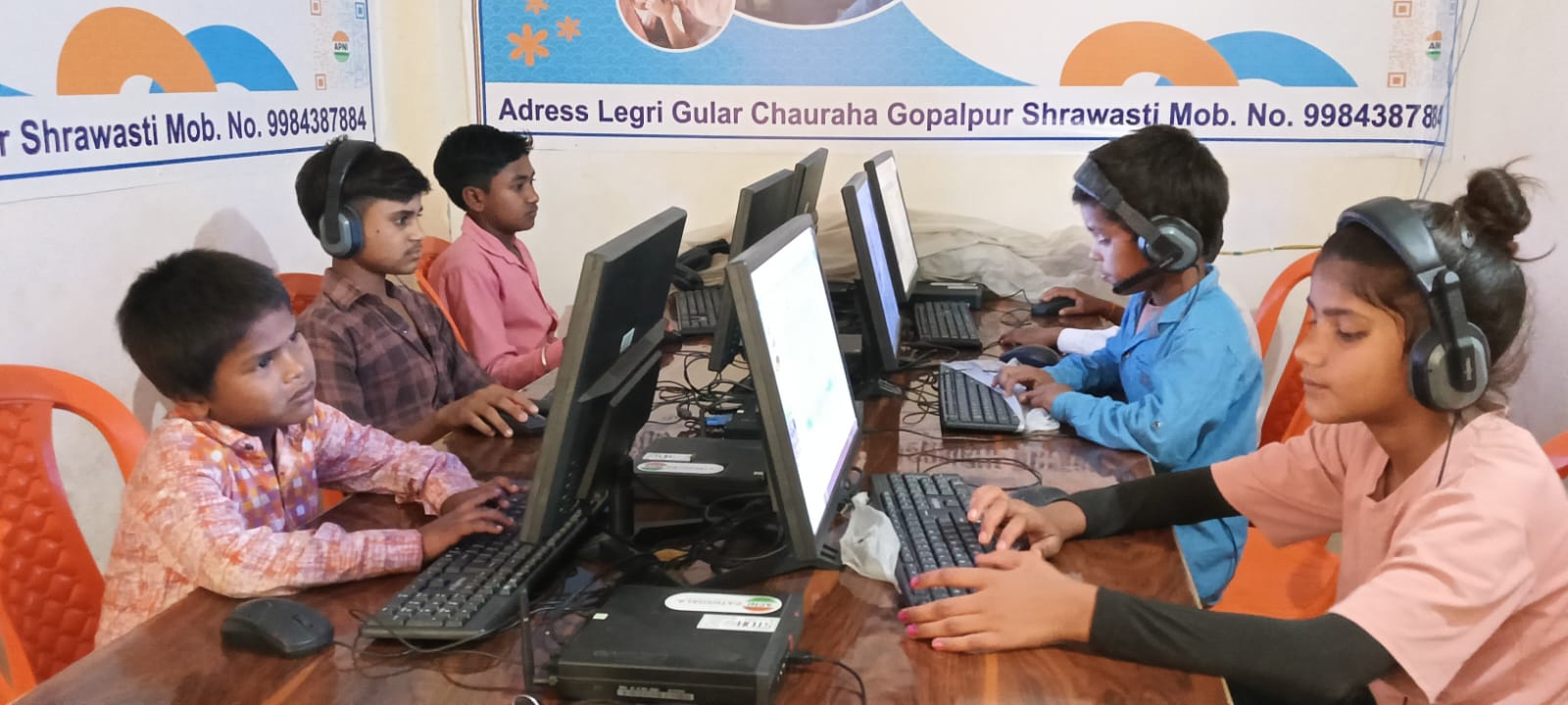
There is a social dimension too. Students who are digitally confident do better in group projects, communicate effectively over platforms, and feel less left behind when classmates discuss digital resources and tools. When peers coordinate over shared platforms during group study, the confident, device-owning student is often the one leading the way.
Why Indian Families Should See It as an Investment?
A device can feel like a significant upfront expense. But compare it to two or three years of private tuition fees, or the cost of repeated exam attempts and lost time. A one-time investment in the right setup pays back steadily.
More importantly, it gives a student a reason to show up to their desk every day, and that consistency, over months and years, is what actually builds a future.
Apna PC is built exactly for this: affordable, durable, made for students and learning-focused homes. At ₹21,000 (shipping and GST excluded), it gives families a solid entry point into digital education without stretching the budget. It handles homework today and competitive exam prep tomorrow without slowing down.
To understand what it includes and how it fits a student’s daily life, read Why Every Indian Student Needs Their Own Computer.
If your child is ready to take learning seriously, the right environment makes all the difference. Give them a device that is truly theirs, and see how quickly habits, focus, and confidence follow. Visit apnapc.com to learn more.