

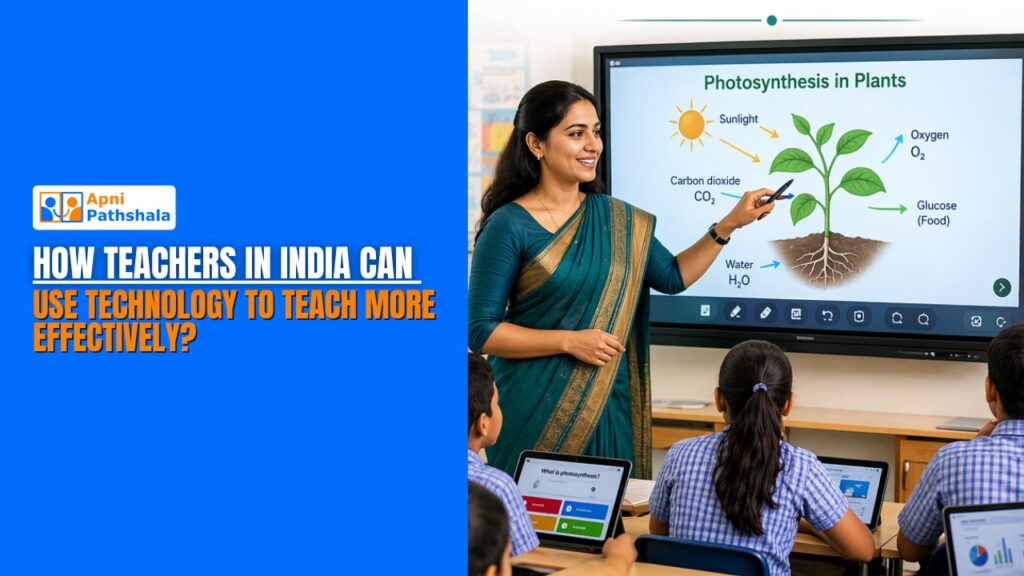
A teacher in Madhya Pradesh walks into a class of 45 students every morning with the same chalk and the same blackboard she has used for a decade. She knows her subject. She cares about her students. But when a student doesn’t understand something, her only tool is to explain it again, the same way, in the same words. That is the gap that technology for teachers in India is beginning to close.
The tools exist. The platforms are free. What’s missing, in most cases, is simply knowing where to start.
What Teacher Digital Tools in India Actually Include?
Digital tools for teachers in India are not just smart boards and expensive projectors. For most schools in Tier 2 and Tier 3 cities, the practical starting point is much simpler and much more accessible.
- A laptop or desktop with basic educational software
- A projector or even a large monitor to display content to the class
- Free government-backed platforms with subject-wise content in regional languages
- Apps that let teachers create quizzes, track student responses, and share resources digitally
None of this requires a school-wide budget overhaul. Many teachers across India have started with just their personal phone and a free account on a single digital platform, and the impact on student engagement has been immediate.
Understanding what’s already available is the first step. What Apna PC is and what it comes pre-loaded with gives a clear picture of how a learning-focused device supports both teachers and students at home.
Edtech for Teachers in India: Platforms That Are Already Working
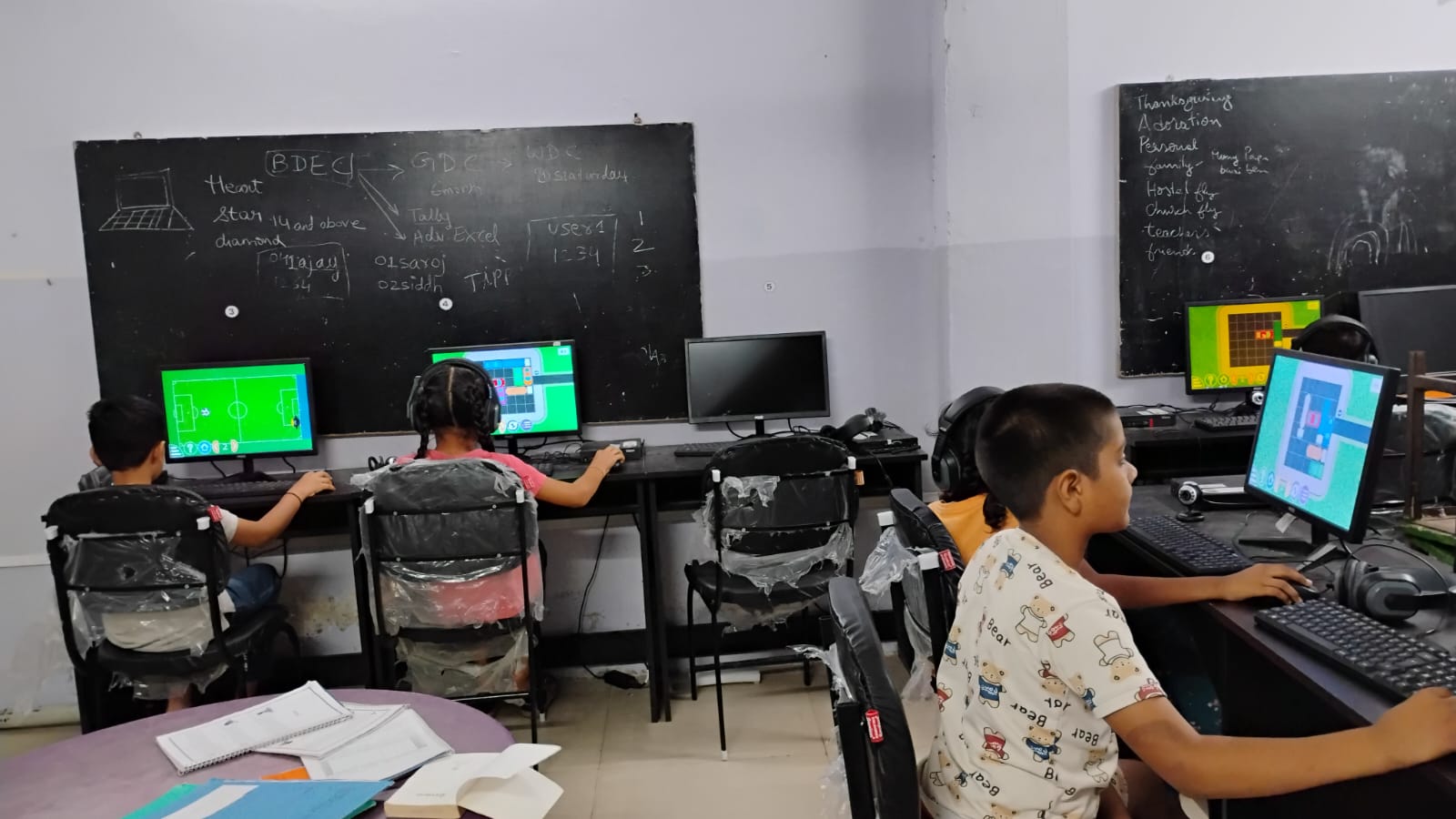
The best starting point for any Indian teacher looking to bring technology into their classroom is a platform they may already have access to but haven’t fully explored.
DIKSHA, India’s national digital learning platform, offers thousands of curriculum-aligned digital resources, video lessons, and assessments, covering CBSE, ICSE, and state board syllabi, in over 30 Indian languages. It is completely free. A teacher with a laptop and a basic projector can transform any period into an interactive session without spending a rupee on content.
Beyond DIKSHA, edtech for teachers in India now includes:
- Google Classroom – for sharing assignments, collecting submissions, and tracking who has done what
- Canva for Education -for creating visual presentations and lesson material without design skills
- Kahoot and Quizizz – for turning assessments into live classroom games that students actually enjoy
- YouTube EDU – for concept videos that make abstract topics concrete and visual
Most of these tools require only a basic internet connection and a device. The learning curve is short. The impact on student attention is significant.
How Classroom Technology in India Works Best
Classroom technology in India, teachers use most effectively, follows a simple principle: use digital tools for what they do better than humans, and use human interaction for what technology cannot replace.
Technology is better at showing animations of the water cycle, simulations of chemical reactions, and visual maps of historical events. Humans are better at connecting, sensing when a student is lost, adjusting pace, and answering unexpected questions.
The most effective classroom model blends both. A teacher uses a DIKSHA video to introduce a concept, pauses to ask questions, runs a quick digital quiz to check understanding, then steps in to discuss and clarify. This is blended learning, and it consistently outperforms either pure lecture or pure digital content alone.
NCERT (National Council of Educational Research and Training) has published digital content and guidelines aligned with the National Curriculum Framework specifically to help teachers integrate technology into standard lessons, without needing to redesign their entire approach.
What Happens After the Bell Rings?
Here is what often gets overlooked in conversations about technology for teachers: the classroom is only part of the equation.
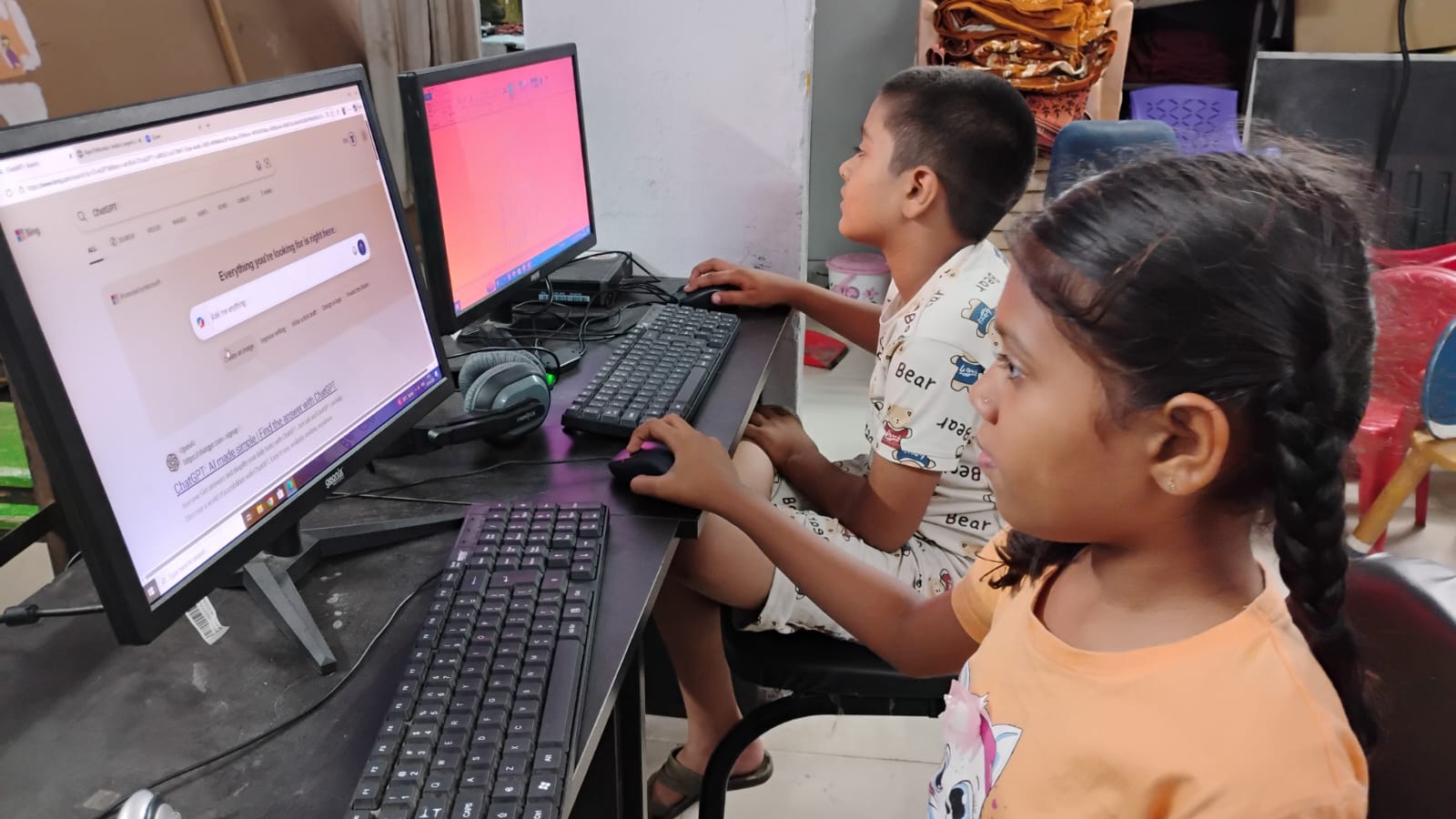
A teacher can use DIKSHA, assign digital practice, and deliver the most engaging lesson possible, but if students go home to a household without a computer, that learning stops at the school gate. The student who can’t revisit a concept, complete digital homework, or explore a topic further at home will always be playing catch-up with students who can.
This is why equipping students at home matters as much as equipping classrooms. When a student has their own education, a ready computer with software pre-installed and designed for learning, everything the teacher does in class gets reinforced and extended at home.
Learning about how a Personal Computer Helps Students Learn beyond the school curriculum makes clear why home access is not a luxury; it is the second half of what classroom technology is supposed to achieve.
Practical Steps Any Teacher Can Take This Week
Teachers do not need to wait for a school policy, a budget approval, or a training programme to start. Here is what any teacher can do right now:
- Open DIKSHA and explore resources for your class and subject. Start with one video lesson
- Create a free Google Classroom account, even if only a handful of students have home devices, and build the habit
- Record a 3-minute explanation video on your phone, share it with parents via WhatsApp, so concepts can be revisited at home
- Run one Kahoot quiz in class, see what it does to student energy and participation
- Find a teacher community online, thousands of Indian teachers share resources and ideas on DIKSHA, Telegram, and Facebook groups every day
One lesson. One tool. One week. That is all it takes to start building a more effective classroom.
If you’re a parent or school administrator looking to support what teachers are building in the classroom, by ensuring students can continue learning at home, Apna PC is designed exactly for that. At ₹21,000 (shipping and GST excluded), it is built for Indian families and comes ready for learning from day one. Visit apnapc.com to learn more.