


When Meena’s parents bought her an Apna PC in Class 6, they were thinking of one thing: helping her finish her schoolwork more easily. What they did not expect was what happened over the next four years. Meena developed strong typing skills, learned to research independently, built projects that impressed her teachers, and walked into her Class 10 computer-based exam without a trace of anxiety. One decision made in Class 6 shaped her confidence, her skills, and her academic trajectory for years. That is what the long-term benefits of Apna PC for students really look like, not just better homework, but a fundamentally better-prepared child.
Why the Right Computer at the Right Age Changes Everything?
The importance of computers for students in India is no longer a debate. Digital literacy is now a core requirement for board exams, competitive tests, college applications, government portals, and the modern workplace. The real question is not whether a student needs a computer. It is whether they get one early enough to build genuine skills, not just basic familiarity.
Children who begin structured computer use in primary or middle school develop habits and capabilities that compound over time. They learn faster, adapt more confidently to new tools, and carry a level of digital fluency into high school and college that their peers without early access simply cannot match. The earlier and more consistently a student uses a dedicated educational computer, the greater the long-term advantage.
According to NCERT’s framework for digital literacy in Indian schools, consistent and structured access to computers from an early age is directly linked to better cognitive development, stronger problem-solving skills, and higher academic achievement across subjects, not just in technology-related areas.
The Real Long-Term Benefits Beyond the Classroom
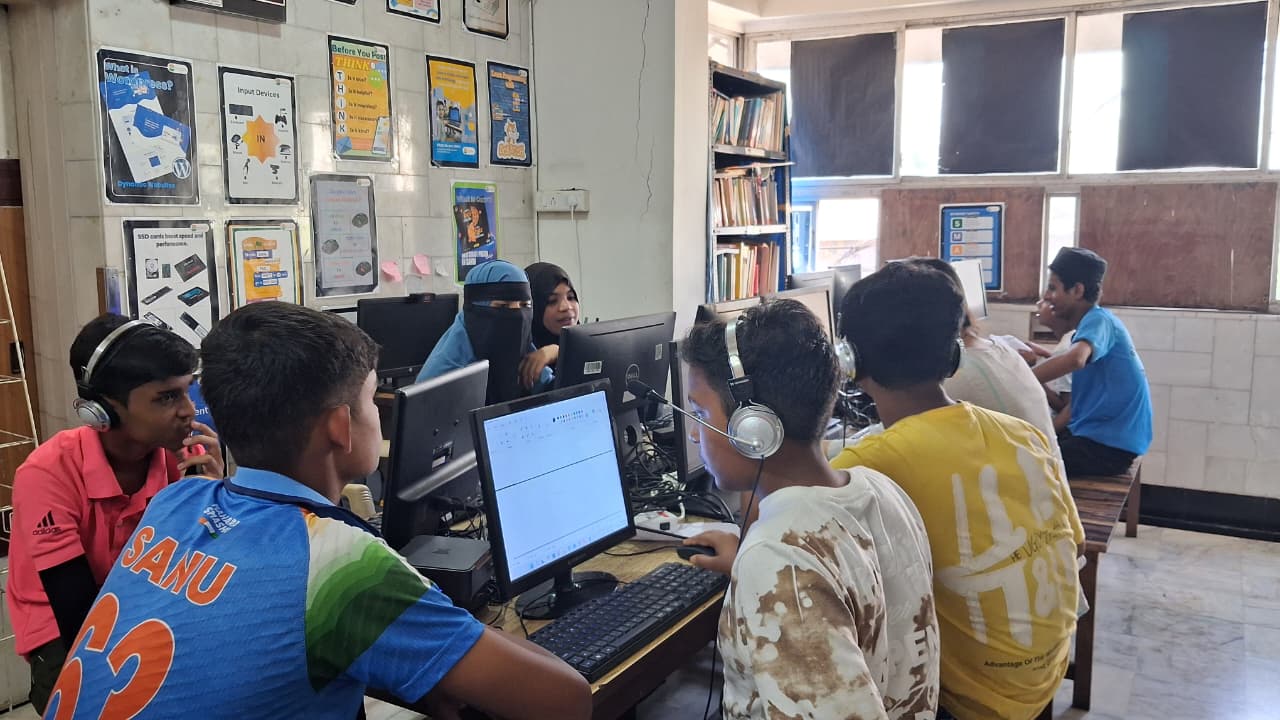
When families invest in Apna PC, they are not just buying a device for today’s homework. They are investing in a set of skills and habits that will serve their child for decades. Here are the digital learning benefits for students that compound over time:
- Typing and documentation skills: A student who has been typing regularly since Class 5 can produce well-formatted, clearly written documents with ease by Class 9. This skill, taken for granted in urban schools, makes a visible difference in assignment quality, exam performance, and eventually professional communication.
- Independent research ability: Children who regularly use a computer for learning develop the habit of looking things up, cross-checking information, and going deeper into topics that interest them. This intellectual curiosity and self-directed learning ability are among the most valuable skills any student can develop.
- Digital exam readiness: From JEE to NEET, from government job tests to scholarship exams, India’s assessment landscape is rapidly moving online. A student who has used a computer daily for years walks into these exams with a natural advantage. Interface familiarity, keyboard confidence, and digital focus are all built through consistent daily use.
- Coding and computational thinking: Even a basic exposure to coding tools, spreadsheets, and presentation software builds a structured, logical, and problem-oriented way of thinking that benefits students in maths, science, and critical analysis throughout their academic career.
- Career readiness from an early age: Every career path in 2026 and beyond requires digital competency. A student who has grown up using a computer confidently, creating documents, managing files, and navigating platforms, enters the job market or higher education with a foundation that their peers without early access have to build from scratch.
Discover how Apna PC builds these skills through its preloaded tools and structured learning environment on our What Is Apna PC page.
Why Apna PC Is the Most Cost-Effective Long-Term Investment for Indian Families?
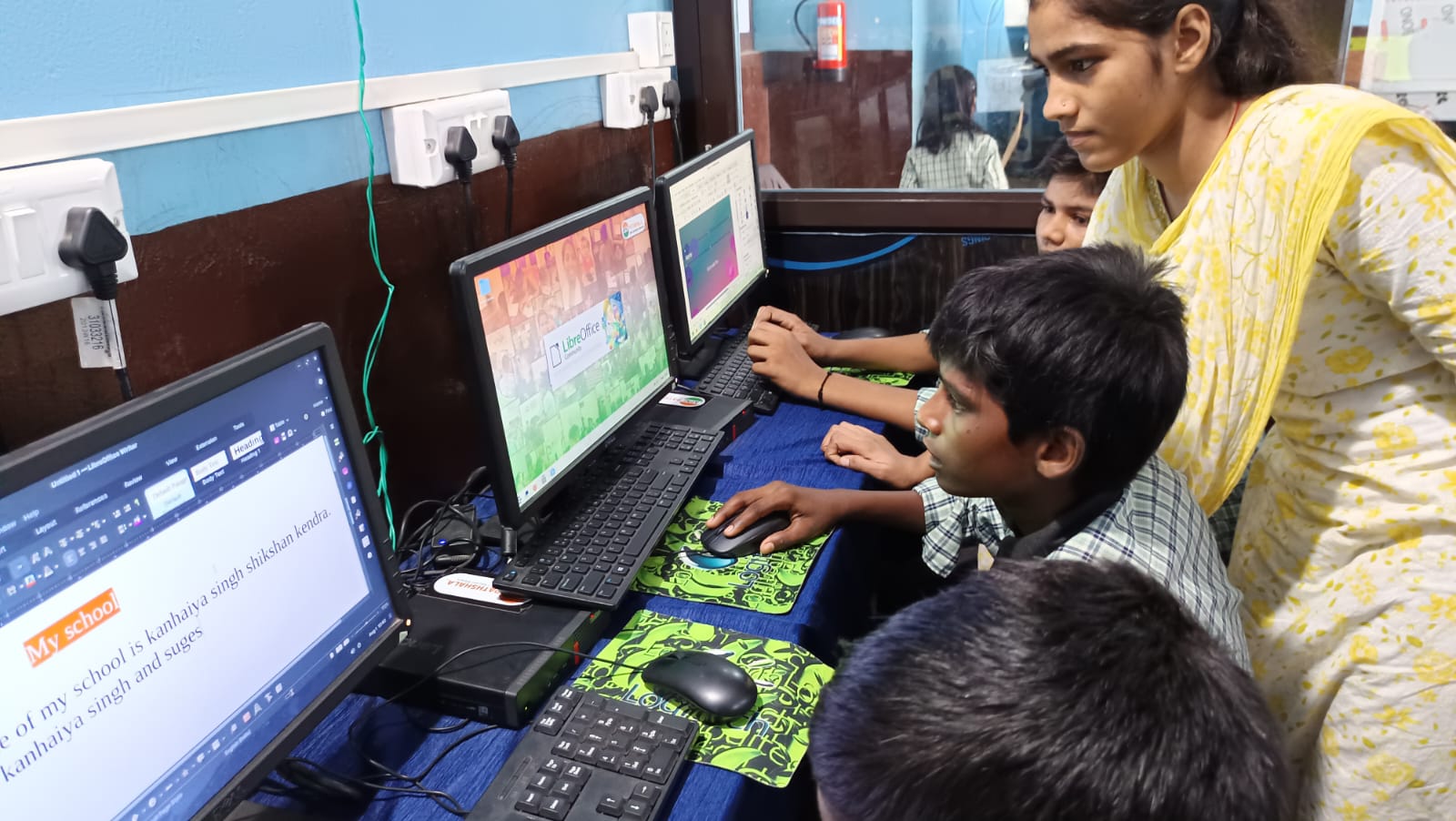
Parents often consider the upfront cost of a computer. What they should also think about is the cost of not having one, and that cost is high. A student without a dedicated computer at home spends money on cyber cafes, misses out on free learning resources worth thousands of rupees in tuition value, and enters competitive exams with less preparation than peers who had access to digital tools throughout their schooling.
As an affordable computer for students in India, Apna PC at Rs. 21,000 (shipping and GST excluded) delivers value that extends across an entire school career, 6 to 8 years of structured digital learning, exam preparation, skill building, and academic growth. Spread across those years, it is one of the most cost-effective educational investments a family can make.
Unlike a general-purpose laptop that requires parental controls, educational apps, and distractions to be removed, Apna PC is ready from day one. Safe browsing is built in. The learning tools are preloaded. The focus is built into the device itself. Parents do not need to maintain it, configure it, or worry about what their child is accessing.
India’s national education policy explicitly prioritizes digital literacy and technology-enabled learning as foundational goals for every student, reinforcing that computer access is not a privilege for the few but a right for every child. Apna PC makes that right affordable for Indian families across income levels.
Read more about how daily computer use transforms what a student is capable of on our How a Personal Computer Helps Students Learn Beyond the Curriculum page.
The benefits of Apna PC are not measured in one semester. They are measured in the student your child becomes, more confident, more capable, more prepared, and more ready for whatever comes next. Visit apnapc.com to learn more.