

The Student Nobody Noticed
There’s a boy in a Class 7 classroom in Lucknow who hasn’t raised his hand in months. He sits in the third row, doesn’t cause trouble, finishes his work on time, and goes home. His teacher thinks he’s doing fine. His parents think the same.
But he’s not fine. He stopped understanding math two chapters ago and has been copying from his benchmate ever since. Nobody caught it because he’s quiet, his attendance is good, and there’s no red flag visible to the human eye.
Until Apni Prerna flagged something. His usage of the math practice app dropped to zero three weeks ago. His time on educational tools fell by half. He started spending more time on the drawing app, which is great for creativity, but it was replacing study time entirely.
His teacher checked in. One conversation later, it turned out the boy was stuck on fractions and felt embarrassed to ask for help. The teacher paired him with a classmate for extra practice. Within two weeks, his math scores recovered.
That’s what Apni Prerna does in schools. It catches what humans miss.
Why Teachers Can’t Spot Everyone Who’s Struggling
Let’s be realistic. A teacher in India typically handles 40 to 60 students per class. Sometimes more. In that environment, the students who get attention are the ones at the extremes: the highest performers and the biggest troublemakers.
The quiet kid who’s slowly falling behind? The average student who was doing okay last month but isn’t anymore? They slip through the cracks. Not because the teacher doesn’t care, but because there aren’t enough hours in the day to individually monitor every student’s learning trajectory.
India’s Ministry of Education acknowledges this challenge in the National Education Policy, which calls for better tools to support teachers in tracking individual student progress. Apni Prerna is one answer to that call.
Data That Teachers Can Actually Use
Apni Prerna doesn’t give teachers a wall of incomprehensible statistics. It gives them practical signals. Which students have reduced their study time? Which students are avoiding specific subjects? Which students are consistently engaged and might be ready for advanced challenges?
These signals are presented clearly. A teacher doesn’t need to be tech savvy to read them. If you can read a simple chart, you can use Apni Prerna. It takes five minutes to scan a class report and identify which students need a check in.
Real Use Cases From Schools
Spotting Disengagement Early
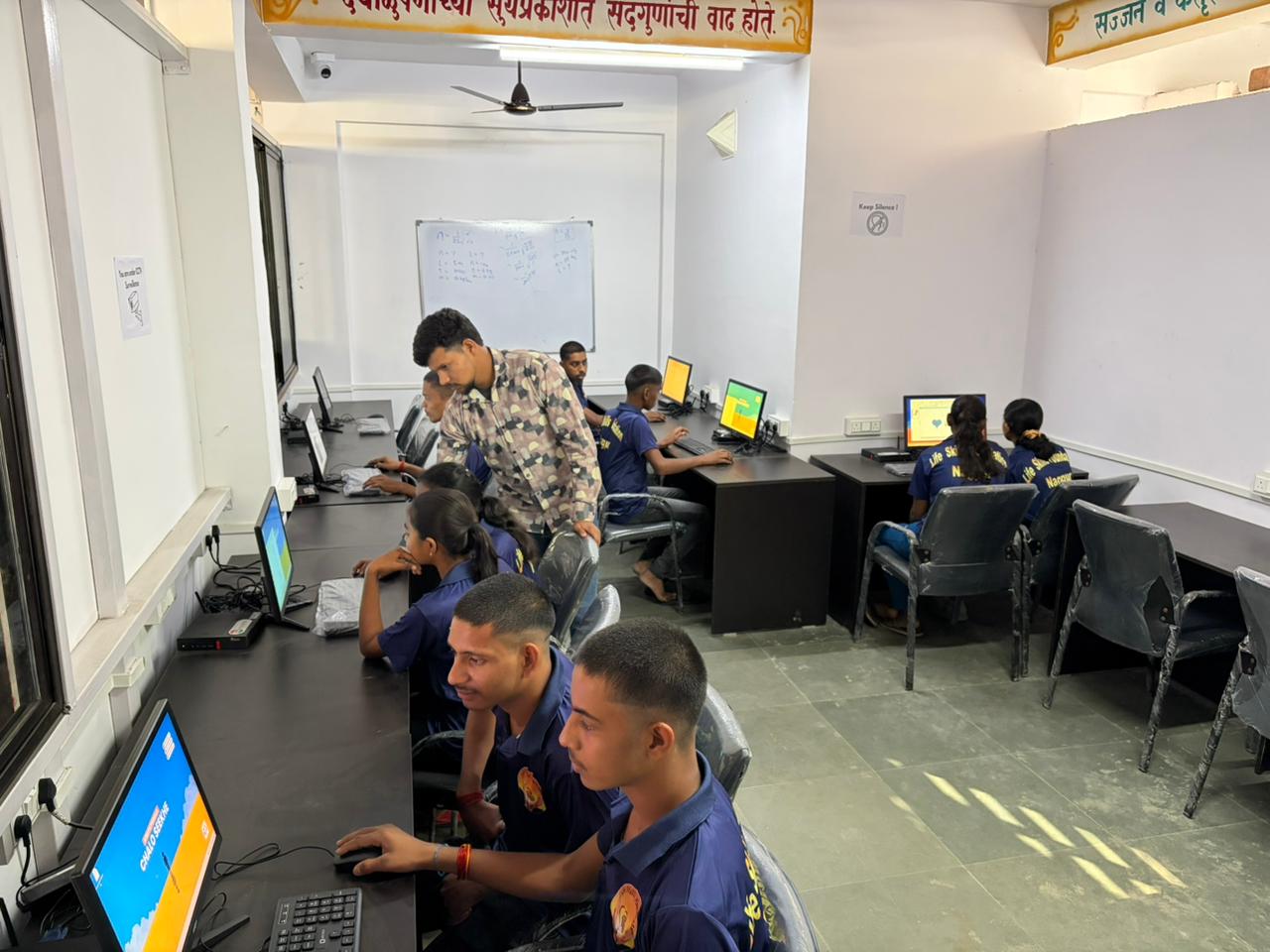
A school in Pune introduced Apni Prerna alongside Apna PC computers in their lab. Within the first month, the software flagged seven students across three classes whose engagement dropped significantly. When teachers followed up, they discovered a mix of issues: two students were dealing with family problems, three were struggling with specific subjects, and two had lost interest because the coursework felt too easy.
Each situation needed a different response. Without the early flag, these students would have continued unnoticed until their exam scores told the story too late.
Identifying Hidden Strengths
This is the part people don’t expect. Apni Prerna doesn’t just show problems. It shows potential. A student in Nashik was spending an unusual amount of time on Scratch, the programming tool. Her teacher noticed and encouraged her to join the school’s coding competition. She won second place at the district level.
Without the data, her programming interest would have stayed invisible. She wasn’t the type to announce her hobbies to the class.
Supporting Exam Preparation
Before quarterly exams, teachers at a school in Hyderabad used Apni Prerna reports to identify which students had been actively using study tools and which hadn’t. They organized targeted revision sessions for the second group. The result? A noticeable improvement in pass rates compared to the previous quarter.
According to UNICEF’s education research, data informed teaching interventions are among the most effective ways to improve outcomes in resource limited settings.
What Schools Need to Make This Work
Technology alone isn’t enough. Schools need to:
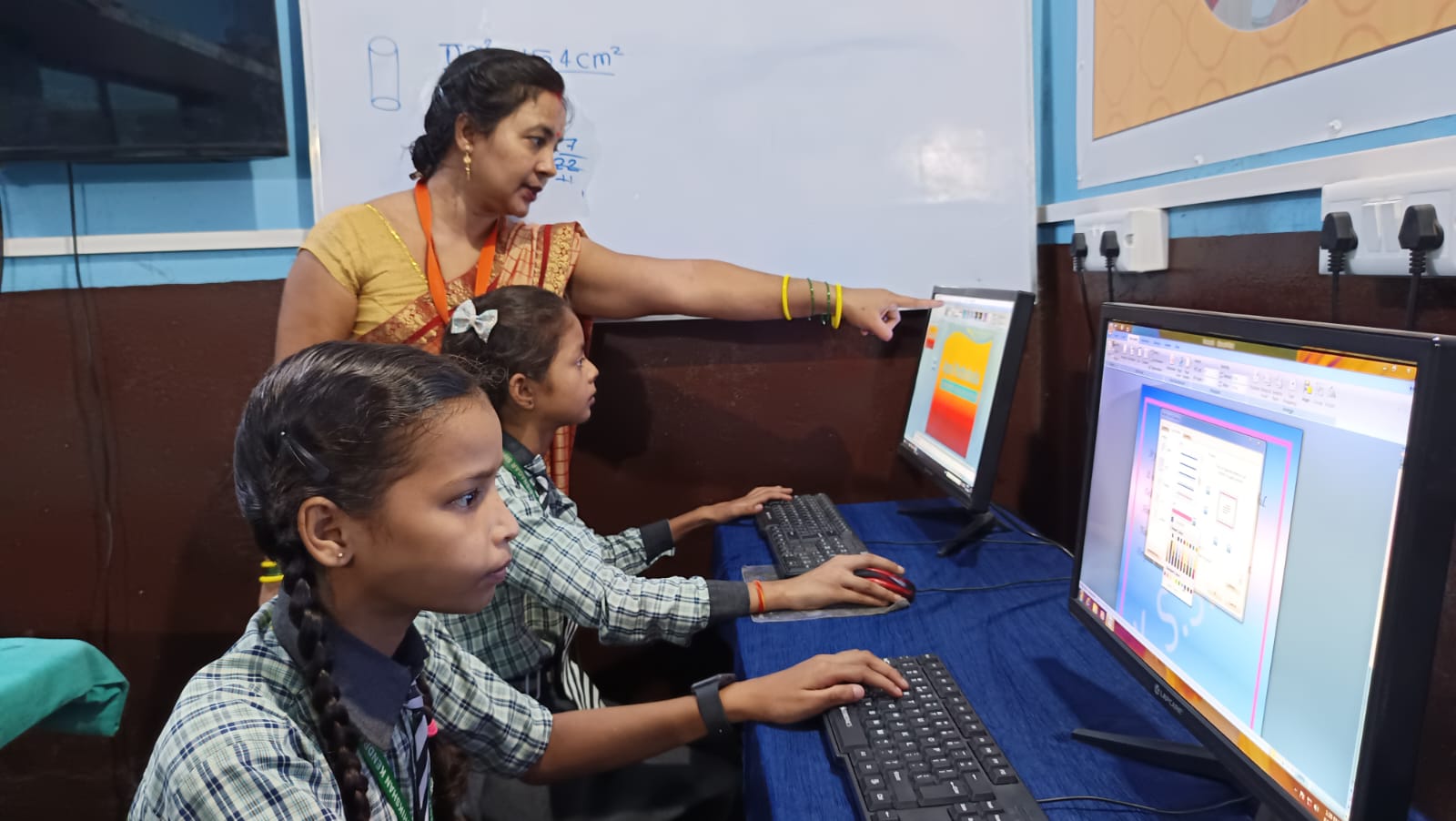
Train teachers briefly. Not a full course. Just a 30 minute walkthrough of the dashboard and what to look for. Apni Prerna is designed to be intuitive, but a quick introduction helps teachers feel confident using it.
Check the reports weekly. Monthly is too late. Weekly reviews let teachers catch trends before they become problems.
Act on what the data shows. The worst thing a school can do is collect data and ignore it. If Apni Prerna shows a student disengaging, someone needs to have a conversation. The software points. The human acts.
Involve parents. Share relevant insights during parent teacher meetings. When parents and teachers are looking at the same data, identifying and addressing learning gaps becomes a team effort.
Every Student Deserves to Be Seen
The quiet boy in Lucknow didn’t need punishment. He didn’t need extra homework. He needed someone to notice he was struggling and step in before the gap became permanent.
Apni Prerna makes that possible. Not by replacing teachers, but by giving them a tool that sees what 40 pairs of eyes can’t. In a country where classrooms are crowded and resources are stretched thin, that’s not a luxury. It’s a necessity.