

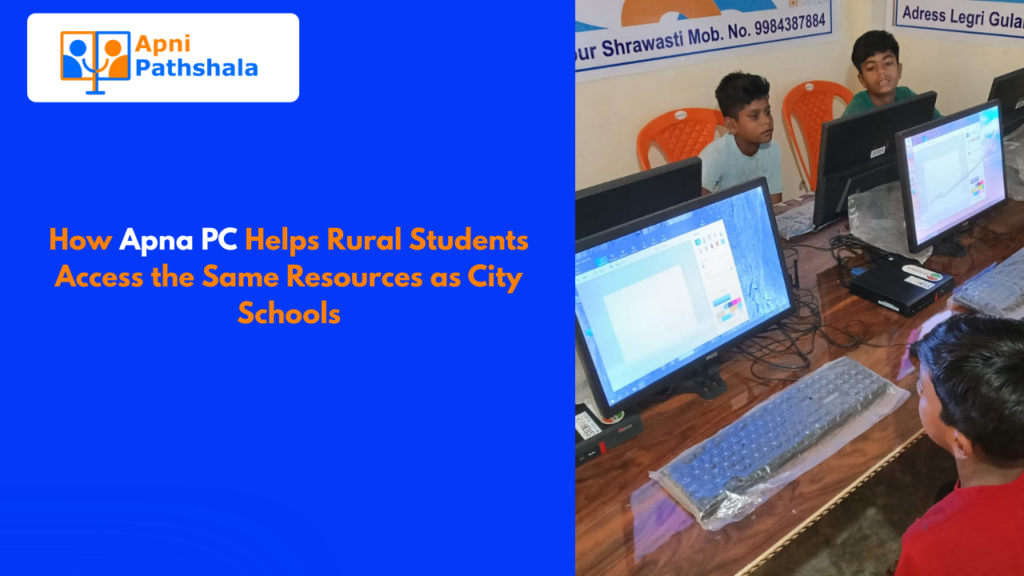
There’s a kid in a village in Bihar who wants to learn coding. There’s another in Rajasthan trying to understand science concepts she read about online. Both are smart, curious, and motivated. But without a computer at home, they’re stuck not because they lack ability, but because they lack access.
This is the gap that Apna PC is working to close. Not with charity, but with a practical, affordable solution that brings the same learning resources city school students take for granted right into rural homes.
What City Students Have That Rural Students Often Don’t
Walk into any decent private school in a metro city and you’ll find computer labs, internet access, digital textbooks, and teachers trained to use technology in classrooms. Students there can look up anything, practice software, and explore subjects far beyond their textbooks.
Rural students, especially those in government schools, rarely get this. They might have one shared computer for the whole school, unreliable internet, and teachers who weren’t trained in digital tools. When these students go home, the gap only grows wider.
According to UNESCO’s research on digital education, access to personal learning devices directly impacts how much students can explore and retain. A student who can revisit a topic at their own pace learns far better than one who only gets one shot in a noisy classroom.
How Apna PC Bridges That Gap in Practice
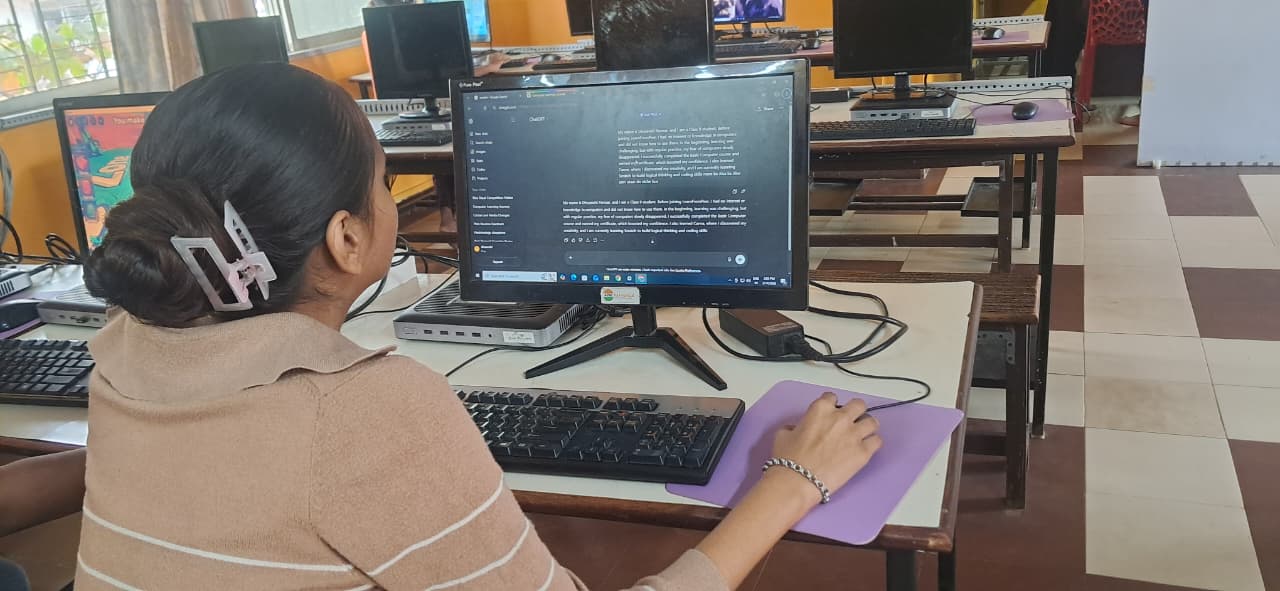
Apna PC doesn’t just give students a computer it gives them a complete learning environment. The system comes pre-loaded with educational software, digital textbooks, and tools that help students practice what they’re learning in school.
For a rural student who can’t afford tuition or private coaching, this matters enormously. They can now watch educational videos on subjects they struggle with, practice typing and computer skills that employers expect, access NCERT materials and past papers, and build projects that go beyond the school syllabus.
The device is affordable and built to last. Families don’t have to take loans or compromise on groceries to give their child a fair shot at education.
Why Equal Access Matters for India’s Future
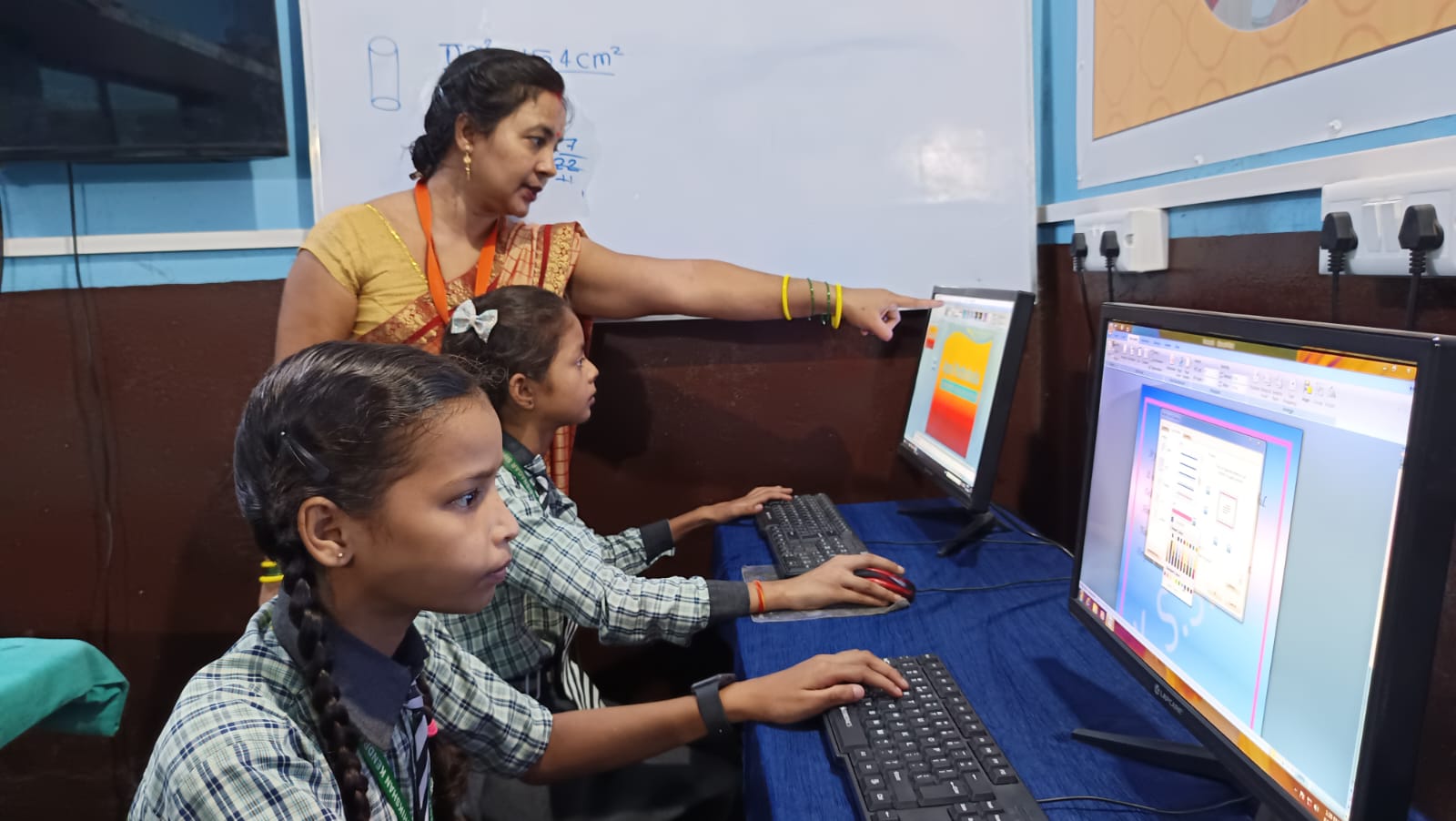
India graduates millions of students every year. But research consistently shows that students from rural backgrounds enter college and the workforce at a disadvantage not because they’re less capable, but because they had less exposure to digital tools during their schooling years.
The Ministry of Education’s National Education Policy explicitly acknowledges this gap and calls for digital inclusion as a national priority. Apna PC is one of the practical responses to that call.
When a rural student can do the same things a city student can research topics independently, practice digital skills, access quality content the playing field starts to level. That student becomes a more competitive candidate for scholarships, college admissions, and jobs.
Real Learning Happens When Students Can Explore on Their Own
One thing often overlooked in education discussions is curiosity-driven learning. A child who wants to know “why does the moon have phases?” should be able to look it up, watch an animation, and read about it right then, while the interest is alive. That’s what having a personal computer enables.
For rural students who don’t have access to libraries, science labs, or experienced tutors, the computer becomes their gateway to the same world of knowledge that city students navigate every day. It’s not a luxury it’s a leveller.
See how Apna PC builds digital access and equal learning opportunities for students across different backgrounds. The impact is real, and it starts with something as simple as giving a child their own device.
Wrapping Up
Rural students aren’t behind because they’re less motivated or intelligent. They’re behind because they haven’t had the same tools. Apna PC is changing that one family at a time. When a child in a rural area can access the same resources as a student in a city school, something powerful happens: they start believing they can compete. And they’re absolutely right.