

The world today is driven by technology. From education to careers, digital tools have become an essential part of everyday life. For students, early exposure to technology can play a major role in shaping their future learning journey and career opportunities.
A personal computer is not just a study tool it is a gateway to knowledge, creativity, and skill development. When students begin interacting with digital tools at an early stage, they develop abilities that prepare them for the challenges of the modern world.
Understanding Technology from a Young Age
When students start using computers early, they become comfortable with technology. Instead of feeling intimidated by digital platforms, they learn how to navigate them confidently.
This familiarity helps students:
- Adapt quickly to digital learning environments
- Use educational platforms effectively
- Understand modern tools used in academics and work
Early exposure builds confidence with technology.
Encouraging Curiosity and Exploration
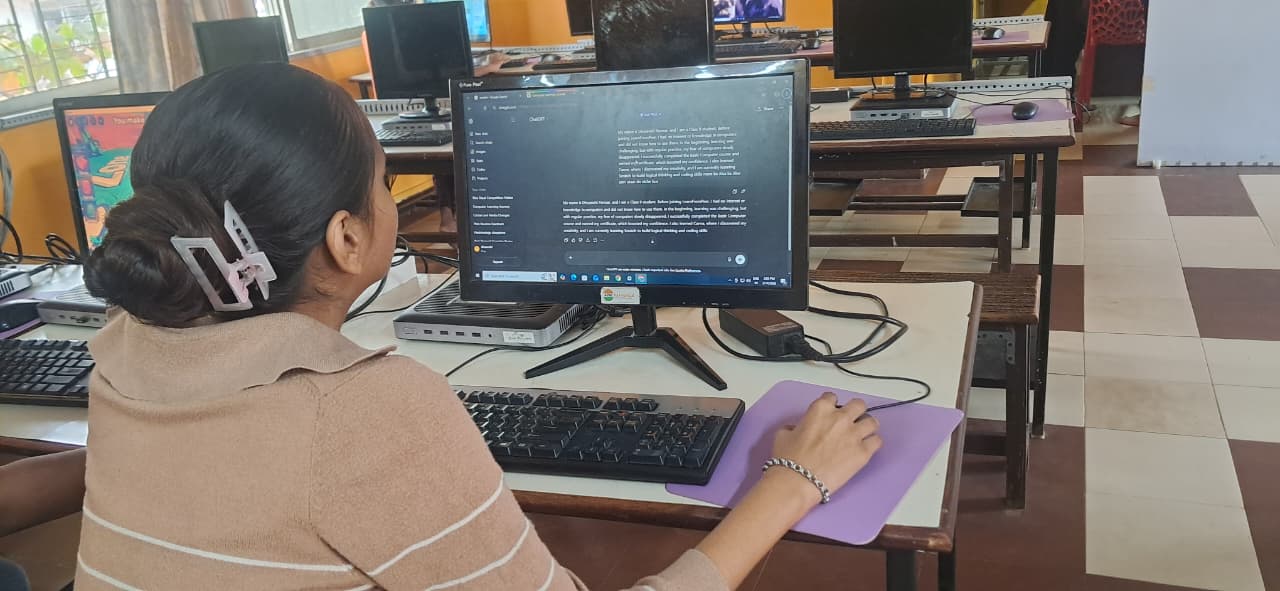
Children are naturally curious. When they have access to a personal computer, their curiosity often leads them to explore new topics and ideas.
They might:
- Watch educational videos
- Research interesting topics
- Learn about science, history, or technology
- Experiment with creative digital tools
This kind of exploration makes learning more engaging and meaningful.
Building Important Digital Skills
Digital skills are becoming essential in almost every field. Students who begin using computers early can gradually develop skills such as:
- Basic computer literacy
- Online research skills
- Document creation and presentation skills
- Digital communication
These skills become valuable assets throughout their academic journey.
Improving Problem-Solving Abilities
Using digital tools encourages students to think critically. When they search for solutions, complete online tasks, or learn new software, they develop strong problem-solving abilities.
Technology often requires students to explore, experiment, and learn through trial and error. This process strengthens analytical thinking and independence.
Supporting Independent Learning
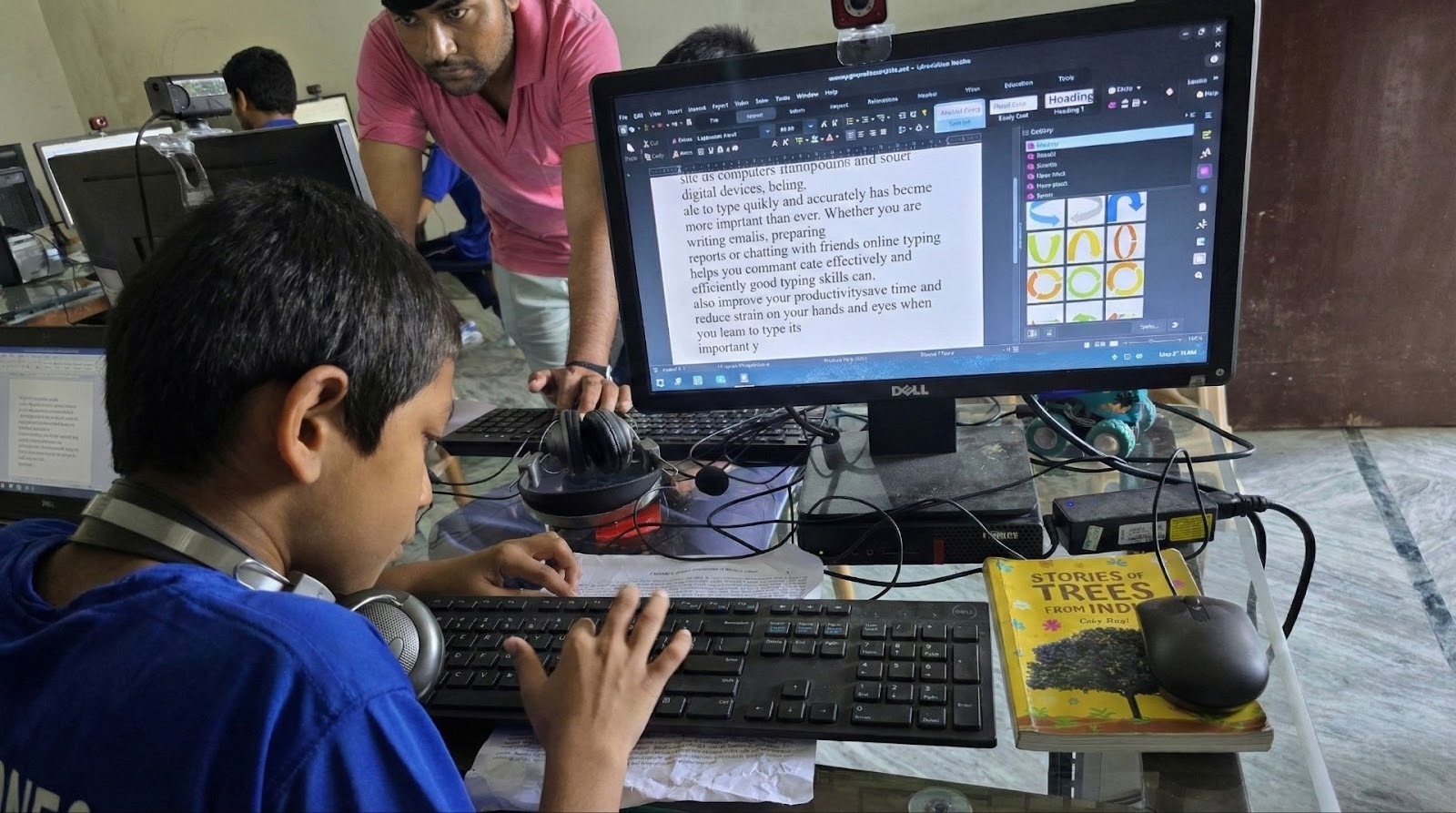
A personal computer allows students to learn at their own pace. Instead of relying only on classroom instruction, they can revisit concepts, watch tutorials, or explore additional learning materials.
This independence helps students become more responsible for their own learning.
Self-learning is one of the most valuable skills in the digital age.
Preparing for Future Careers
Most modern careers require some level of digital knowledge. From engineering and design to business and communication, technology plays a major role.
Students who are comfortable with computers from an early stage are better prepared for:
- Digital workplaces
- Online collaboration
- Technology-driven industries
Early exposure gives them a strong foundation for future success.
The Importance of Access
While technology has the potential to transform education, many students still lack access to digital tools.
Providing students with personal computers ensures that they have the opportunity to learn, explore, and develop essential skills.
Initiatives like Apna PC focus on bridging this digital gap and empowering students through access to technology.
Conclusion
Early digital exposure helps students develop confidence, curiosity, and important life skills. A personal computer becomes more than a learning device it becomes a tool for exploration, creativity, and growth.
By giving students access to technology at the right time, we prepare them not only for academic success but also for a future shaped by innovation and opportunity.
With the right tools and guidance, today’s students can become tomorrow’s creators, problem-solvers, and leaders.