

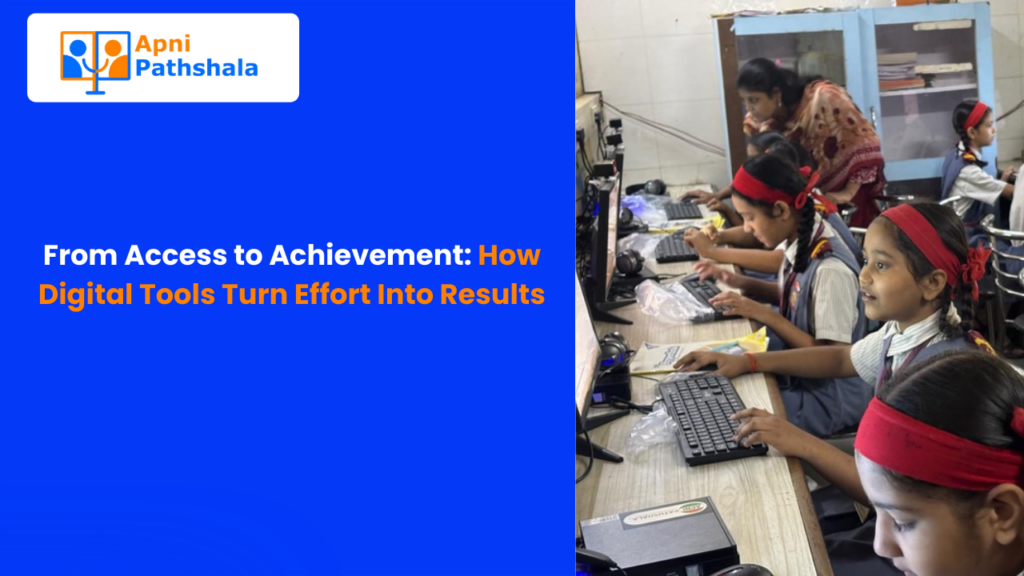
In today’s education system, effort alone is not always enough. Students work hard, attend classes, complete assignments, and prepare for exams but without the right tools, their effort may not translate into achievement.
This is where digital access plays a transformative role.
A personal computer does not replace hard work it amplifies it.
Effort Needs the Right Support System
Many students are willing to learn more, practice more, and improve more. However, without digital tools, they often face limitations such as:
- Limited study material
- No access to mock tests
- Lack of updated resources
- Difficulty in research
- Restricted learning opportunities
Effort without resources creates frustration.
Access turns effort into opportunity.
Turning Practice Into Measurable Progress
With a personal computer, students can:
- Take regular mock tests
- Track performance analytics
- Identify weak subjects
- Improve through targeted practice
Instead of guessing their progress, they can measure it.
Measurement leads to improvement.
Strengthening Concept Clarity
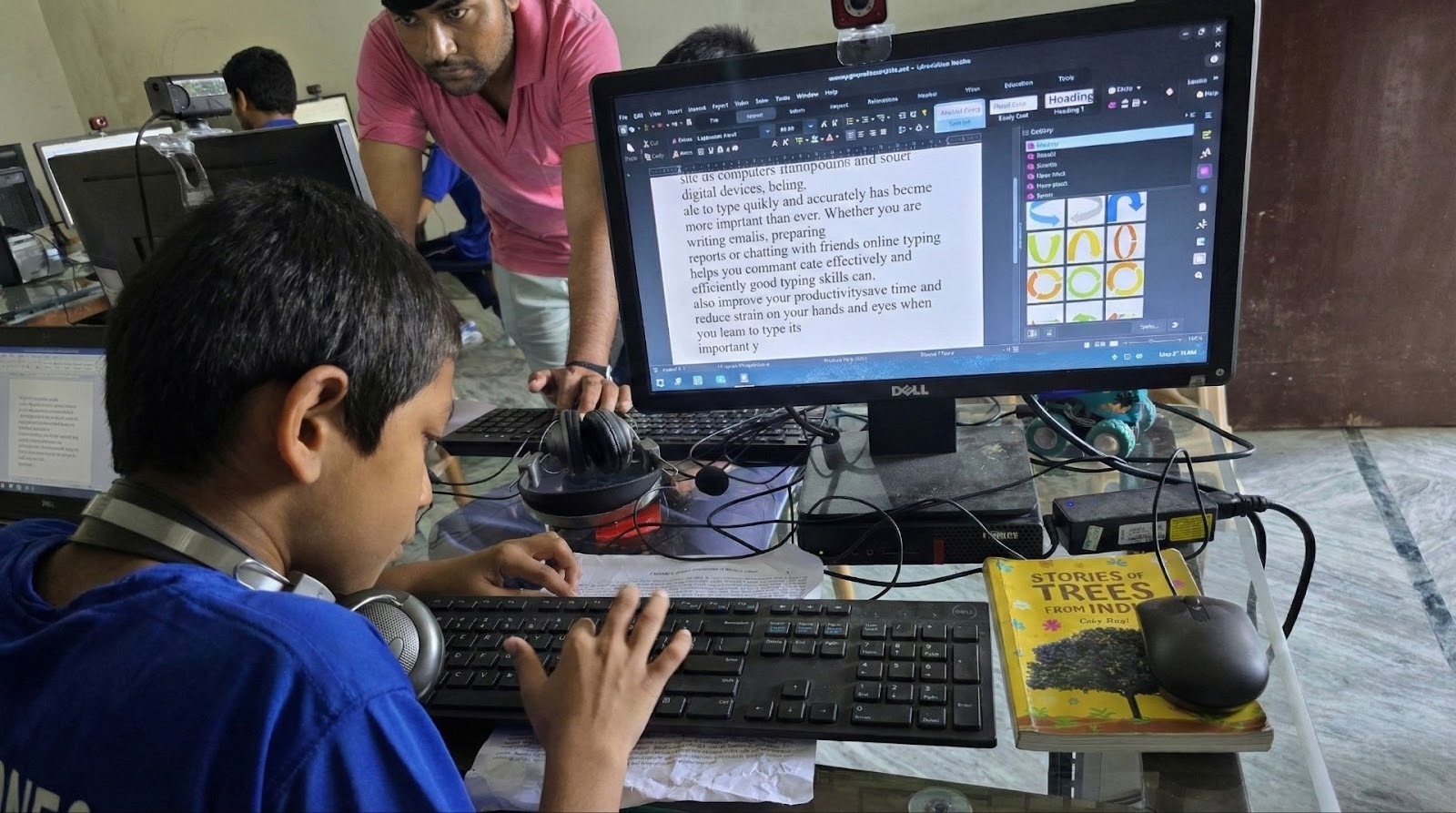
Digital platforms provide:
- Visual explanations
- Interactive simulations
- Step-by-step tutorials
- Real-world case examples
These tools help students move beyond memorization toward real understanding.
Understanding leads to better performance.
Expanding Learning Beyond Textbooks
Textbooks offer structure, but digital access expands learning.
Students can:
- Explore deeper topics
- Learn advanced skills
- Watch expert lectures
- Join global learning communities
Exposure strengthens ambition.
Building Consistency in Preparation
Consistency is the key to achievement.
With personal access, students can:
- Study daily without waiting for shared devices
- Revise anytime
- Maintain digital notes
- Plan structured study schedules
Regular practice builds confidence.
Developing Future-Ready Skills
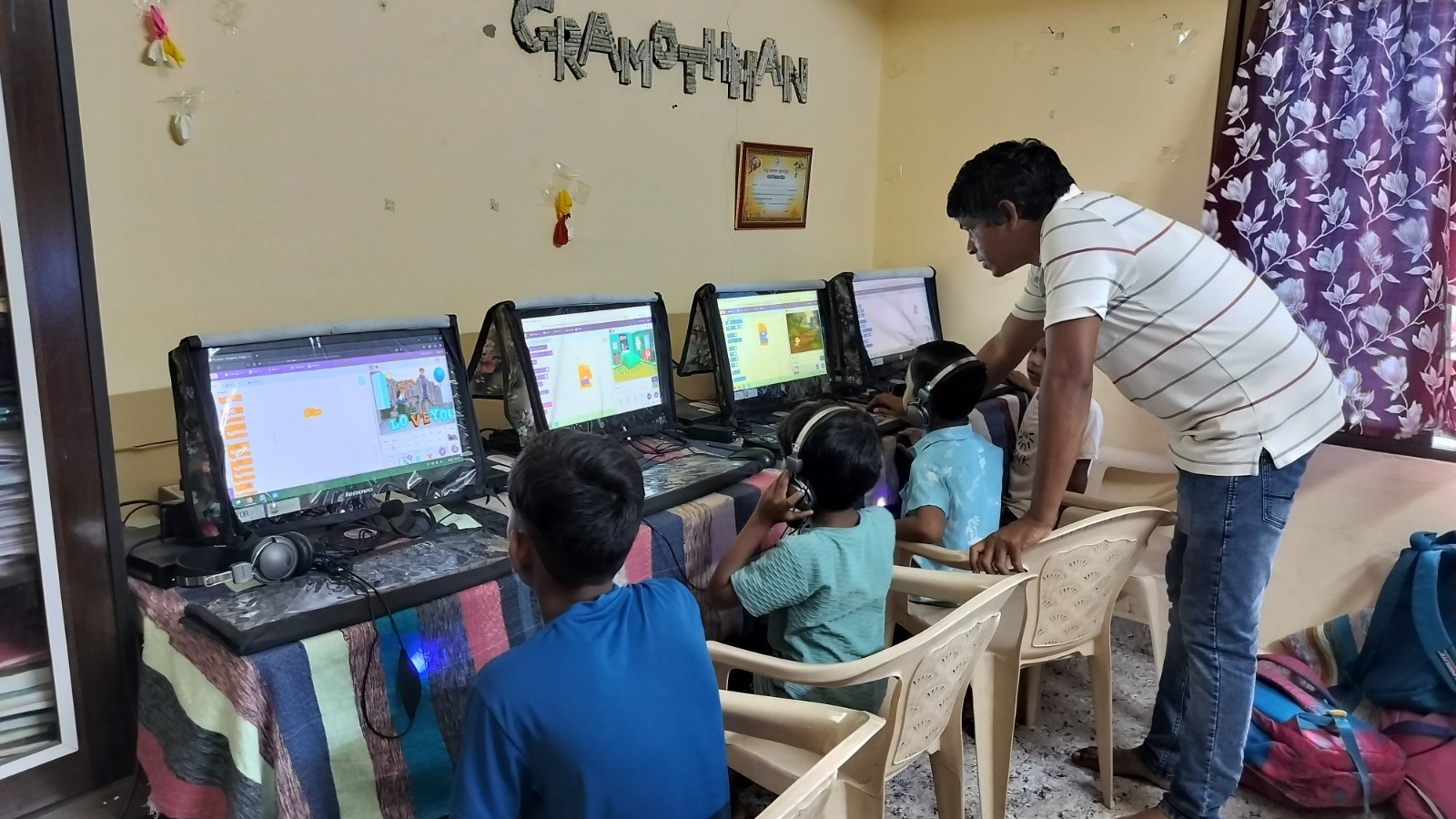
Achievement is not limited to exam scores.
A personal computer helps students develop:
- Research skills
- Communication abilities
- Presentation techniques
- Basic technical knowledge
- Digital literacy
These skills prepare students for careers, not just classrooms.
Equalizing Opportunities
Students without digital access often fall behind not because of lack of ability, but because of limited tools.
When students receive personal computers through initiatives like Apna PC:
- They gain equal opportunity
- They compete fairly
- They access the same resources as others
- They build digital confidence
Access reduces inequality.
The Role of Apna PC
Apna PC bridges the gap between effort and achievement.
By providing students with personal computers, it ensures that hard work is supported with the right digital foundation.
Because talent should never be limited by lack of access.
Conclusion
Effort is important. Determination matters. But in today’s world, tools amplify potential.
A personal computer transforms learning from restricted to resourceful. It turns curiosity into exploration, practice into improvement, and effort into achievement.
When students have access, they don’t just try harder they achieve more.