

In today’s world, education and technology are deeply connected. Homework is submitted online, research is done through digital platforms, and skills for future careers are built using computers. Yet, millions of students still do not have access to a personal computer.
A personal computer is no longer a luxury it is a basic learning tool. Just like textbooks and notebooks, it has become essential for modern education. Every student deserves access to a personal computer because it opens doors to opportunity, equality, and growth.
1. Equal Access to Learning Opportunities
Not all students start from the same place. Some have access to high-speed internet, personal devices, and digital resources. Others depend on shared mobile phones or community centres.
Without a personal computer:
-
- Students struggle to attend online classes
-
- Assignments become difficult to complete
-
- Research and practice are limited
A personal PC ensures equal access to educational resources. It levels the playing field and gives every student a fair chance to succeed.
2. Better Academic Performance
Students who have consistent access to a computer can:
-
- Practice regularly
-
- Explore additional learning materials
-
- Improve typing and research skills
-
- Work independently on projects
Access leads to confidence. Confidence leads to better academic results.
3. Building Essential Digital Skills
The future belongs to students who are digitally skilled. Basic computer knowledge is now required in almost every career field from business and healthcare to engineering and creative industries.
With a personal computer, students can learn:
-
- Digital literacy
-
- Basic coding
-
- Research skills
-
- Online collaboration
-
- Presentation and communication skills
These are not optional skills they are essential life skills.
4. Encouraging Independent Learning
A personal computer empowers students to take control of their learning. Instead of depending only on classroom teaching, they can:
-
- Explore topics deeply
-
- Watch educational videos
-
- Practice through online quizzes
-
- Learn new skills beyond the syllabus
Independent learning builds curiosity and confidence.
5. Bridging the Digital Divide
The digital divide is one of the biggest challenges in education today. Students without personal computers are often left behind in digital classrooms.
Providing personal PCs:
-
- Reduces inequality
-
- Supports underserved communities
-
- Strengthens long-term educational growth
Access to technology should not depend on income, it should depend on opportunity.
6. Improving Focus Compared to Mobile Devices
Many students rely on smartphones for learning. While helpful, phones are not ideal for serious study.
On a personal computer, students can:
-
- View larger screens
-
- Work comfortably on documents
-
- Avoid constant social media distractions
-
- Manage assignments more efficiently
A computer creates a structured learning environment.
7. Preparing for Future Careers
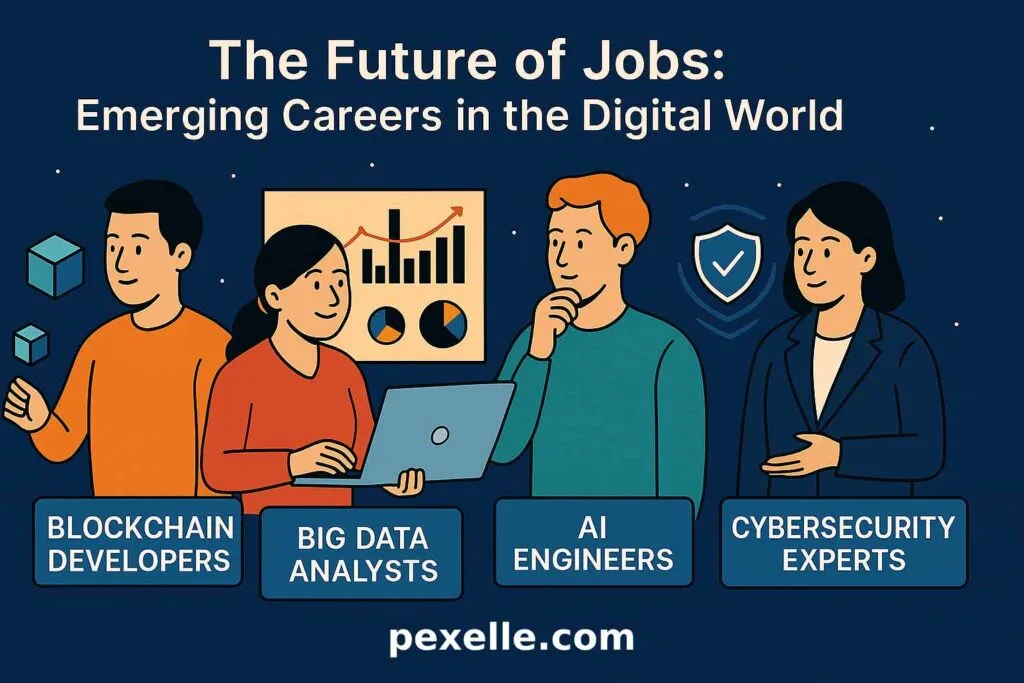
The job market in 2026 and beyond will demand digital competence. Early exposure to computers helps students:
-
- Develop confidence with software tools
-
- Build portfolios
-
- Explore career interests
-
- Learn remote working skills
Students who grow up using personal computers adapt more easily to modern workplaces.
8. Empowering Families and Communities
When one student gets a personal computer, the impact often extends to the entire family. Siblings can learn, parents can access information, and communities become more digitally aware.
Technology becomes a shared opportunity not just an individual advantage.
9. Supporting Creativity and Innovation
A personal computer is not only for assignments it is a tool for creativity. Students can:
-
- Write stories
-
- Design graphics
-
- Learn coding
-
- Create presentations
-
- Explore digital art
Creativity grows when students have the right tools.
10. Technology as a Basic Educational Tool
Just as libraries provide books, modern education requires digital access. A personal computer is no longer a luxury item it is a foundational tool for learning in the digital age.
Denying access limits potential. Providing access unlocks it.
Conclusion
Every student deserves a personal computer because education today depends on digital access. It promotes equality, improves performance, builds future-ready skills, and empowers independent learning.
A personal computer is not just a device, it is a gateway to opportunity. When students have the right tools, they can build brighter futures for themselves and their communities.