

Education has always been considered a fundamental right. Access to schools, textbooks, and qualified teachers has long defined whether a child receives quality learning. However, in today’s world, another essential element has become equally important digital access.
In an era where classrooms extend beyond walls and learning happens online as much as offline, digital access is no longer optional. It has become a basic right in modern education.
The Shift Toward Digital Learning
Over the past decade, education has transformed dramatically. Assignments are submitted online. Research happens through digital platforms. Classes are conducted virtually. Even examinations and certifications are increasingly technology-driven.
Without digital access, students struggle to:
- Attend online classes
- Submit assignments on time
- Access learning resources
- Develop digital skills
This shift makes technology an essential part of education not an added advantage.
Equal Opportunity in the Digital Age
Education is meant to provide equal opportunities to all students. However, when digital tools are unavailable to some learners, inequality widens.
Students with digital access can:
- Learn at their own pace
- Explore additional resources
- Practice skills online
- Stay connected with teachers
Students without access fall behind not because of lack of ability, but because of lack of tools.
Digital access helps level the playing field.
Beyond Devices: What Digital Access Really Means
Digital access is not only about owning a device. It includes:
- Reliable internet connectivity
- A personal computer or learning device
- Safe and secure online platforms
- Digital literacy skills
True digital inclusion ensures that students can not only access technology but also use it effectively and responsibly.
Digital Skills Are Now Life Skills
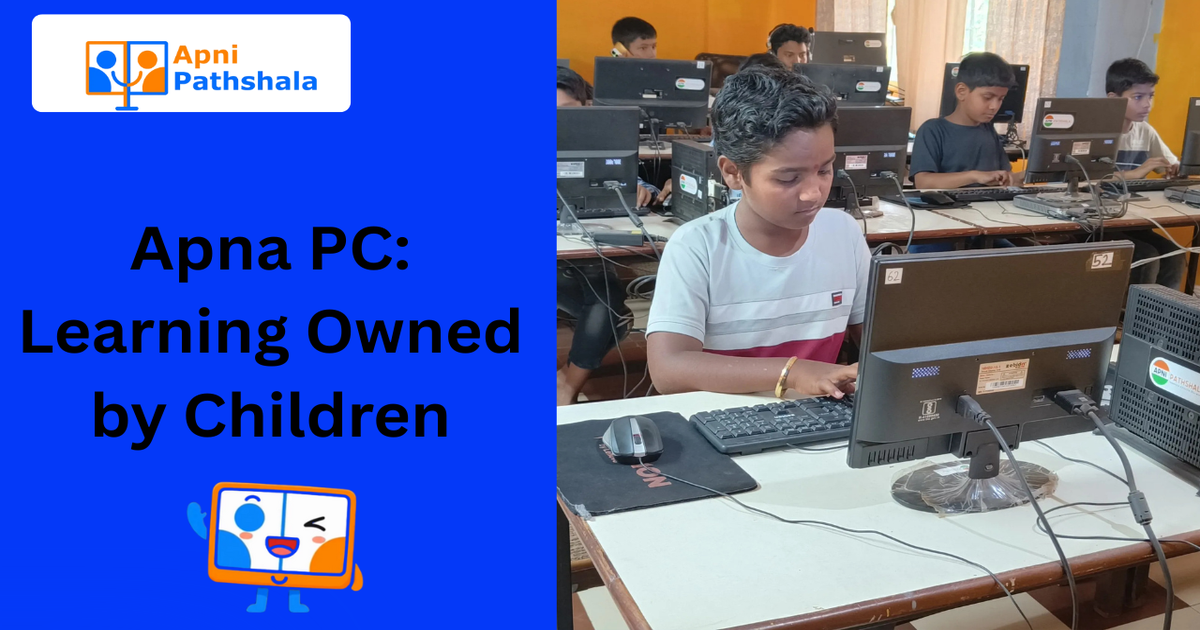
Modern careers require digital competence. From communication and research to coding and collaboration, technology plays a role in nearly every field.
Without digital access, students miss out on developing:
- Computer literacy
- Online communication skills
- Research and critical thinking abilities
- Career-ready technical skills
These are no longer advanced skills they are foundational skills.
Bridging the Digital Divide
The digital divide remains one of the biggest challenges in education. Students from underserved communities often rely on shared devices or mobile phones, which limit learning opportunities.
When digital access becomes a right:
- Education becomes more inclusive
- Rural and urban gaps reduce
- Social and economic barriers decrease
Access should not depend on income it should be guaranteed as part of education.
Supporting Independent Learning
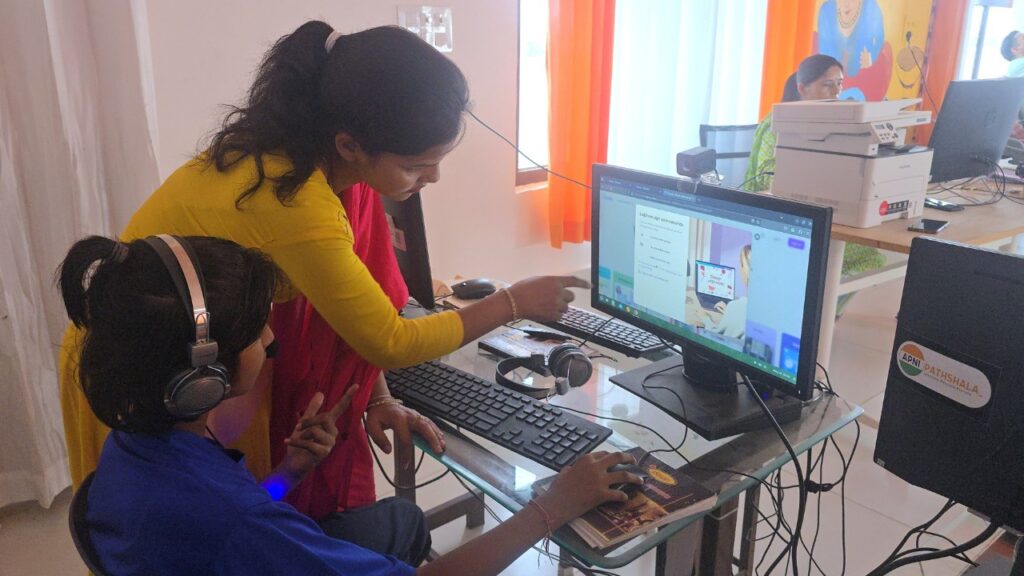
Digital access empowers students to take control of their learning journey. They can explore beyond textbooks, watch tutorials, practice through interactive tools, and research topics deeply.
Independent learning:
- Builds confidence
- Encourages curiosity
- Strengthens problem-solving skills
Without digital access, this independence becomes restricted.
Preparing for a Digital Future
The future of work, communication, and innovation is digital. Education must prepare students for that reality.
When students have consistent digital access, they:
- Adapt more easily to new technologies
- Develop comfort with digital tools
- Gain exposure to global knowledge
This preparation is essential for future success.
The Role of Schools, Communities, and Families
Making digital access a basic right requires collaboration. Schools must integrate technology thoughtfully. Communities must support digital initiatives. Families must encourage responsible usage.
When these efforts align, digital access becomes empowering rather than overwhelming.
Conclusion
Digital access is no longer a luxury it is a necessity. Just as textbooks were once revolutionary tools for learning, digital access now defines modern education.
To ensure equal opportunity, skill development, and future readiness, digital access must be recognized as a basic right. When every student has the tools to learn digitally, education becomes more inclusive, more powerful, and more transformative.
The future of education is connected and every student deserves to be part of it.