

Haripriya K.S. is 16 years old. She studies at ATMA Gurukulam in Thrissur, not in a metro city, not in a school with a well-funded computer lab, not in a family where technology was always around. And yet, sitting at a computer for the first time and exploring what it could do, she didn’t feel behind.
She felt like she was starting at the same line as everyone else.
That feeling matters. Because for rural students in India, the question isn’t whether they’re capable. It’s whether they get the same starting line.
The Real Gap Isn’t Intelligence
It’s easy to look at the difference in outcomes between urban and rural students and assume it’s about aptitude. It isn’t. Study after study and the lived experience of every teacher who’s worked in both settings confirm the same thing: rural students are just as capable, just as curious, just as motivated as their urban counterparts.
What they’re missing is access to the same tools.
A student in Bengaluru has a personal laptop. They can watch Khan Academy videos when they don’t understand something. They can research topics beyond the textbook. They can practice typing, coding, and presentation skills. They can explore careers and subjects they’re interested in without asking anyone’s permission.
A student in a rural district might share one computer in a school lab with 200 other students, get 20 minutes of screen time a week, and have no computer at home at all.
Same potential. Wildly different environment.
What Technology Actually Changes
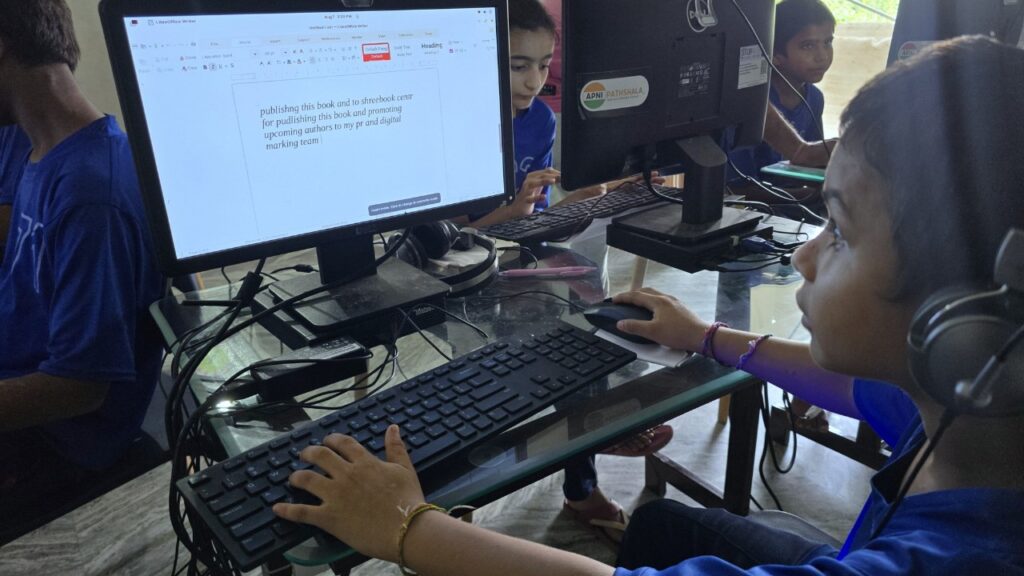
Let’s be specific about what happens when a rural student gets consistent, personal access to a computer:
- Learning doesn’t stop at the school gate. They can continue studying in the evening, on weekends, during holidays at their own pace, in their own time.
- They access the same content as urban students. Khan Academy, DIKSHA, and NPTEL are all free and online. The only barrier was the device.
- They develop digital skills alongside academic ones. Typing, creating documents, and building presentation skills that their city peers often develop casually just by having computers at home.
- They build confidence not just in technology, but in themselves as learners. The computer says yes when you put in the work. It doesn’t judge where you’re from.
Surendra’s Story Is the Template
Surendra Kumar Saini came from an economically weaker background. No inherited advantages. No family connections to the tech world. No expensive coaching or extra classes.
What he got was a computer and the time to learn on it. That was enough. Today, he runs an e-Mitra shop serving his community, building a livelihood, using technology that once felt out of reach.
His story isn’t an exception. It’s what happens when the barrier is removed. Rural students don’t need inspirational speeches. They need the same tools. When they get them, they run.
The Myth of the “Digital Divide” as Permanent
People talk about the digital divide as if it’s a fixed feature of reality. Something permanent and structural. But it isn’t. It’s a resource gap, and resource gaps can be closed.
The question isn’t whether technology can level the playing field. The evidence is clear that it can. The question is how to make the tools available at a price point that actually works for rural families, delivered in a form that actually works for rural contexts.
This is why the kind of computer matters, not just the presence of one. A device that’s preloaded with educational tools, doesn’t require constant software management, runs reliably without expensive maintenance, and comes configured for learning that device changes a rural student’s reality in a way that a random, generic laptop might not.
Digital Skills Open Doors That Schools Can’t
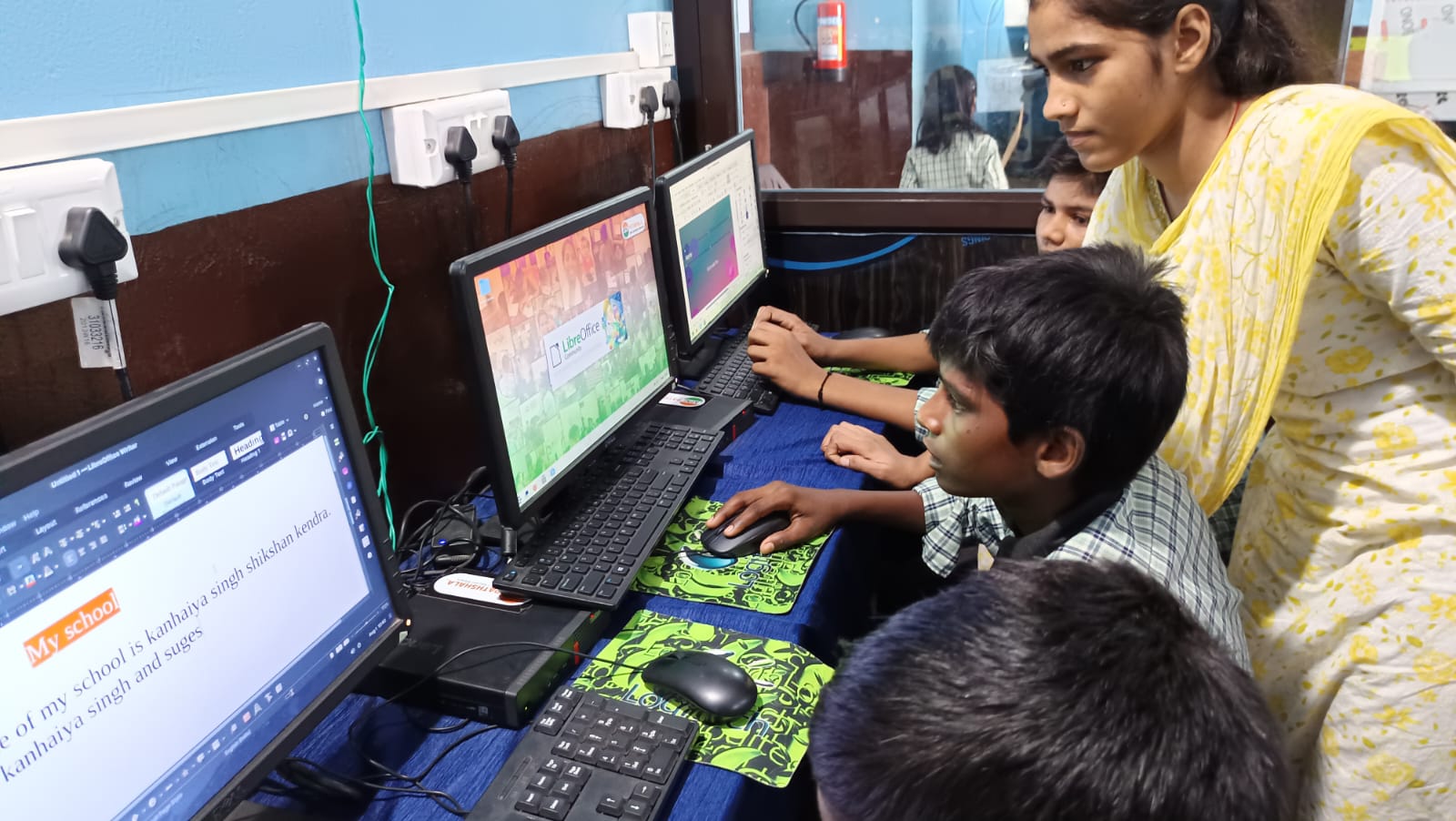
The formal school curriculum, even a good one, can’t prepare students for every career or opportunity they’ll encounter. But a student who knows how to research, create, communicate through technology, and learn independently? That student can teach themselves almost anything.
Rural students who develop genuine computer skills don’t just compete with city students on exams. They start accessing opportunities that their geography once made impossible. Remote work. Freelancing. Online courses from top institutions. Government service applications. Competitive exam preparation without paying for coaching centers.
Technology doesn’t erase geography. But it significantly reduces its power over a student’s future.
What Schools and Communities Can Do Right Now
Individual families can’t wait for systemic change. Here’s what actually moves the needle at the community level:
- Shared computer spaces, even one reliable computer available for 2-3 hours an evening, used by 10 students, create measurable learning outcomes
- Purpose-built devices over second-hand ones, a computer that’s been configured for learning is more valuable than a faster machine with no educational setup
- Teacher training alongside student access, a student with a computer, and no guidance, still gets less than a student with a computer and a teacher who knows how to integrate it into learning
- Free resource awareness, most rural families don’t know what’s available for free online; simply sharing that information changes what students do with the access they have
Haripriya’s Starting Line
Haripriya felt like she was starting at the same line. That feeling that the gap could be closed is exactly what keeps students going. When a rural student believes they can compete, they do compete. When they have the tools to back that belief up, they win.
The playing field isn’t level yet. But a computer in the right hands, configured the right way, is one of the most powerful steps toward making it level.
Want to be part of that change? See how Apna PC is built for exactly this: an education-first computer that gives every student the same starting line.