


Rahul’s Wake-Up Call: Why Understanding Technology Matters Right Now
Rahul sat in his 10th-grade classroom in Bangalore, staring at his computer screen during the coding assignment. While his classmate Priya quickly understood how the program worked, Rahul felt lost. He could use WhatsApp and Instagram perfectly, but he didn’t understand how they worked. That moment changed everything for him. He realised that technology skills weren’t just about passing exams; they were about understanding the world around him. This is the story of thousands of Indian students who use technology every day but don’t know how it actually works.
Understanding how technology works is no longer optional for students like you. Whether you are in school or college, developing these skills will shape your future in ways you cannot imagine. The digital revolution is not coming. It is already here, transforming every field from agriculture to medicine. Students who understand computer knowledge will have a clear advantage in the job market. Your ability to grasp how technology works will determine whether you lead the digital transformation or simply follow it.
What Does Understanding Technology Skills Really Mean?
Technology skills go far beyond knowing how to open Microsoft Word or scroll through social media. It means understanding the logic behind how computers think and solve problems. It includes learning how software and hardware work together to create the applications you use daily. When you understand these basics, you can troubleshoot issues, create solutions, and adapt quickly to new tools. This foundational knowledge is what separates digital consumers from digital creators.
Real computer knowledge helps you make better technology decisions in your life. You start asking questions like: How does my data stay safe online? Why does this app need access to my location? What makes one computer faster than another? These questions lead to smarter choices about your digital footprint and online security. You also begin to see opportunities where others see only problems.
Why Your Parents Should Care About Your Digital Learning
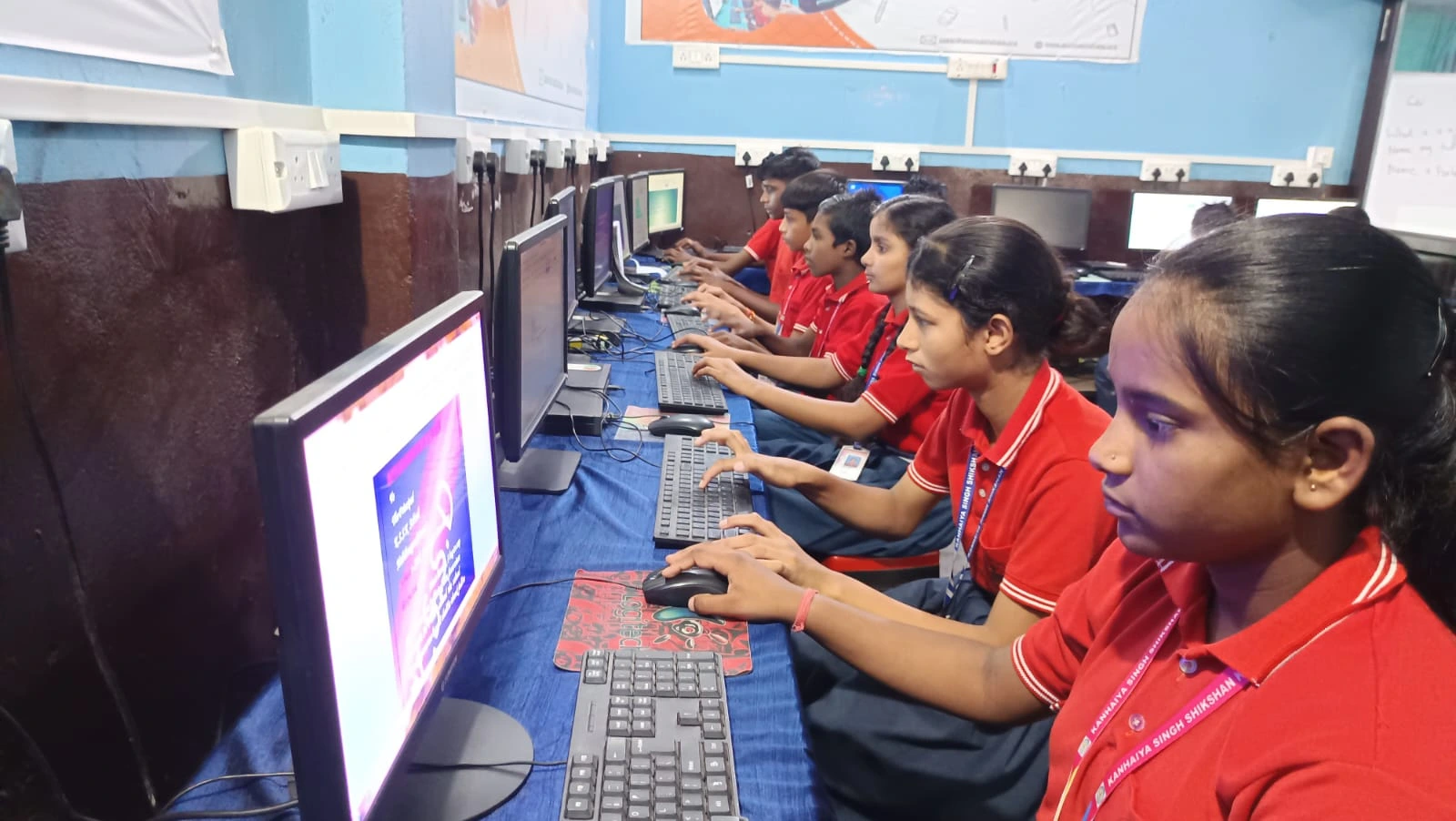
Parents often worry that their children spend too much time on screens without learning anything valuable. But here is the truth: the problem is not screen time itself, but how that time is spent. Digital learning, when done right, can unlock incredible potential in your child. According to UNESCO education research, students who understand technology fundamentals perform better across all subjects, not just computer science. Your child gains problem-solving skills that apply to mathematics, science, and even language learning.
Think about the jobs available today that did not exist ten years ago. Data scientist, app developer, digital marketer, cybersecurity expert. These roles require people who truly understand how technology works. By investing in your child’s technology skills now, you are investing in their future career prospects. India’s DIKSHA digital learning platform shows how millions of students are already bridging this gap. Your child should not be left behind.
The Foundation: How Software and Hardware Connect
Many students think of computers as magic boxes. You press a button, and something happens, but how? Understanding how software and hardware work together is the foundation of all technology skills. Hardware is the physical machine: the keyboard, screen, processor, and memory. Software is the set of instructions that tells the hardware what to do. When you learn this connection, every piece of technology suddenly makes sense.
This understanding opens doors to coding, app development, and digital innovation. You start to see that creating software is not mystical. It is problem-solving with logic and creativity. Students who grasp this concept often discover they have a talent for technology they never knew existed. Learning information technology basics in school should be as essential as learning mathematics or English.
Building Technology Skills: Where to Start
You don’t need expensive resources or complicated setups to start building these skills. Start with the basics: learn how to use operating systems effectively, understand file management, and explore how programs work. Many schools now offer coding classes using platforms like Scratch, which teaches programming logic through visual blocks. Your school might also have access to DIKSHA resources that provide free tutorials.
The key is consistent, hands-on practice. Reading about technology helps, but real learning happens when you work with computers. You need a reliable machine where you can experiment, make mistakes, and learn from them. This is where having the right educational computer makes a difference. A device built specifically for learning, with pre-loaded software like Scratch for coding and LibreOffice for productivity, removes barriers to getting started.
Your Computer: A Tool for Student Growth
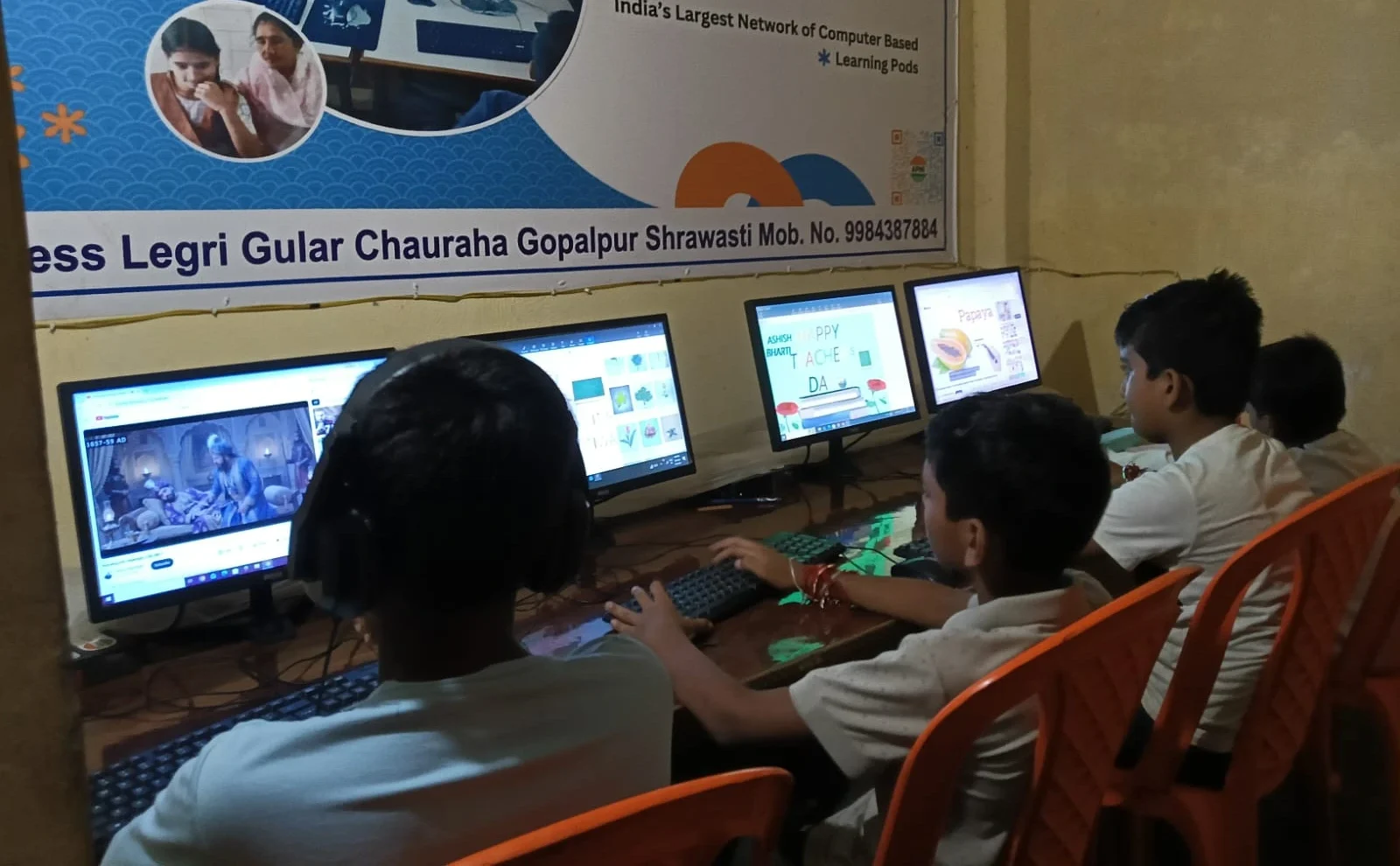
Apna PC is an educational computer designed specifically for students like you who want to build real skills. Built by Apni Pathshala, it comes pre-loaded with Zorin OS, a user-friendly operating system that teaches you how systems work. You get Scratch to learn coding, LibreOffice to create documents and spreadsheets, and Apni Prerna to track your learning progress. At Rs.30,000 (shipping and GST excluded), it is an investment in your digital future, not just another gadget.
The beauty of Apna PC is that it is built for learning, not distraction. You will not find games or unnecessary apps consuming your attention. Instead, you get 8GB RAM and a 128GB SSD for smooth performance with educational software and coding projects. This device helps you understand how software and hardware work together in a real, practical way. You are not just using a computer. You are learning how it works from the inside.
The Real-World Impact of These Skills
Students who develop strong tech skills early gain confidence that extends beyond computers. They approach problems differently, breaking them into smaller pieces and solving them systematically. This logical thinking helps in mathematics, science, and even creative subjects. Teachers report that students with computer knowledge adapt faster to new learning tools and platforms. Your brain actually develops new pathways when you engage with technology at this deeper level.
Consider the student who understands how a website is built versus one who just visits websites. The first student can create their own website, start a digital business, or contribute to open-source projects. The second student remains a consumer. The difference is not intelligence. It is understanding. In India’s growing tech industry, this understanding is literally worth crores in career opportunities.
Making the Decision: Is Now the Right Time?
You might be thinking: “I am already using a computer at school or an internet cafe. Do I really need my own device?” The answer depends on how committed you are to building real skills. Shared computers limit your ability to experiment and learn at your own pace. You cannot install software, create long-term projects, or practice consistently. Having your own educational computer removes these barriers completely.
This is not about having the latest or most expensive machine. It is about having a device designed for your learning journey, with the right software and specifications to support your growth. Whether you are interested in coding, digital design, or simply understanding how the world works, Apna PC gives you the platform to explore. Your future self will thank you for starting now.
The question is not whether you should understand how technology works. It is when you will start. Visit apnapc.com to learn more.