


Rahul’s Wake-Up Call: Why Future Work Skills Matter Now
Rahul sat in his 10th-grade classroom in Bangalore, staring at his math notebook. His teacher announced that the final project required students to create a digital presentation using spreadsheets and charts. Rahul felt his stomach drop. He had never used a computer for anything beyond watching YouTube videos. While his classmate Priya opened her laptop and started building graphs in minutes, Rahul realised something stark: he was falling behind not just in school, but in future work skills that would define his career.
This is not an uncommon story across India. Many students like Rahul do not have regular access to computers at home or school. Yet the job market is changing fast. Whether you want to become an engineer, accountant, teacher, or entrepreneur, future work skills now demand technology literacy from day one. Your ability to use computers confidently can separate you from thousands of other candidates when you enter college or the workforce.
The Gap Between School Learning and Workplace Expectations
Indian schools follow curricula set by bodies like the CBSE that include computer science subjects. However, many schools lack proper computer labs or updated equipment. Students learn theory but rarely get hands-on practice with real-world tools. This creates a dangerous gap between what you learn in class and what employers actually need.
The Digital India initiative aims to bridge this divide, but progress is slow in many regions. Your parents may worry that you are not getting enough exposure to technology. Your teachers may not have the resources to teach practical skills. This is why taking personal responsibility for building career skills early matters so much.
When you graduate and enter the job market, recruiters will expect you to know:
- Office productivity tools like word processors, spreadsheets, and presentation software
- Basic coding or programming logic through languages like Scratch or Python
- Digital communication using email, video conferencing, and collaborative platforms
- Data handling and analysis to make informed decisions
- Problem-solving using technology rather than just memorising answers
These are not optional skills anymore. They are baseline requirements across almost every sector in India, from IT to agriculture to healthcare.
How Regular Computer Access Builds Future Work Skills
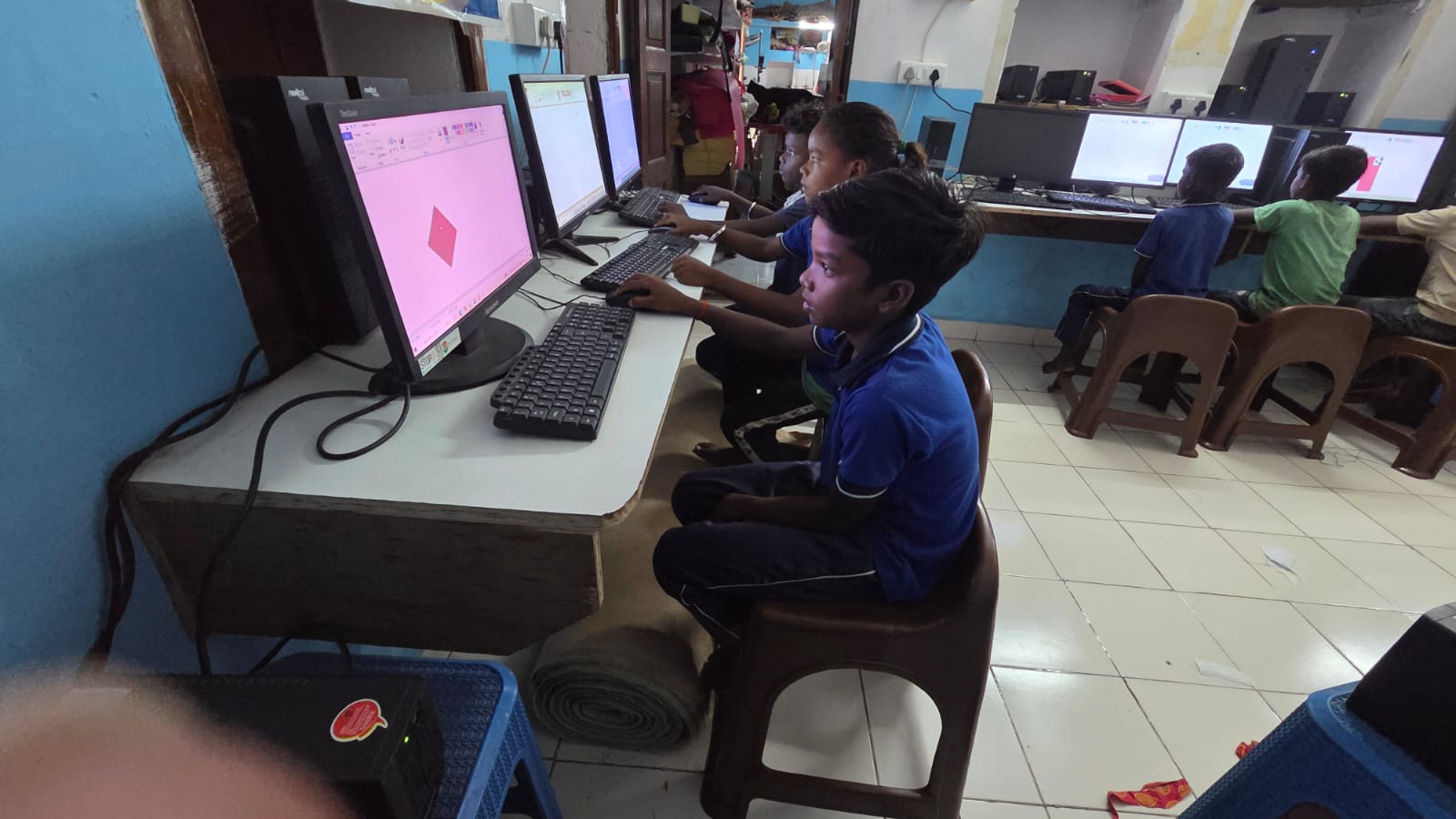
When you have your own computer at home, your learning shifts. You stop seeing technology as something mysterious that lives only in school labs. You start experimenting, making mistakes, and learning from them. This hands-on experience builds confidence and real competency that no textbook can teach.
Consider what happens when you work on a project using a real computer. You learn how to organise files, manage your time, troubleshoot problems, and present your work professionally. These are exactly the skills your boss will expect on day one. By practising now, you are not just preparing for exams. You are preparing for your actual career.
Students who develop professional computer skills early report higher confidence in interviews. They can speak about their technical abilities with real examples. They are not nervous when asked to use unfamiliar software because they understand basic computer logic. This confidence often makes the difference between getting hired and being rejected.
Learning Coding and Creative Thinking Through Computers
One of the most valuable future work skills is learning to think logically and solve problems systematically. Coding teaches you exactly that. Tools like Scratch make programming accessible even for younger students by using visual blocks instead of complex text.
When you learn coding, you are not just learning a technical skill. You are learning how to break down big problems into smaller steps, how to debug when things go wrong, and how to think creatively about solutions. These skills apply to every job you will ever have, whether you become a software engineer or a business manager.
The Ministry of Education recognises coding as an essential skill for future generations. Schools across India are slowly adding coding to their curriculum. But you do not have to wait for your school to catch up. You can start learning right now with the right tools and resources.
Why Apna PC Is Designed for Your Future
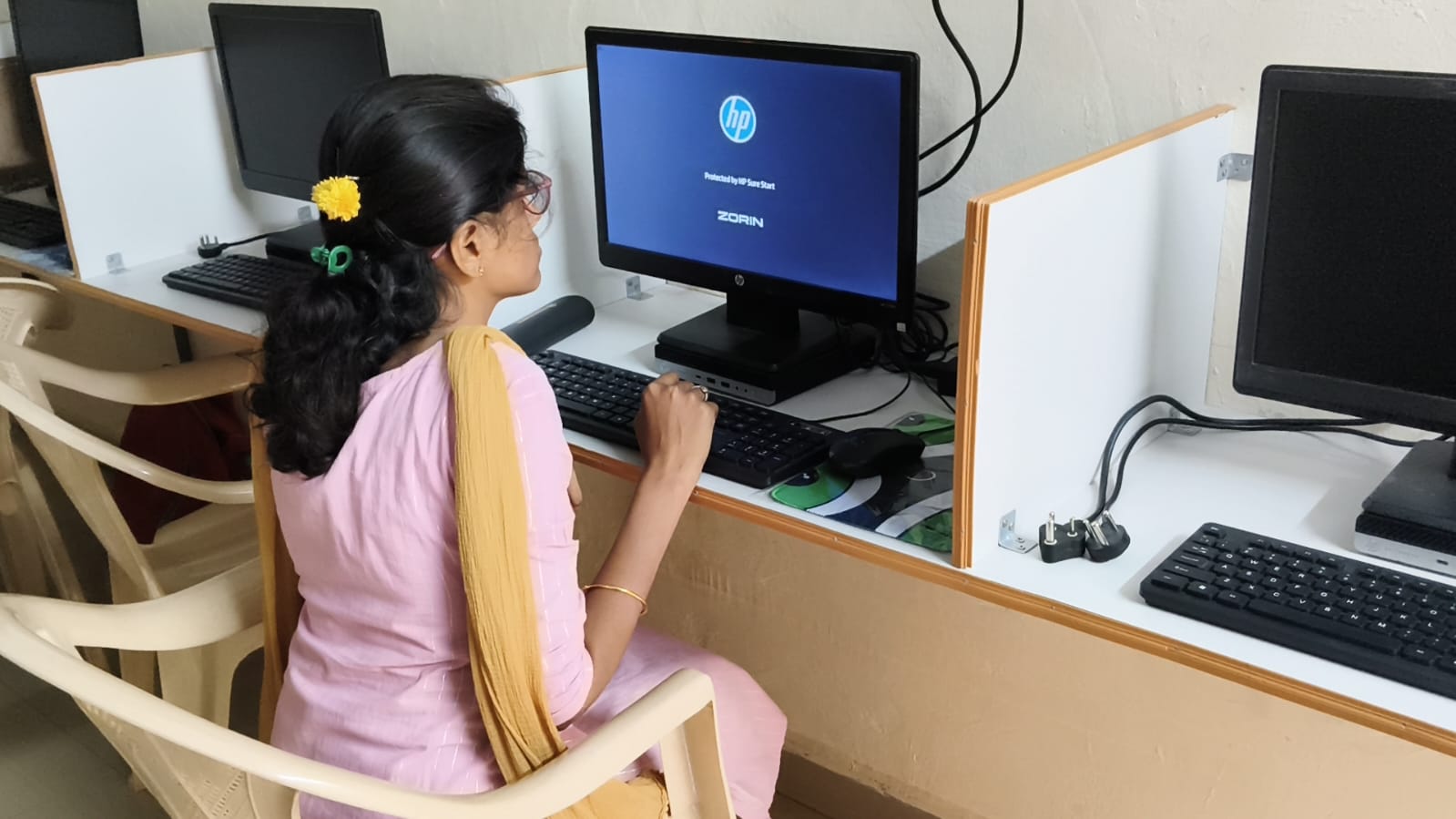
Apna PC is built specifically for Indian students like you. It comes pre-loaded with everything you need to start building career skills today. You get Zorin OS, a user-friendly operating system that does not require expensive licenses. You get LibreOffice to create documents, spreadsheets, and presentations like professionals. You get Scratch for learning coding through visual programming.
At just Rs.30,000 (shipping and GST excluded), Apna PC removes the barrier of expensive computers. Your parents do not need to spend lakhs on a fancy gaming laptop. You get exactly what you need: a reliable machine with 8GB RAM and 128GB SSD storage that handles schoolwork, coding projects, and learning new software without lag or frustration.
The Apni Prerna monitoring system helps you stay focused on your studies. Your parents can track your progress and ensure you are using your computer time productively. This is not about surveillance. It is about creating accountability and helping you build healthy habits around technology use.
Apni Pathshala provides educational resources and tutorials to help you make the most of your computer. You are not just buying hardware. You are joining a community committed to student development and career growth.
Taking Action: Your First Steps Today
You don’t need to wait until college to start building future work skills. The time to start is now, during your school years. Every hour you spend learning to use a computer productively is an investment in your career. Every project you complete, every skill you master, every problem you solve using technology makes you more valuable to future employers.
Talk to your parents about investing in a computer for your education. Show them this post. Help them understand this isn’t a luxury but a necessity for your future success. If your school does not have adequate computer labs, take matters into your own hands. Your career depends on the skills you build today.
Rahul eventually got access to a computer. He started practising spreadsheets and presentations. By 12th grade, he was helping other students with their projects. Today, he works in a data analytics company, and those early skills gave him the head start he needed. Your story can be similar, but only if you start now.
Don’t let lack of access keep you from building the skills that will define your career. Visit apnapc.com to learn more.