


Rajesh’s Dilemma: Why His Son’s Skills Felt Incomplete
Rajesh sat in his small electronics shop in Indore, watching his 14-year-old son Arjun scroll through Instagram reels on his smartphone. The boy could navigate any app, edit videos, and chat fluently in three languages online. Yet when Rajesh asked him to type a formal letter or create a simple spreadsheet for the shop’s inventory, Arjun looked completely lost. This is the reality many parents in Tier 2 and Tier 3 Indian cities face today. Your child may be a mobile app expert but lack the fundamental technology skills colleges and employers actually demand. Building computer skills goes far beyond tapping screens. Your student needs hands-on experience with real computers, coding, document creation, and digital skills that shape their future.
The Mobile App Trap: Why Smartphones Aren’t Enough
Mobile phones have revolutionised access to information, but they’ve created a dangerous skill gap. Your child can download an app and use it instantly, but they can’t build one, troubleshoot problems, or work with professional software. Apps are designed to be simple. Computers demand deeper thinking and problem-solving abilities.
Consider what happens in a real classroom or office. Teachers assign projects in Microsoft Word or Google Docs. Colleges require you to submit assignments in specific formats. Employers expect employees to work with spreadsheets, presentations, and databases. None of these is available as simple mobile apps with the same functionality and control. A student who only knows mobile apps will struggle when they face these real-world demands.
The DIKSHA digital learning platform and countless online courses now require proper computer access for serious learning. Mobile browsers can’t handle complex coding environments, design software, or collaborative projects effectively.
Computer Skills Your Student Actually Needs Right Now
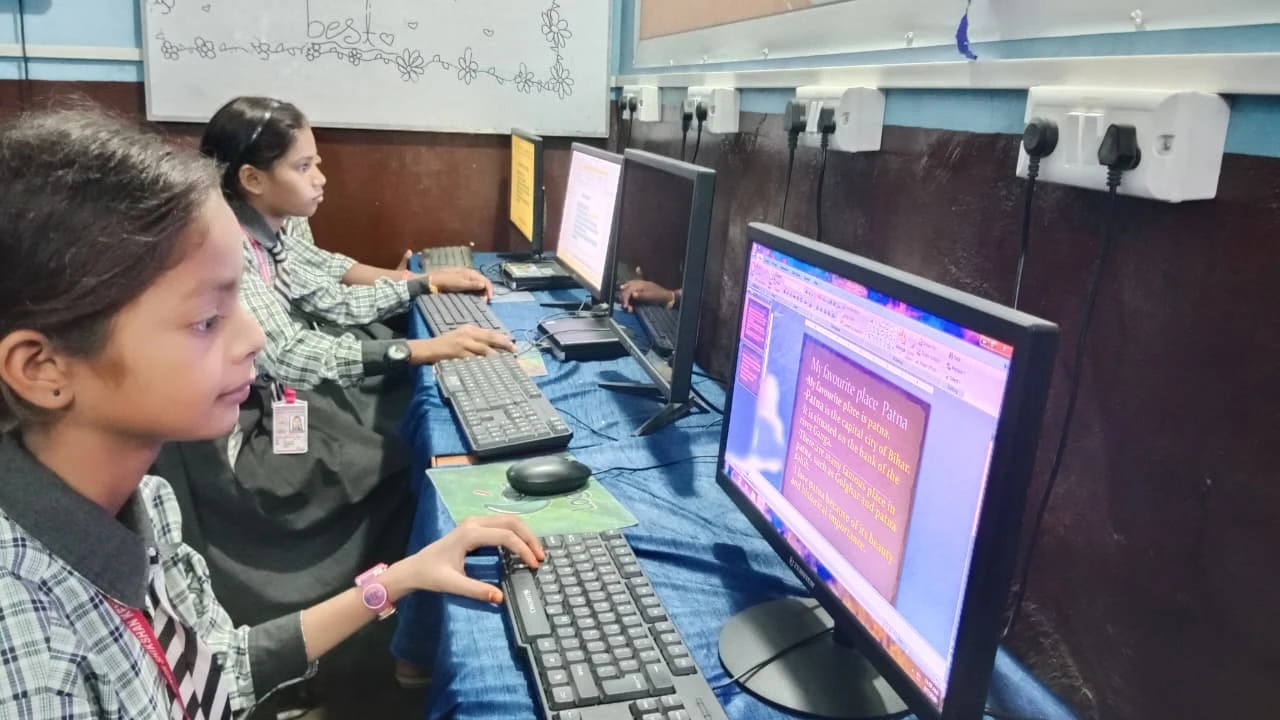
Let’s talk specifics. What technology skills should your child develop?
- Document Creation and Formatting: Writing essays, reports, and formal letters with proper structure, fonts, and styling. This skill is tested in every school board exam and college entrance test.
- Spreadsheet Management: Organising data, creating simple calculations, and presenting information visually. Commerce and science students need this for projects and future careers.
- Coding and Programming Logic: Understanding how software works and learning languages like Scratch or Python. This trains logical thinking and problem-solving abilities that transcend technology.
- Digital File Organisation: Managing folders, backing up work, and understanding file formats. Sounds basic, but most students don’t know how to do this properly.
- Online Safety and Digital Ethics: Protecting personal information, recognising scams, and using technology responsibly. Essential in today’s connected world.
These aren’t fancy skills. They’re foundational abilities that determine success in school, college, and careers. Your student needs a proper computer to develop them, not just a smartphone.
Why Your Child’s School Computer Lab Isn’t Enough
Most schools in smaller cities have computer labs with outdated machines or limited access. Your child might get one hour per week in a crowded lab with 40 other students competing for attention. That’s not enough time to build real proficiency. Imagine learning to swim with just one supervised session per week in a crowded pool. You won’t become a swimmer.
Your student needs regular, personal access to a computer at home. This lets them practice coding, work on projects at their own pace, and build confidence. With a computer at home, you can help your child build digital skills for English assignments, science projects, and competitive exam preparation.
The Indian Ministry of Education has emphasised the need for digital literacy across all students. Yet most homes in Tier 2-3 cities still don’t have a dedicated computer for learning.
How a Home Computer Transforms Your Child’s Learning
When your child has access to a proper computer at home, everything changes. They can practice coding on Scratch, a visual programming language that teaches logic without complex syntax. They can create presentations, edit documents, and organise their study materials professionally. They can access online courses and educational resources that require actual computers, not just mobile browsers.
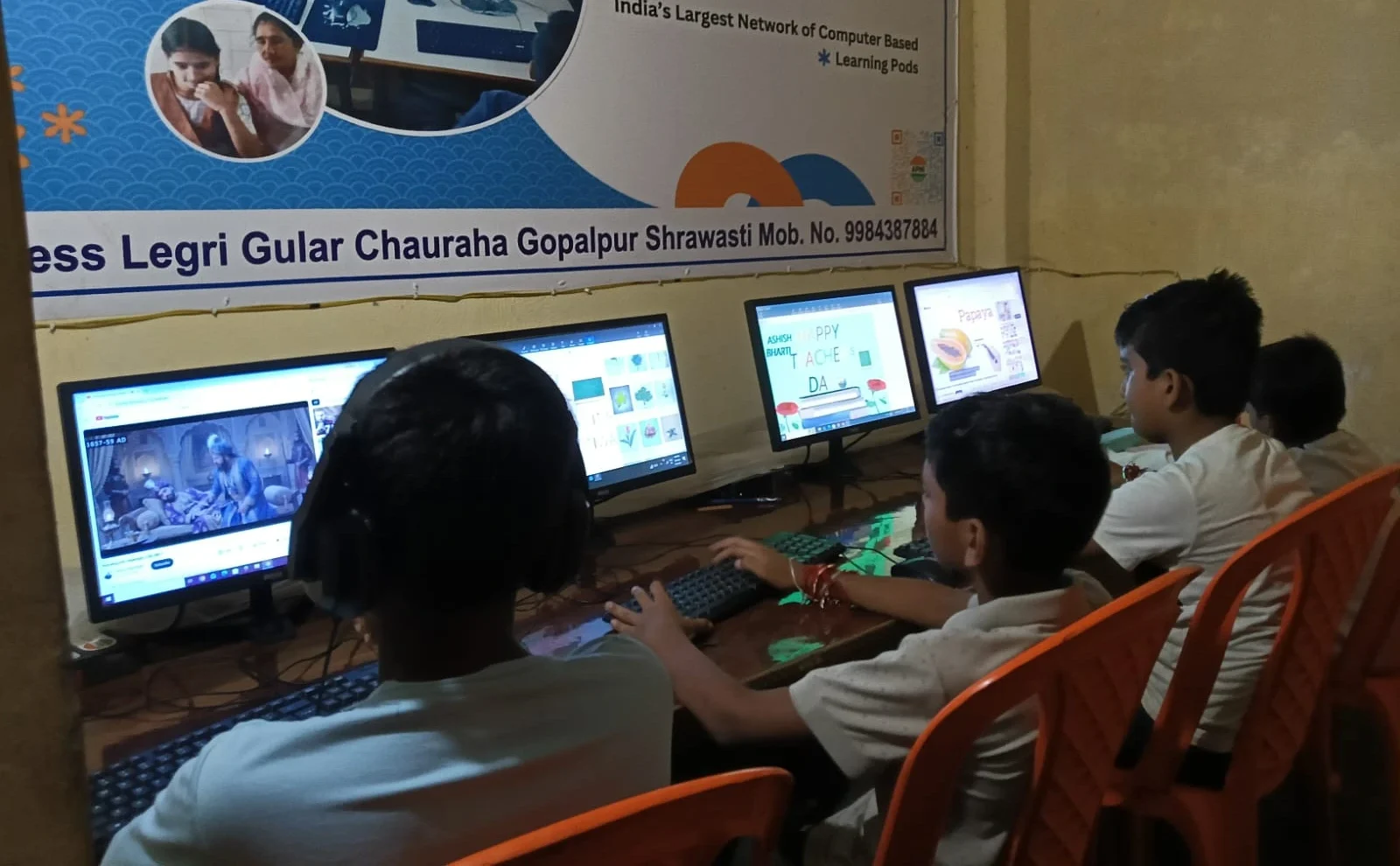
More importantly, they develop independence and responsibility. They learn to troubleshoot problems, manage their digital workspace, and take ownership of their learning. These are life skills that go beyond academics. Check out how students beyond textbooks are transforming their learning with proper computer access.
A home computer also levels the playing field. Students in metro cities have had this advantage for years. Your child in Indore, Nagpur, or Lucknow shouldn’t be left behind just because they live in a smaller city.
Introducing Apna PC: Technology Skills Made Accessible
This is where Apna PC comes in. Created by Apni Pathshala, it’s an educational computer designed specifically for Indian students at Rs.30,000 (shipping and GST excluded). It’s not a gaming machine or a luxury item. It’s a focused learning tool.
Apna PC comes pre-loaded with everything your child needs. Zorin OS provides a clean, easy-to-use interface. LibreOffice handles all document and spreadsheet work. Scratch enables coding without confusion. Apni Prerna allows you to monitor your child’s learning progress. With 8GB RAM and 128GB SSD, it handles all student tasks smoothly and quickly.
The price point matters. At Rs.30,000, Apna PC is affordable for middle-class families in Tier 2-3 cities. You’re not paying for gaming graphics or unnecessary features. Every component serves your child’s education. Compare this to high-end laptops costing Rs. 80,000 or more, and you’ll see the value.
Real Skills for Real Futures
Your child’s future depends on technology skills that go far beyond mobile apps. Colleges expect computer literacy. Employers demand it. Competitive exams test it. By providing your student with proper computer access now, you’re investing in their foundation for success.
The question isn’t whether your child needs technology skills. The question is when you’ll give them the tools to develop them properly. Discover how Apna PC can transform your child’s learning journey today. Visit apnapc.com to learn more.