


Rajesh’s Dilemma: When Study Holidays Become Wasted Time
Rajesh sat in his Delhi kitchen last October, watching his son Arjun scroll through YouTube instead of studying for his Class 10 board exams. The Diwali study holidays were starting, and they’d planned two full weeks for revision. By day three, Arjun had barely opened his books. “These breaks are useless,” Rajesh thought, frustrated. He knew something had to change. Like many parents in Tier 2 and Tier 3 cities, Rajesh wanted to help his son use study holidays wisely, but didn’t know where to start. A smart revision plan during these crucial breaks can make the difference between average marks and excellent results.
Why Study Holidays Matter More Than You Think
Study holidays aren’t just time off from school. They’re golden opportunities to catch up, revise weak topics, and build exam confidence. During regular school days, your child rushes through lessons and homework. These breaks give them breathing room to go deep into subjects. Official CBSE resources emphasise that consistent revision during breaks improves retention by 40 per cent. Without a plan, these days slip away into gaming, social media, and panic.
Arjun’s mother, Priya, realised this after talking to other parents in her WhatsApp group. One mother shared how her daughter scored 92 per cent just by structuring her Diwali break into focused study sessions. That conversation changed everything for Rajesh and Priya. They decided to create a revision plan that actually worked.
Building Your Revision Plan: Step by Step
Start by listing all subjects and topics your child needs to cover. Break subjects into smaller chunks. For example, Mathematics could be: Algebra (2 days), Geometry (2 days), Trigonometry (3 days). This chunking makes exam breaks feel manageable instead of scary.
Next, create a daily timetable. Most experts suggest 5-6 hours of focused study per day, with proper breaks. Here’s what works:
- Morning session (2 hours): Study new or weak topics when your child’s mind is fresh
- Break (30 minutes): Snack, walk, or stretch
- Mid-morning session (2 hours): Continue with the next topic or consolidate learning
- Lunch break (1 hour): Rest properly; don’t let study bleed into mealtime
- Afternoon session (1-2 hours): Practice previous year question papers or solve problems
- Evening: Light review or reading, no heavy studying
Rajesh printed this schedule and stuck it on Arjun’s study desk. Arjun could see exactly what he needed to do each day. Clarity reduces procrastination. Your child will feel less anxious when they know what’s expected.
The Technology That Changed Arjun’s Revision
Three days into following the plan, Arjun hit a wall. He’d finish studying a topic, but then what? He needed a place to practice, track progress, and stay organised. Rajesh remembered reading about Apna PC, the educational computer from Apni Pathshala designed exactly for situations like this.
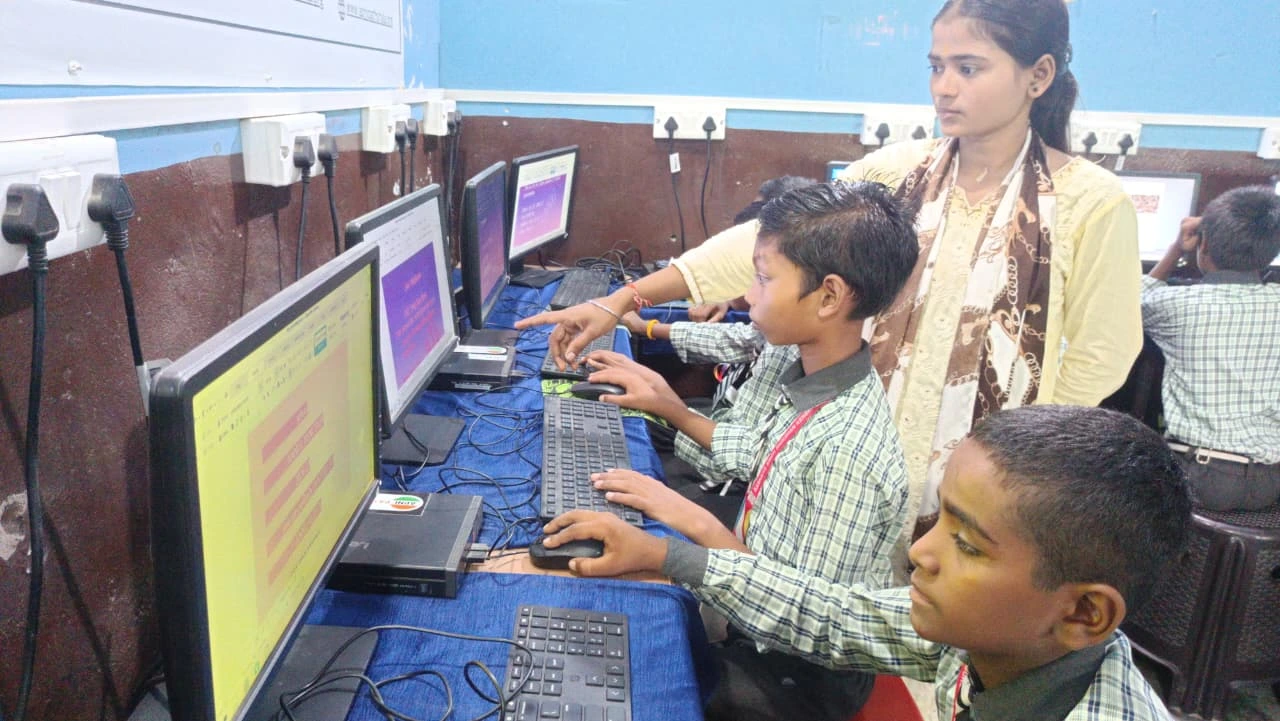
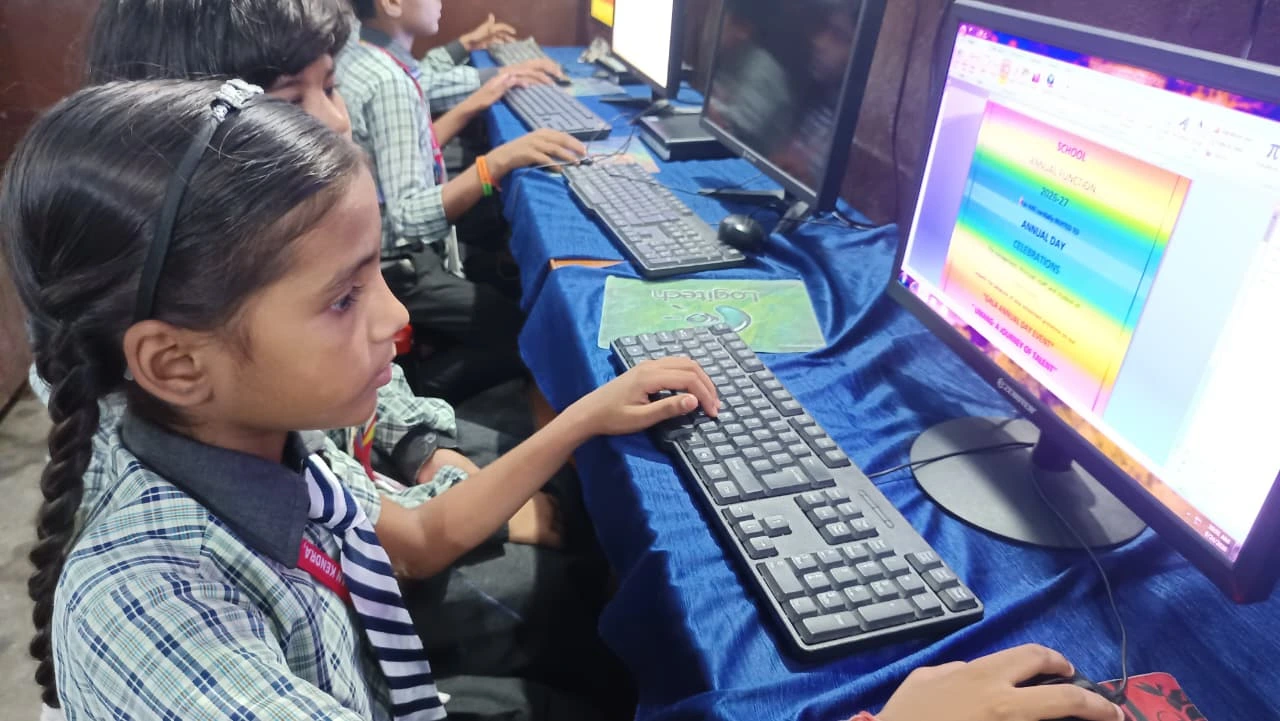
Apna PC comes pre-loaded with tools perfect for focused revision. It includes Apni Prerna, a student-monitoring feature that helps track study time and progress. The computer also comes with LibreOffice for making notes and Scratch for learning coding concepts visually. At Rs. 30,000 (shipping and GST excluded), it’s an investment in your child’s education that lasts years. 8GB RAM and 128GB SSD mean smooth multitasking without lag.
When Arjun started using Apna PC for his revision, things shifted. He could watch concept explanations, solve online tests, and track which topics he’d mastered. The computer didn’t distract him with notifications like a smartphone. Zorin OS, the operating system on Apna PC, is designed for focus.
Exam Preparation Tips for Maximum Results
Beyond just owning a study device, follow these exam preparation tips during exam breaks. First, solve previous year question papers daily. This isn’t optional; it’s essential. Your child learns the exam pattern, time management, and question types. Second, maintain a mistakes notebook. Write down every wrong answer with the solution. Review this notebook the day before the exam.
Third, study in blocks with breaks. The Pomodoro technique works: 25 minutes of focus, 5 minutes of break. After four blocks, take a longer 15-minute break. Your brain retains information better with this rhythm than marathon study sessions. Fourth, teach your child to explain concepts out loud. If they can teach it to you or a friend, they truly understand it.
Maintaining Study Routine Balance
Here’s where parents often fail: they push too hard during exam prep and burn their kids out. By the time the exam arrives, your child is exhausted and resentful. Balance is everything. Follow the study routine balance principle: maintain consistent sleep (8 hours), exercise (30 minutes daily), and meals at regular times.
Arjun’s parents insisted he play cricket for 45 minutes every evening. His mother made his favourite snacks. They didn’t scold him if he took a slower day. This balance kept Arjun motivated throughout the break. Your child’s mental health during exam prep is as important as completing the syllabus. A happy, rested student performs better than an anxious, exhausted one.
What Happened to Arjun
When the boards came, Arjun wasn’t nervous. He’d revised every topic systematically. He’d practised hundreds of problems on Apna PC. He knew his weak areas and had strengthened them. His exam performance showed it: 87 per cent overall, with 92 in Math. Rajesh and Priya’s initial frustration had transformed into a success story. Your family’s story can be similar.
Your Action Plan Starts Now
Don’t wait for the next break to start planning. Begin today by mapping your child’s weak topics. Create a timetable this weekend. Consider how a dedicated study device like Apna PC could remove digital distractions during revision. Study holidays are precious time, and they won’t come back. Your child’s performance depends on how wisely you use them. Visit apnapc.com to learn more.