


Ravi’s mother sat across from him at the kitchen table last Tuesday evening. His board exam was three weeks away. She’d bought him expensive coaching classes, stacks of reference books, and a subscription to an online learning platform. Yet when she asked, “Are you ready?” his shoulders slumped. “I’m prepared,” he said quietly, “but I don’t feel ready.”
That gap between preparation and readiness is where most Indian students struggle. Exam preparation involves collecting resources, completing syllabi, and solving past papers. But readiness? That’s different. Readiness means confidence, independent thinking, and the ability to handle pressure when it matters most.
This distinction matters because an exam is not just a test of memory. An examination measures how a student applies knowledge under time constraints and emotional pressure. A child can memorise formulas but freeze during the exam. They can solve practice problems at home but panic when the question is worded differently. Study skills alone don’t bridge this gap.
Why Traditional Exam Preparation Falls Short
Most Indian parents focus on what’s measurable: completed chapters, mock test scores, and hours spent studying. These matter, but they’re not enough. A child who studies for six hours daily but does so passively- reading, highlighting, watching videos- may feel exhausted rather than confident.
The real problem? Passive learning creates dependency. When a child always has a tutor to explain, a parent to guide, or a solution manual to check, they never develop the mental muscle to think independently during an exam. On exam day, that support vanishes. The child sits alone with the question paper.
This is where building independent learning habits through technology becomes crucial—a personal computer designed for learning shifts the responsibility to the student in a healthy way.
How Technology Changes Exam Preparation
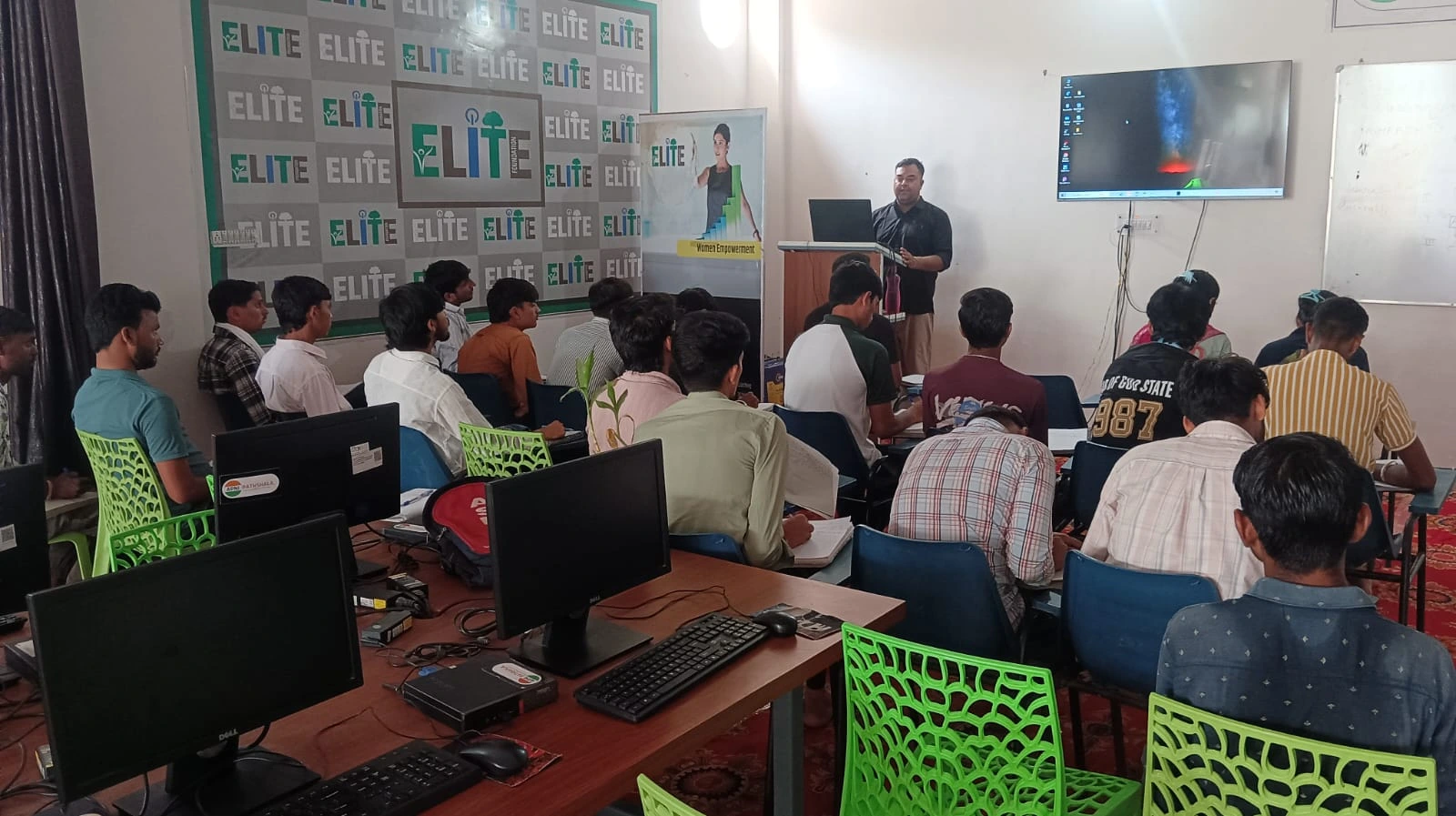
Apna PC is built specifically for Indian students in classes 5 through 12. At just Rs. 21,000, it’s affordable for most families. But the real value isn’t the price. It’s what the device enables: independent, self-paced study without constant adult intervention.
When a student has their own learning device, they practice making decisions. Should they solve this problem first or that one? Should they spend 10 minutes understanding the concept or move ahead? These micro-decisions build confidence. By exam day, decision-making feels natural, not stressful.
Apna PC also eliminates distractions that derail focus. No social media notifications. No YouTube rabbit holes. Just focused study time. Students report that this focused environment helps them enter a flow state, where learning feels effortless rather than forced.
Building Exam Tips That Matter on Test Day
Real readiness comes from practising under conditions that mimic the actual exam. This means timed practice, solving new problems (not just repeating the same ones), and learning to manage anxiety.
One critical skill is time-pressure problem-solving. A student might solve 20 problems correctly in 90 minutes at home. But in a two-hour exam with 30 problems, the pressure changes everything. Apna PC helps students practice problem-solving under realistic time constraints, training their brain to stay calm when the clock is ticking.
Another skill is handling unfamiliar question formats. CBSE exams, state board exams, and competitive entrance tests all vary slightly in how they phrase questions. A child who’s only solved their textbook problems may freeze when a question looks different. With Apna PC, students access diverse question banks and learn to extract the core concept regardless of how it’s presented.
The Emotional Side of Exam Preparation
Parents often underestimate the emotional component of readiness. A child who feels they’ve truly understood the material carries that confidence into the exam hall. A child who’s merely memorised carries doubt.
When studying involves active learning, solving problems, making mistakes, correcting them, and trying again, the brain forms stronger memories. More importantly, the child experiences mastery. They see themselves improving week by week. This internal evidence of progress builds genuine confidence, not false bravado.
Apna PC supports this by showing students their progress visually. They can see how many problems they’ve solved, which topics they’ve mastered, and which need more work. This clarity reduces anxiety because students know exactly where they stand.
Practical Study Tips for Parents
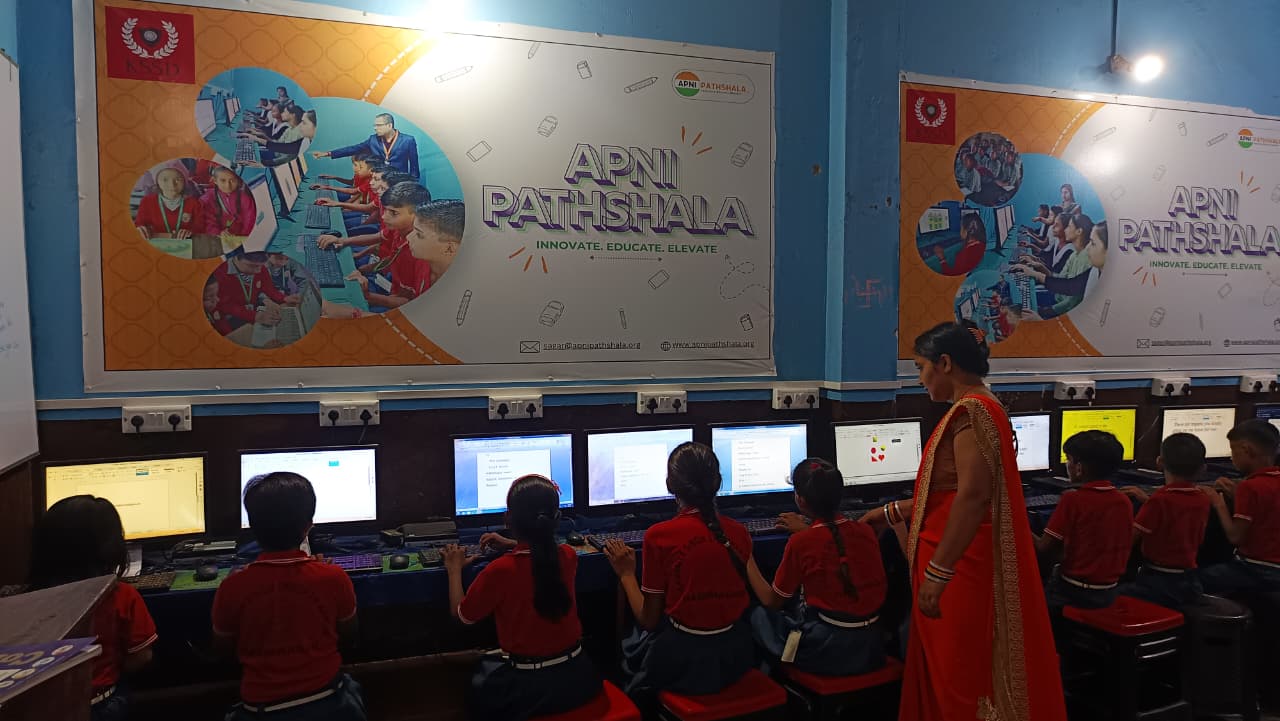
First, give your child a dedicated learning space with minimal distractions. A personal computer designed for learning, like Apna PC, creates this boundary automatically.
Second, resist the urge to check their work constantly. Let them struggle a bit, make mistakes, and correct themselves. This builds resilience, which is essential when they face difficult questions during the actual exam.
Third, encourage them to explain concepts aloud. If they can teach it to you or a sibling, they truly understand it. This is active learning, not passive studying.
Fourth, ensure they’re sleeping well and eating properly. Study sessions that sacrifice sleep are counterproductive. A tired brain can’t learn efficiently or handle pressure well.
For additional guidance, check the CBSE official exam resources if your child studies under CBSE, or your state board’s website for specific exam guidelines and syllabus updates.
From Prepared to Ready: The Real Difference
When Ravi’s mother asked him the same question two months later, his answer was different. “I feel ready,” he said. Not because he’d studied more hours, but because he’d studied smarter. He’d practised independently, solved problems under time pressure, and built confidence through visible progress.
That’s what good exam preparation should do: transform anxiety into confidence, dependence into independence, and fear into readiness.
Visit apnapc.com to learn more about how Apna PC can transform your child’s study routine and help them feel truly ready on test day.