

Most families believe that an internet connection is all a student needs to succeed in digital learning. Give them a phone with data, and they should be fine. But the reality students discover quickly is that internet access is just the entry point, not the destination. Succeeding in online education requires more than the ability to load a video. It requires the right device, the right environment, and reliable, uninterrupted access to both, every single day.
The Real Challenges of Online Education
When schools shifted online, the focus was almost entirely on connectivity. Could students get online? Did they have data? These were the questions families and governments scrambled to answer. But as the months passed, a deeper truth became clear: connectivity alone could not close the learning gap.
Online education challenges go far beyond poor signal strength. Students on smartphones could not type assignments efficiently. They struggled with timed tests because touch typing on a phone is painfully slow. Video calls became exhausting on a small screen. Files could not be downloaded, organised, and managed in the way a proper academic workflow demands. And perhaps most critically, a phone shared between siblings meant no one got the focused, uninterrupted time that digital learning genuinely requires.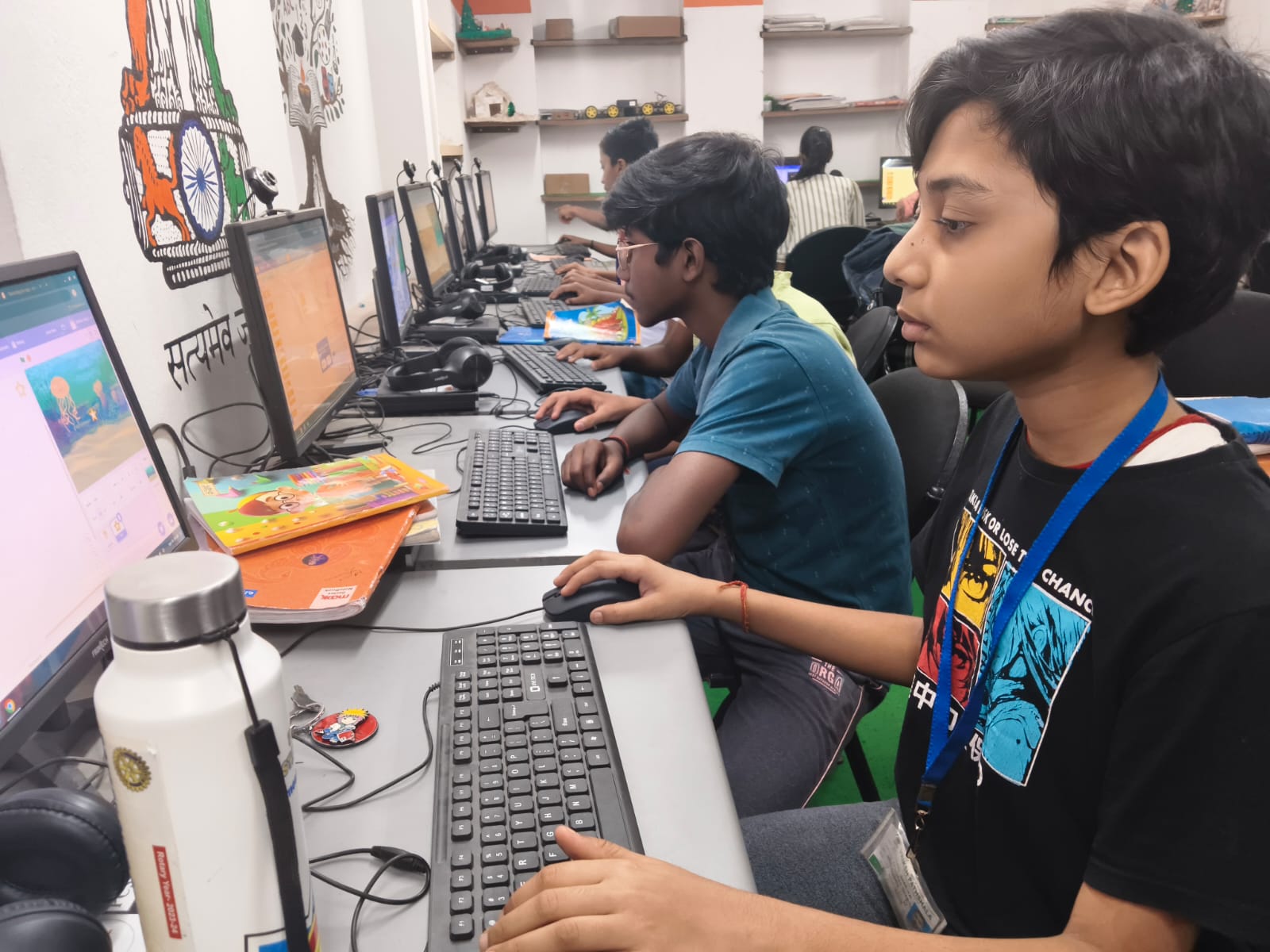
The problem is rarely the student’s effort or even their internet speed. The problem is a mismatch between the device being used and the task’s real demands. Online education at the secondary and higher-secondary levels was intentionally or unintentionally designed around the assumption that students have access to a proper computer. Without one, students are asked to do a full job with half the tools.
Why a Computer Changes the Online Learning Experience?
A computer for online learning is not a luxury; it is the appropriate tool for the task. Just as you would not ask a student to write a full-length exam with a broken pen, you cannot ask them to manage a complete digital curriculum comfortably on a shared smartphone.
Here is what changes when a student has their own personal computer for online studies:
- Typing becomes natural. Written assignments, emails to teachers, and timed test responses happen faster and more comfortably on a keyboard.
- Multitasking is possible. Students can keep a study resource open in one tab and their assignment in another, something a phone’s small screen makes genuinely difficult.
- Applications work properly. Many educational platforms, from exam portals to e-learning tools, are built for desktop browsers rather than mobile screens.
- Files stay organised. Notes, PDFs, past papers, and projects are stored, labelled, and accessible whenever a student needs them.
- Focus improves. A dedicated study device removes the social media notifications and distractions that come with using a shared family phone.
The difference between a student learning on a phone and one learning on a personal computer is not just comfort, it is the completeness and depth of the learning experience. The phone gets them connected. The computer gets them learning.
How Technology Access in Education Changes Long-Term Outcomes
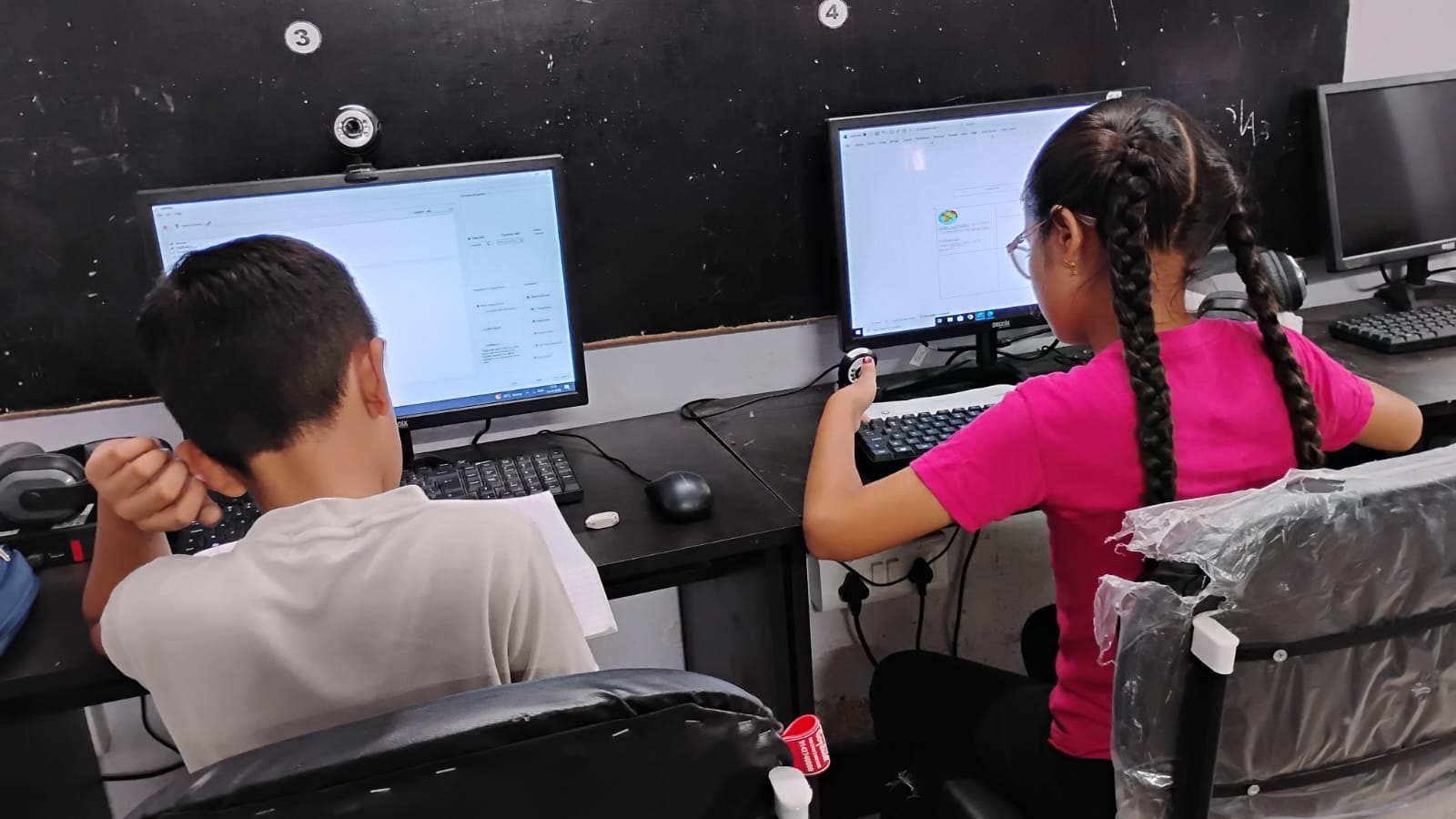
Access to technology in education is frequently discussed at the policy level. But the gap that matters most to a student is not a school computer lab or a scheduled session; it is access to a personal device at home, available at any hour, for any subject, without waiting for anyone else.
According to the Central Board of Secondary Education (CBSE), the curriculum is evolving to integrate digital tools more deeply into learning, and practicals, projects, and assessments are increasingly expected to be completed using computers. Students who do not have reliable personal access at home carry a structural disadvantage that no amount of effort alone can fully overcome. The gap shows up not in willingness, but in outcomes, in results, in digital confidence, and in how prepared a student feels for each next stage of education.
The UNICEF India education report consistently highlights that learning continuity, the ability to study without breaks or disruptions in access, is one of the strongest predictors of student progress. A personal computer at home is exactly what creates that continuity. It means a student can open their work at 7 in the evening or 6 in the morning, without negotiating with anyone.
Apna PC is built to bridge this gap for Indian families. At just ₹21,000 (shipping and GST excluded), it gives every student a full computer designed for learning, not entertainment. Understand how a Personal Computer Helps Students Learn in ways a phone or shared device simply cannot match.
The Internet alone isn’t enough; give your child the right tools for digital learning. Visit apnapc.com to learn more.