


Meena’s Dilemma: Why Her Son Needs More Than Just Any Computer
Meena sat in her small living room in Indore, scrolling through laptop listings on her phone. Her son Arjun had just entered class 8, and his teacher said he needed a computer for coding assignments and online classes. The prices shocked her. Thirty thousand here, fifty thousand there. She found a used machine for twelve thousand rupees and thought she’d solved the problem. But when Arjun brought it home, it ran so slowly that his coding projects took hours. His frustration grew. She realised that buying the cheapest computer for students isn’t about finding the lowest price tag. It’s about investing in his actual learning.
This is the story playing out in thousands of Indian homes right now. Parents in tier 2 and tier 3 cities face a real choice. You can buy any device, or you can buy the right device for your child’s education. The difference matters more than you think.
Why Student Computer Price Alone Won’t Tell You What You Need
When you look at a student computer price, you’re seeing just one number. You’re not seeing what your child will actually do on that machine. Will it run educational software smoothly? Will it last through four years of school? Will it help your child learn coding, digital literacy, and problem-solving?
Think about it this way. A cheap device might cost you five thousand rupees less upfront. But if it crashes during exam season, can’t handle multiple browser tabs for research, or slows down when your child tries to learn programming, you’ve wasted money. Your child’s learning suffers. That’s not an investment. That’s a mistake.
The real value of a computer for students comes from asking different questions. Does it have enough RAM to handle schoolwork without lagging? Is the storage space sufficient for educational apps and project files? Does it come with learning-focused software already installed? These questions matter far more than whether the price is 20,000 or 40,000 rupees.
What Makes a Real Learning Device Different
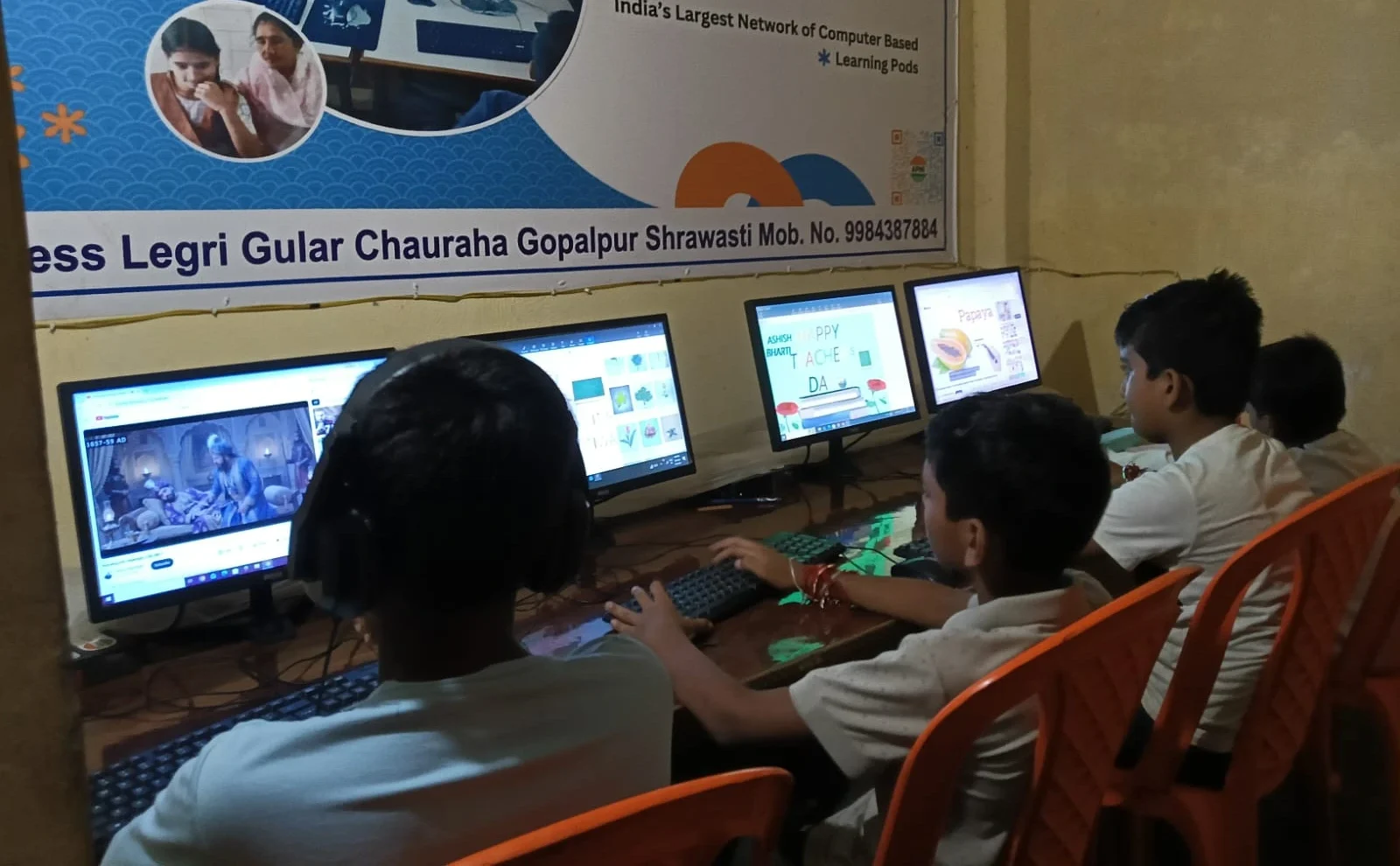
A genuine learning device isn’t just hardware. It’s a complete package designed for how students actually study. At Apna PC, we built our educational computer around what students truly need.
The machine comes with 8GB RAM and 128GB SSD storage. This means your child can run multiple applications without the system freezing. Zorin OS is lightweight and secure, protecting your family from malware while keeping costs down. Pre-loaded software includes LibreOffice for document work, Scratch for coding basics, and Apni Prerna for monitoring your child’s progress.
Notice what we didn’t do. We didn’t load bloatware. We didn’t make it so expensive that families in tier 2 cities can’t afford it. We didn’t sacrifice performance for a fancy design. At Rs. 30,000, you’re getting genuine computer value for students because every component supports your child’s learning.
- 8GB RAM: Handles schoolwork, coding, and research without slowdowns
- 128GB SSD: Stores projects, videos, and educational content
- Zorin OS: Secure, fast, and familiar for students learning digital skills
- Scratch pre-loaded: Students can start coding immediately, no setup needed
- Apni Prerna monitoring: You stay informed about your child’s learning progress
The Hidden Cost of Choosing Wrong
Parents often focus only on the student computer price because money is tight. This makes sense. But consider what happens when you buy the wrong one. Your child sits down to do homework and waits five minutes for the computer to boot up. An assignment that should take one hour takes three because the machine keeps freezing. By class 10, when board exams matter, your child is frustrated with technology instead of confident using it.
Compare this to choosing the right phone vs computer learning setup. A proper learning device eliminates these problems. Your child focuses on the actual work, not fighting the technology.
There’s also the emotional cost. When Arjun’s computer was slow, he felt like studying on it was punishment. When a proper learning device works smoothly, studying feels achievable. That shift in mindset is worth money.
Education Investment That Actually Pays Back
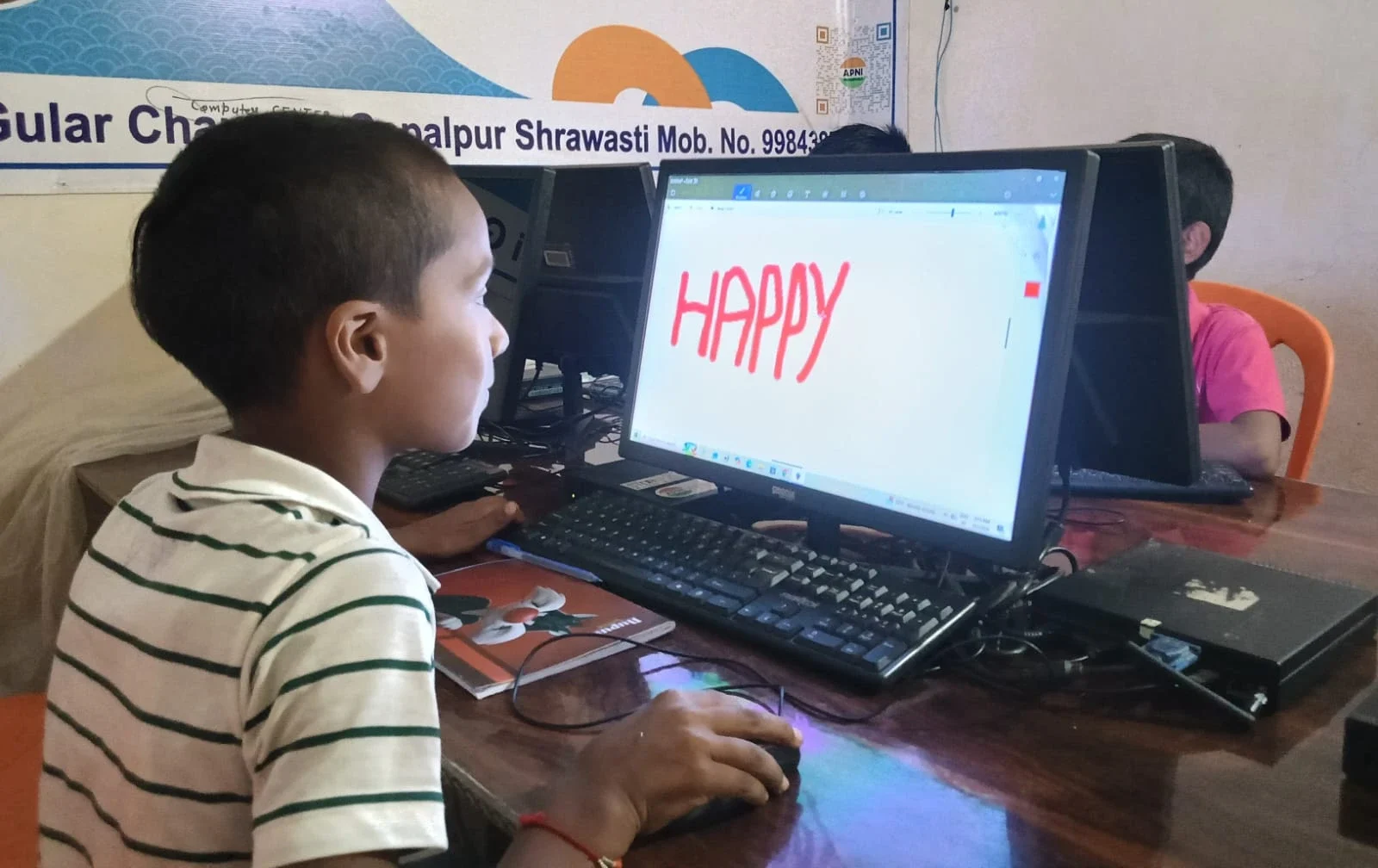
Think of a computer as an education investment, not an expense. The right learning device supports your child from class 8 through class 12. It handles coding assignments, research projects, online classes, and exam preparation. A poor choice becomes obsolete or frustrating within a year.
Learning research shows students perform better when their tools work reliably. This means better grades, stronger digital skills, and genuine confidence with technology. These benefits carry into college and career.
Your child might also use this device to access platforms like the DIKSHA digital platform, which offers free educational content. A proper computer makes this resource genuinely useful instead of frustratingly slow.
You might also explore family laptop cost-sharing options, where siblings or cousins can use the same device, spreading the education investment across multiple learners.
Making Your Decision
When you’re comparing options, dont just look at student computer price. Ask yourself what your child actually needs to learn. Ask whether the device will still work well in three years. Ask if the software helps your child develop real skills. Ask if you, as a parent, can monitor progress and stay involved.
Meena eventually replaced Arjun’s slow computer with a proper learning device. Within weeks, his attitude toward schoolwork changed. He could focus on learning instead of fighting technology. His coding projects improved. His grades went up. She realised that spending more upfront on the right computer value for students was the smartest education investment she could make.
Your family deserves the same choice. Dont settle for the cheapest option. Choose the device that actually supports your child’s learning. Visit apnapc.com to learn more.