

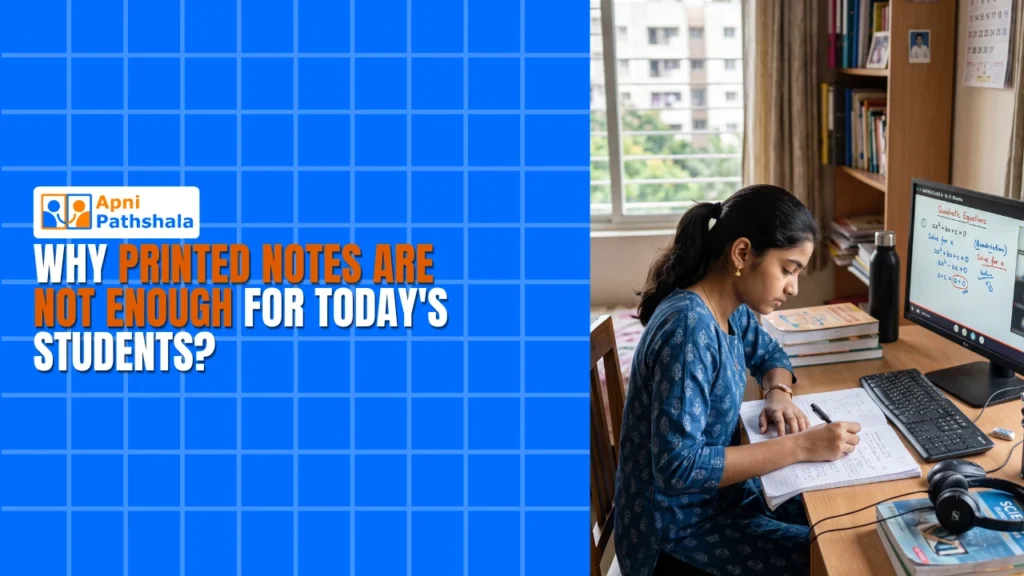
Meera’s Story: When Printed Notes Failed Her
Meera sat in her small room in Indore, surrounded by three years of printed notes stacked on her wooden desk. Her Class 12 board exams were three months away. She’d written everything by hand, highlighted key points in three colours, and organised by subject. Yet when she tried to revise, she felt lost. Her friends in bigger cities were already using digital study notes on computers, accessing information instantly and revising far more efficiently. Where was that formula from six months ago? Her printed notes, once her pride, had become a burden.
Meera’s struggle is shared by thousands of students across India. Printed notes have served generations, but today’s competitive exams demand more. Digital study notes are no longer a luxury. They’re becoming essential for serious learners.
Why Printed Notes Hold You Back?
Once you write something on paper, it’s fixed. Need to reorganise thoughts, add new information, or connect different topics? You’re stuck rewriting everything. This wastes precious study time when you’re preparing for board exams or entrance tests.
Searching is impossible with printed notes. Imagine finding every mention of “photosynthesis” across fifty pages of biology notes. On a computer, you can search in seconds. You can also link topics, add highlights that don’t fade, and include diagrams that paper simply can’t hold.
Printed notes don’t scale with your learning. As your understanding grows, you want to add details and practice problems. Paper becomes messy. Digital notes adapt to your needs. You can reorganise sections, create folders, and build a knowledge system that grows with you.
How Digital Study Notes Help Indian Students
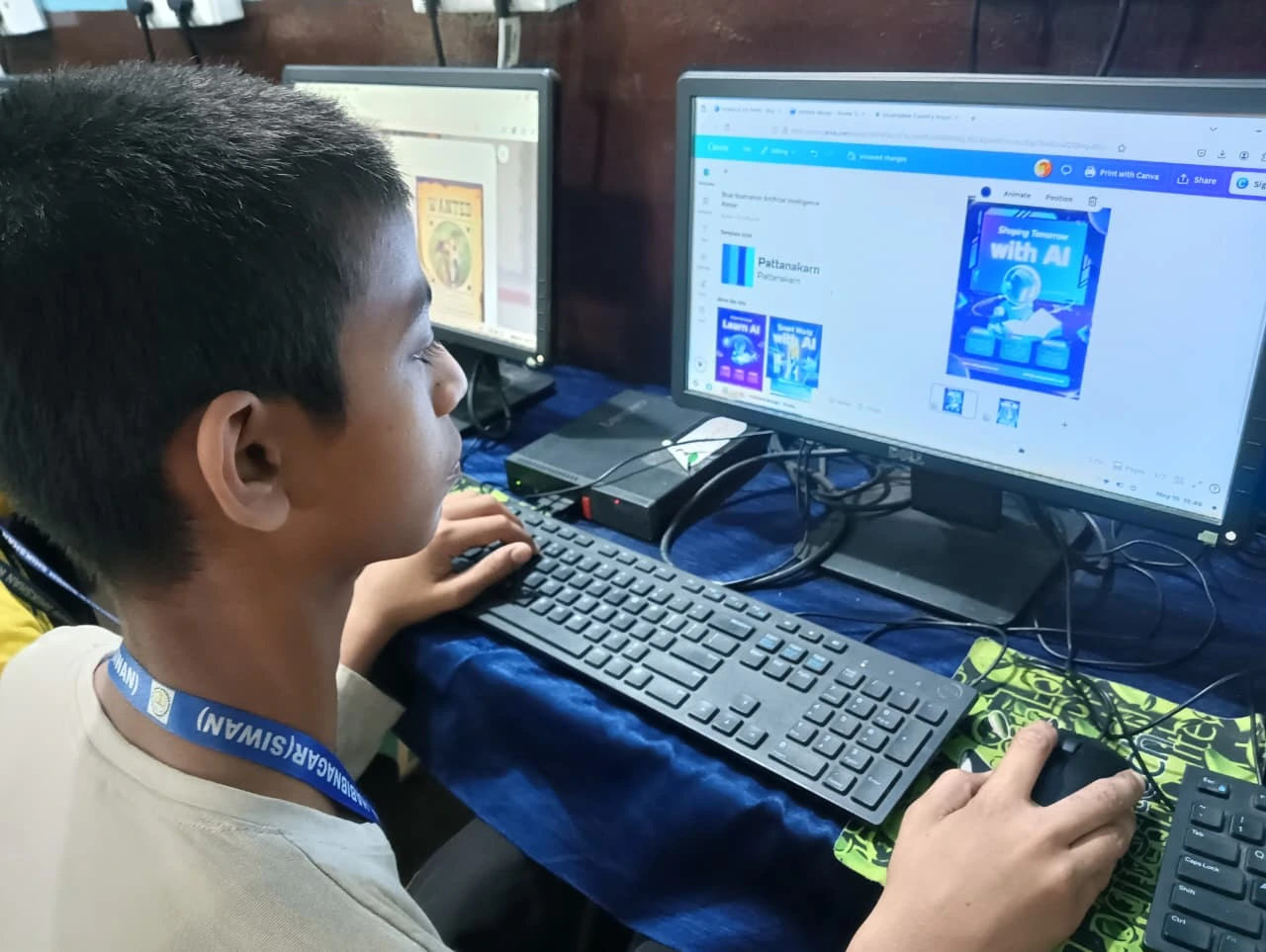
Digital study notes give you flexibility that paper never can. Study from your computer at home, on a tablet during travel, or on your phone during breaks. Your notes sync across devices, so you’re never without study material. This matters especially in smaller cities where coaching centres are far away.
You can collaborate with classmates easily. Share notes, compare answers, and learn from different perspectives without meeting in person. For students preparing for NCERT board exams or competitive entrance tests, this collaboration is invaluable.
Digital notes help you study strategically. Create summaries, extract key points, and generate revision sheets from your notes. Track what you’ve studied, identify weak areas, and focus revision time where it matters most. This data-driven approach is something printed notes can never provide.
What Your Computer Needs for Digital Study Notes
Not every computer is suitable for serious studying. You need a device that’s reliable, fast enough for multiple applications, and affordable for families in Tier 2-3 cities. Your computer should have enough storage for years of notes, images, and educational videos.
The Apna PC, priced at Rs.21,000 (excluding shipping and GST), is designed for Indian students. It comes with 8GB RAM and 128GB SSD storage, more than enough for comprehensive notes across all subjects. The pre-loaded Zorin OS is lightweight and won’t slow you down during study sessions.
Apna PC includes LibreOffice for creating and organising notes in multiple formats. Scratch is pre-loaded for students interested in coding. The Apni Prerna monitoring tool helps you track study progress and stay accountable. Setting up a proper workspace matters too, which is why a fixed study desk makes a real difference.
Building a Revision Tool System That Works
Start by converting your best printed notes into digital format. Begin with your most important subjects or the topics you find hardest. Organise files by subject, then by topic, then by subtopic. This hierarchy makes finding information quick.
Use your computer to create summaries and revision sheets. Digital tools let you add colour, images, and formatting that makes studying more engaging than black text on white paper. When you create notes yourself, you learn better than when you just read someone else’s.
Link related topics across subjects. In history, connect dates with political movements. In science, connect concepts with real-world applications. This interconnected approach builds deeper understanding than isolated printed notes ever could.
How This Prepares You for Exams
When exam time arrives, you’ll have all your material searchable, organised, and ready for quick revision. No more hunting through notebooks. You can create practice tests directly from your notes and simulate exam conditions on your computer, which is increasingly common for online entrance tests.
Your notes become your personal study assistant. Review them quickly, test yourself, and identify knowledge gaps. This is exactly what you need for NCERT board exam preparation. The Government of India’s Digital India initiative and MeitY Digital India programme are pushing educational technology into every corner of the country.
Why Your Family Should Invest
Your parents want you to succeed. Investing in a reliable computer isn’t an expense. It’s an investment in your academic performance and competitive edge. When you study digitally, you’re preparing for a world where college coursework, online exams, and professional work all happen on computers.
Your younger siblings can use the same computer too. The investment pays dividends across your entire family’s education. A reliable computer like Apna PC becomes a shared family resource that supports learning for years.
You don’t have to abandon printed notes completely. But start creating digital study notes today. Begin with one subject, one chapter. Experience the difference that digital organisation and flexibility can make. Once you taste the power of digital notes, you won’t go back. Apna PC is designed for students like you, in cities like yours. It’s affordable, reliable, and pre-loaded with everything you need. Visit apnapc.com to learn more.