


Ravi’s Story: When a Personal Computer Changed Everything
Ravi’s mother, Sunita, sat on the worn sofa in their Indore home, watching her 14-year-old son stare at his notebook without writing a single line. It was 7 PM, the time he’d promised to study, but his mind wandered. His older sister’s phone buzzed constantly with notifications. His father’s laptop sat locked in the cupboard, reserved only for “important work.” Sunita felt stuck. How could her son build a strong daily study routine without his own dedicated space and tools? That’s when she discovered that a personal computer study routine could transform not just grades, but her son’s entire approach to learning.
Sunita’s challenge isn’t unique. Across Tier 2 and Tier 3 cities in India, thousands of parents face this same struggle. Students need focused time to study, but shared devices create chaos. A personal computer designed specifically for students changes this equation entirely.
Building Focus Through Dedicated Technology
When Ravi got his own computer, something shifted immediately. He no longer competed for screen time. His study hours became sacred, protected time that belonged to him alone. This is what a personal computer study routine creates: clarity and ownership.
The Apna PC comes pre-loaded with Zorin OS, a clean, distraction-free operating system that keeps students focused. Unlike regular computers filled with games and entertainment apps, this machine prioritises learning from day one. With 8GB RAM and 128GB SSD storage, it runs smoothly without lag, so Ravi can open multiple study materials simultaneously without frustration.
Here’s what changed for him:
- Morning prep sessions: Ravi now reviews notes for 30 minutes before school, using LibreOffice to organise his thoughts
- Evening focused work: After school, he completes homework on his own screen without distractions or device-sharing arguments
- Weekend projects: He practices coding through Scratch, building skills that go beyond textbooks
- Consistent timing: The same device, same place, same time each day creates a rhythm his brain recognises as “study mode”

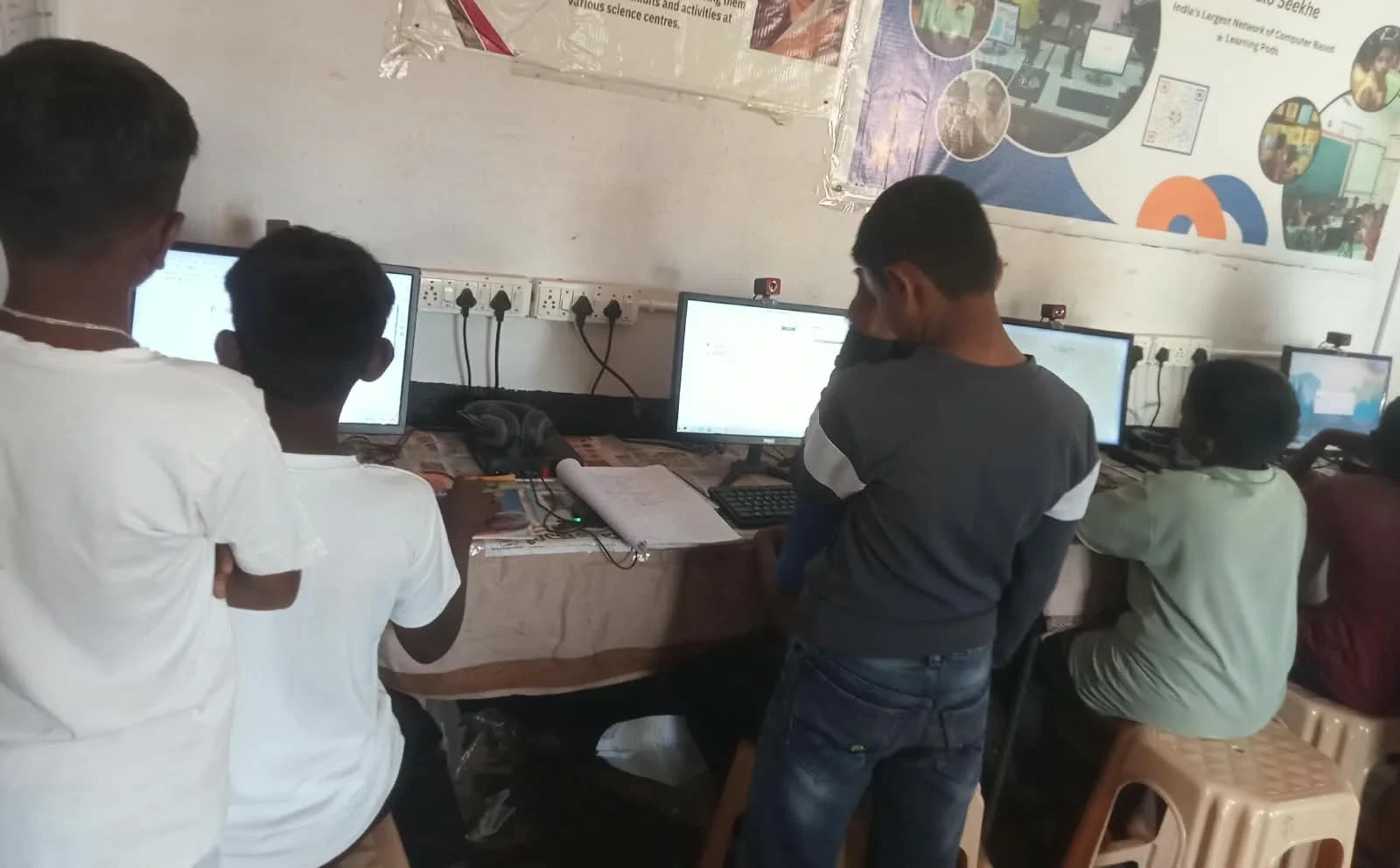
How Daily Study Habits Form With the Right Tools
Psychologists say habits form through repetition and environmental cues. A personal computer designed for students becomes that environmental cue. When Ravi sits at his desk with his Apna PC, his mind knows it’s time to focus.
The computer comes with Apni Prerna, a student monitoring system that helps you track progress without being intrusive. You can see which subjects your child studies, how long they focus, and where they might need support. This isn’t about spying. It’s about understanding patterns so you can help them build better daily study habits.
Sunita uses this feature differently than she expected. Instead of checking constantly, she reviews the weekly summary. When she noticed Ravi struggled with math on Tuesday evenings, she adjusted his schedule. Now he tackles math when he’s fresh on Saturday mornings. The personal computer study routine became flexible, responsive to what actually works for her son.
The Student Computer Advantage in Indian Education
India’s education system demands more from students each year. Between CBSE board exams, competitive entrance tests, and skill-building requirements, your child needs tools that match these demands. A student computer isn’t a luxury. It’s an investment in their ability to manage workload effectively.
With LibreOffice pre-installed, Ravi creates well-formatted assignments that impress his teachers. He can work on projects offline, then save them to USB drives for school. When he needs to collaborate, he understands how Google Docs on a desktop works better than mobile versions. These aren’t small skills. They’re foundational digital literacy that every Indian student needs.
Check out the Apni Pathshala blog for more insights on how technology supports learning in Indian classrooms.
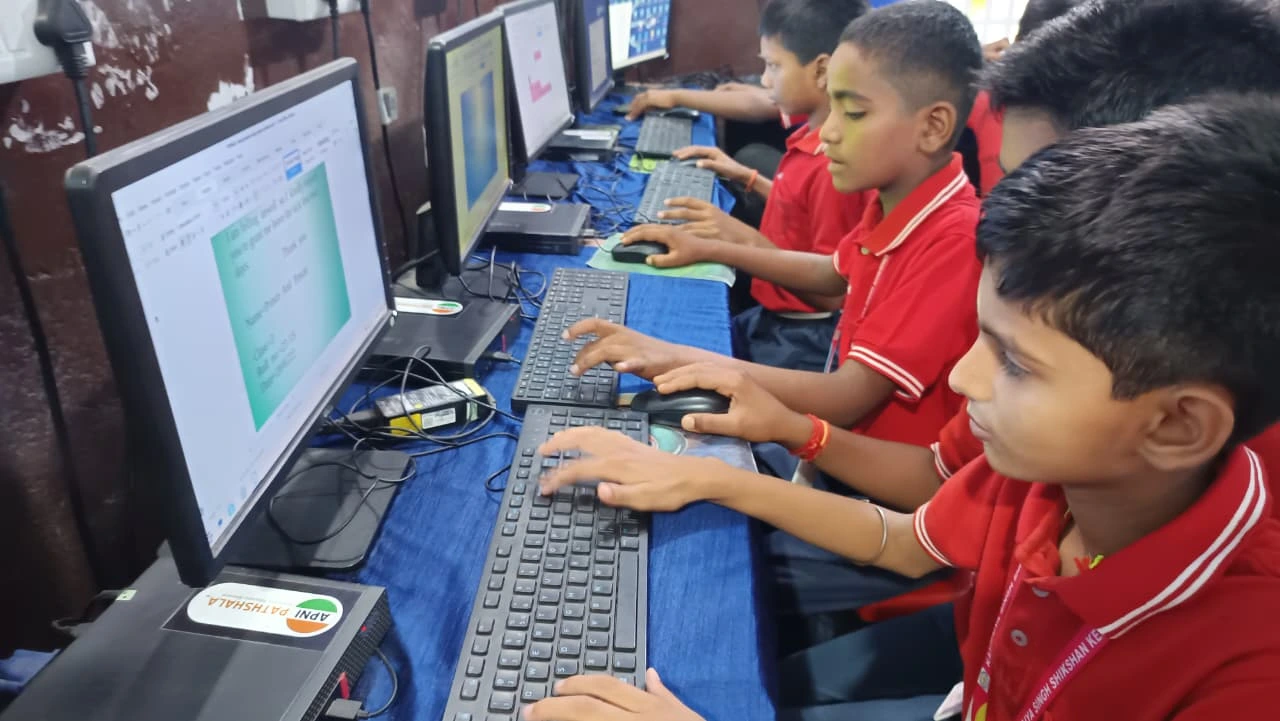
Creating Routines That Stick
The first week was the hardest. Ravi wanted to play games on his computer. Sunita had to set boundaries. But here’s what she learned: when you give students their own device with clear purpose, they respect it differently. He wasn’t borrowing her laptop. It was his computer for his future.
By week three, Ravi had created his own routine:
- 4:30 PM: Computer on, water bottle filled, phone in another room
- 4:30-5:15 PM: Homework and assignments
- 5:15-5:45 PM: Review notes and prepare for next day
- 5:45-6:15 PM: Creative work with Scratch or personal projects
This wasn’t imposed. It emerged naturally because he had the right tool in the right environment.
Why Apna PC Works for Your Family
At Rs. 30,000 (excluding shipping and GST), the Apna PC costs less than a smartphone, yet it opens possibilities a phone can’t match. Your child gets a dedicated study space, distraction-free software, and tools that grow with them through school and beyond.
According to UNESCO global education research, students with access to personal computers show a 23% improvement in academic performance. The Central Board of Secondary Education (CBSE) increasingly emphasises digital literacy across all subjects. Your investment in a personal computer study routine isn’t just about today’s grades. It’s about preparing your child for tomorrow’s opportunities.
Sunita sees it now. Ravi’s grades improved, yes, but more importantly, he owns his learning. He doesn’t need her nagging him to study. He’s built a daily study routine that works for him, powered by a tool designed specifically for Indian students like him.
Your child deserves the same opportunity to build focus, consistency, and confidence through their own personal computer. Visit apnapc.com to learn more.