


Your child sits down at the Apna PC for the first time. Nervous. The screen glows. A math problem appears. They solve it. It is correct. They smile. That moment, that tiny, quiet moment, is a win worth celebrating. Learning progress is not always loud or dramatic. Sometimes it is a single correct answer after three wrong ones. Sometimes it is a child who used to avoid studying now opening their notebook without being asked. These small victories matter more than you think, especially when affordable educational computers like Apna PC make quality learning accessible to every Indian student, regardless of family income.
At Apna PC, we believe learning progress happens in layers. It is not just about grades improving by 20 points overnight. It is about building confidence, developing study habits, and watching a child’s relationship with learning transform, one small step at a time. For parents investing in an Apna PC at just Rs. 30,000, recognising these wins keeps motivation alive for both you and your child.
Why Small Learning Progress Wins Matter More Than You Think
Parents often wait for report card day to measure success. But learning progress happens every day in ways numbers alone cannot capture. When your daughter completes a practice problem set without asking for help, that is progress. When your son sits for 45 minutes instead of 30, that is progress. When a child who dreaded English suddenly engages with an interactive lesson on Apna PC, that is real, measurable progress.
The brain does not learn in straight lines. It learns in spirals. A child might struggle with fractions on Monday, show confusion on Tuesday, and suddenly grasp the concept on Wednesday. Each of those moments, even the struggle, is part of the learning process. Apna PC practice-based learning approach is designed exactly for this. It gives students the space to fail safely, learn from mistakes, and build understanding at their own pace.
Recognising Learning Progress at Home
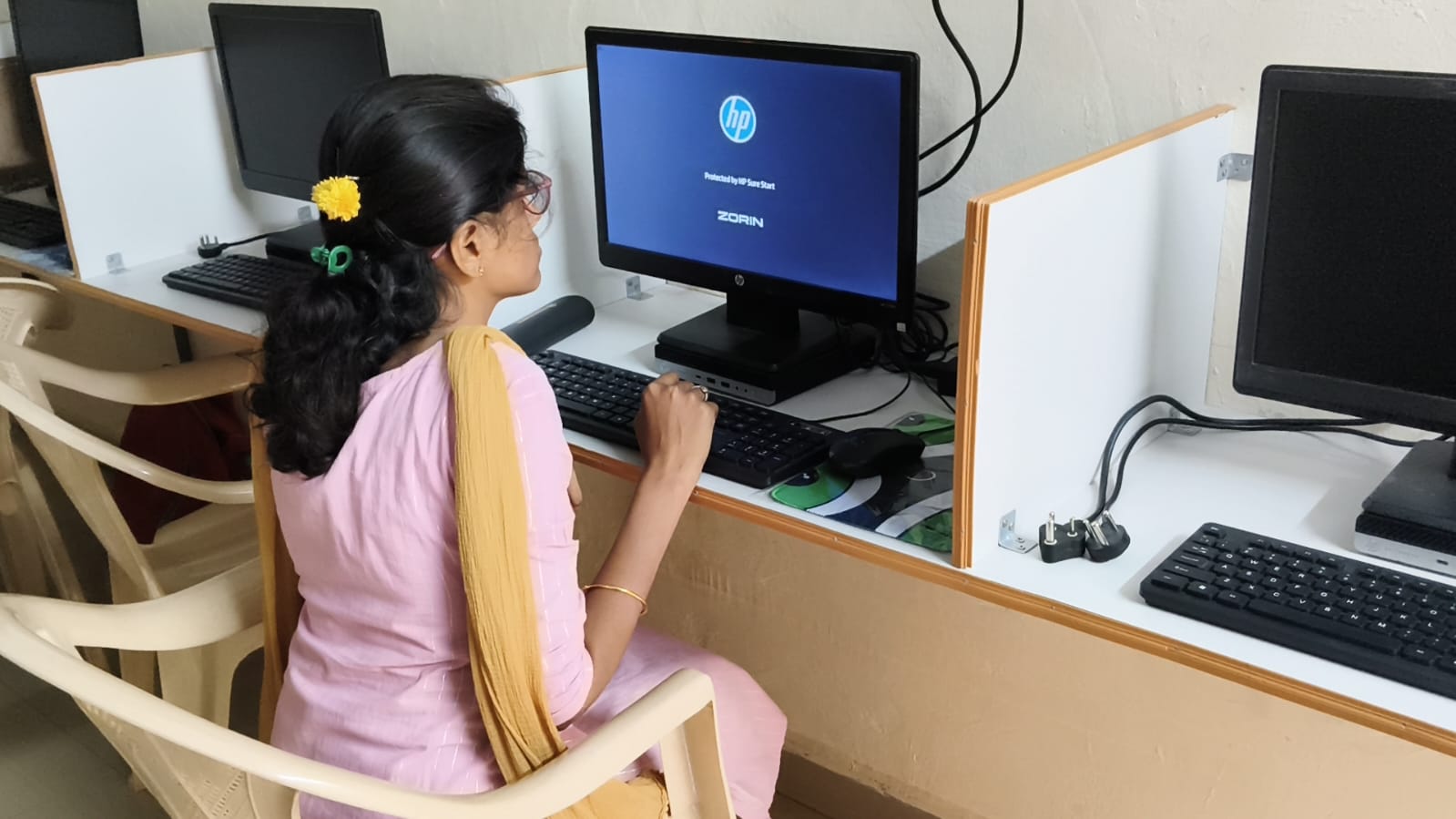
So how do you spot learning progress when it is happening? Start by watching for behavioural shifts. Is your child more willing to attempt difficult problems? Are they asking smarter questions? Do they seem less frustrated when they do not understand something immediately? These are signs of real learning progress taking root.
Track small metrics that matter. How long can they focus? How many problems did they attempt today versus last week? Did they remember a concept from yesterday without re-teaching? Did they explain something to a sibling or friend? These moments reveal learning progress that goes beyond test scores.
Create a simple win journal. Every evening, ask your child: What did you learn today that you did not know this morning? Write it down. A month from now, flip back through those pages. You will see undeniable learning progress that is deeply personal to your child’s journey.
How Apna PC Supports Consistent Learning Progress
An affordable educational computer removes barriers. When your child has their own device dedicated to learning, they are more likely to practice regularly. Regular practice is how learning progress actually happens—not cramming before exams, not memorising for a test. Real, lasting learning comes from consistent, spaced repetition and engagement.
Apna PC comes equipped with tools that help track this progress visually. Your child can see their own improvement over time. They can revisit topics they struggled with and measure how much better they have become. This self-awareness builds confidence and motivates continued effort.
The platform also supports practice-based learning with the Apna PC approach, which emphasises learning by doing rather than passive watching. Students work through problems, make mistakes, understand why those mistakes happened, and try again. This cycle builds deep learning progress that sticks.
Building Patience as Part of Learning Progress
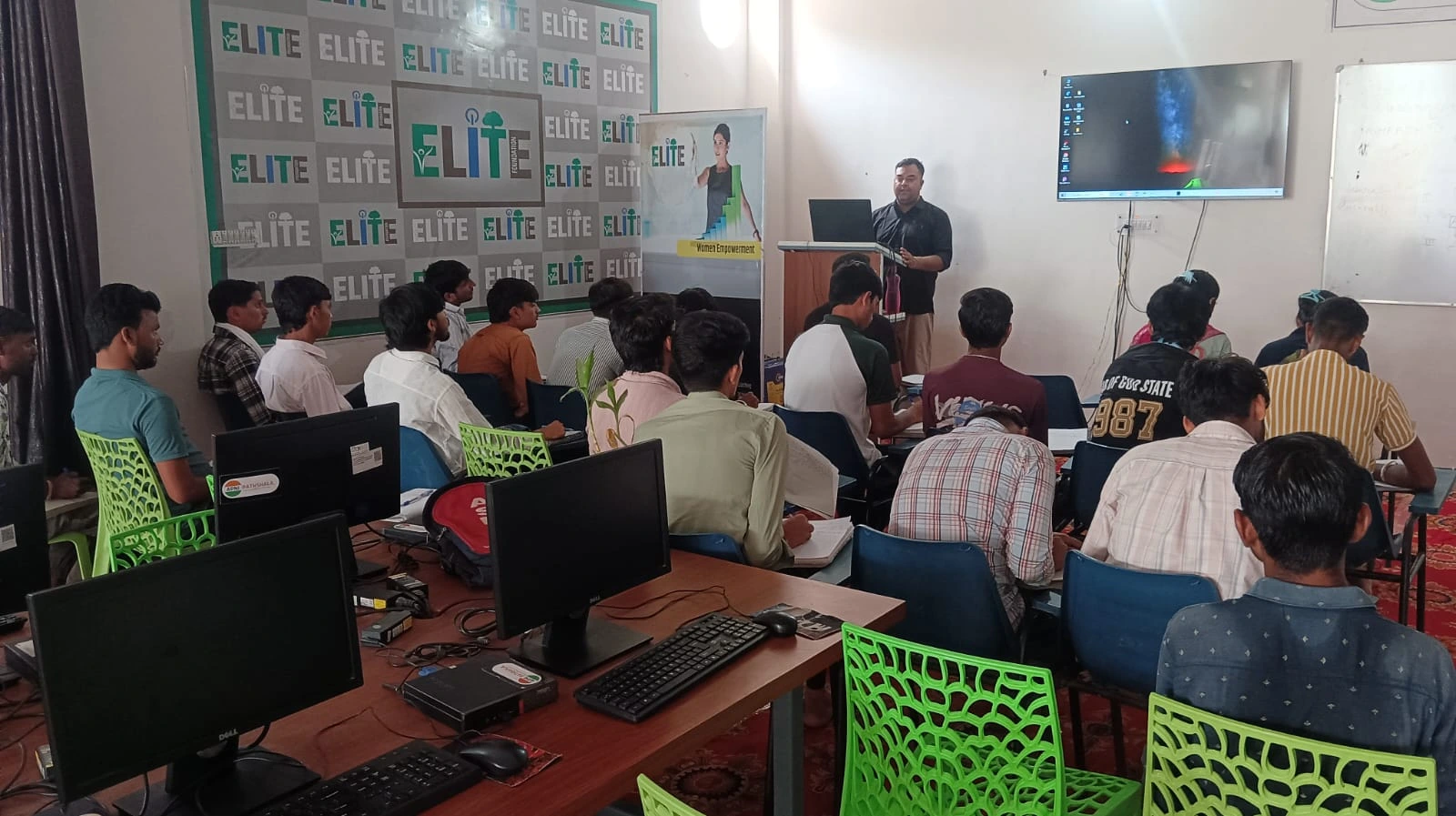
Here is something parents often miss: learning progress requires patience. And patience itself is a skill that develops through learning. When your child uses Apna PC regularly, they are not just absorbing content. They are learning how to sit with confusion, persist through difficulty, and celebrate small wins without needing external validation.
Check out our guide on building patience through learning to understand how these soft skills develop alongside academic progress. A student who learns patience becomes a student who can handle setbacks, doesn’t give up when something is hard, and understands that learning progress is a process, not a destination.
Real Learning Progress Stories From Apna PC Users
Consider Arjun, a 10th grader from Mumbai whose parents bought him an Apna PC. In the first week, he used it for 20 minutes daily. By week four, he was using it for nearly two hours, completely self-motivated. His learning progress was not just in his math scores. It was in his confidence. He started asking his teacher harder questions. He began helping classmates with problems. That shift in identity from I am not good at math to I enjoy solving math problems is profound learning progress.
Or Priya, a 7th grader from Bangalore whose parents were worried about her English. After three months with Apna PC, she was not suddenly fluent. But she was reading more. She was attempting to write without fear of making mistakes. Her learning progress was visible in her willingness to engage, not just in her test scores.
These are not exceptional cases. They happen when students have access to affordable educational tools, and parents recognise and celebrate learning progress at every stage.
Celebrating Learning Progress With Your Child
Celebrate wins immediately and specifically. Do not just say Good job. Say I noticed you solved that problem three different ways. That shows real learning progress. Specificity matters. It teaches your child what progress actually looks like.
Share their progress with them. Show them their own improvement data. Let them see the pattern of their own learning progress over time. This builds intrinsic motivation; they are learning for themselves, not for you or for grades.
Remember that learning progress is not linear. There will be weeks where it feels like nothing is happening. Then suddenly, everything clicks. That is normal. That is how brains work. Your job as a parent is to keep showing up, keep supporting, and keep celebrating the small wins that add up to real, lasting learning progress.
Discover how Apna PC helps thousands of Indian students build learning progress one small win at a time. Visit apnapc.com to learn more.