

As your child grows, you will notice shifts in how they approach schoolwork. Some days they will ask for help with every math problem; other days they will surprise you by solving a tricky question on their own. Recognising when your child is ready for independent learning is one of the most important skills you can develop as a parent. With tools like Apna PC, an affordable educational computer designed for Indian students, your child can build study skills and take charge of their own learning journey.
But how do you know when they are truly ready? This guide will help you spot the signs and understand what self-directed study really means for your child.
What Does Self-Directed Study Mean for Your Child?
Independent learning does not mean leaving your child alone to figure everything out. It means your child can start tasks without constant reminders, ask for help when stuck rather than giving up, and take responsibility for their progress. According to Wikipedia’s Learning article, this is a self-directed process where learners take control of their own education.
For a Class 5 student in Mumbai, this might look like opening their study materials on Apna PC, completing homework without being told to start, and reviewing their mistakes. For a Class 10 student preparing for board exams, it means creating their own study schedule and tracking progress without constant parental supervision.
5 Key Signs Your Child Is Ready for Independent Learning
1. They Finish Tasks Without Daily Reminders
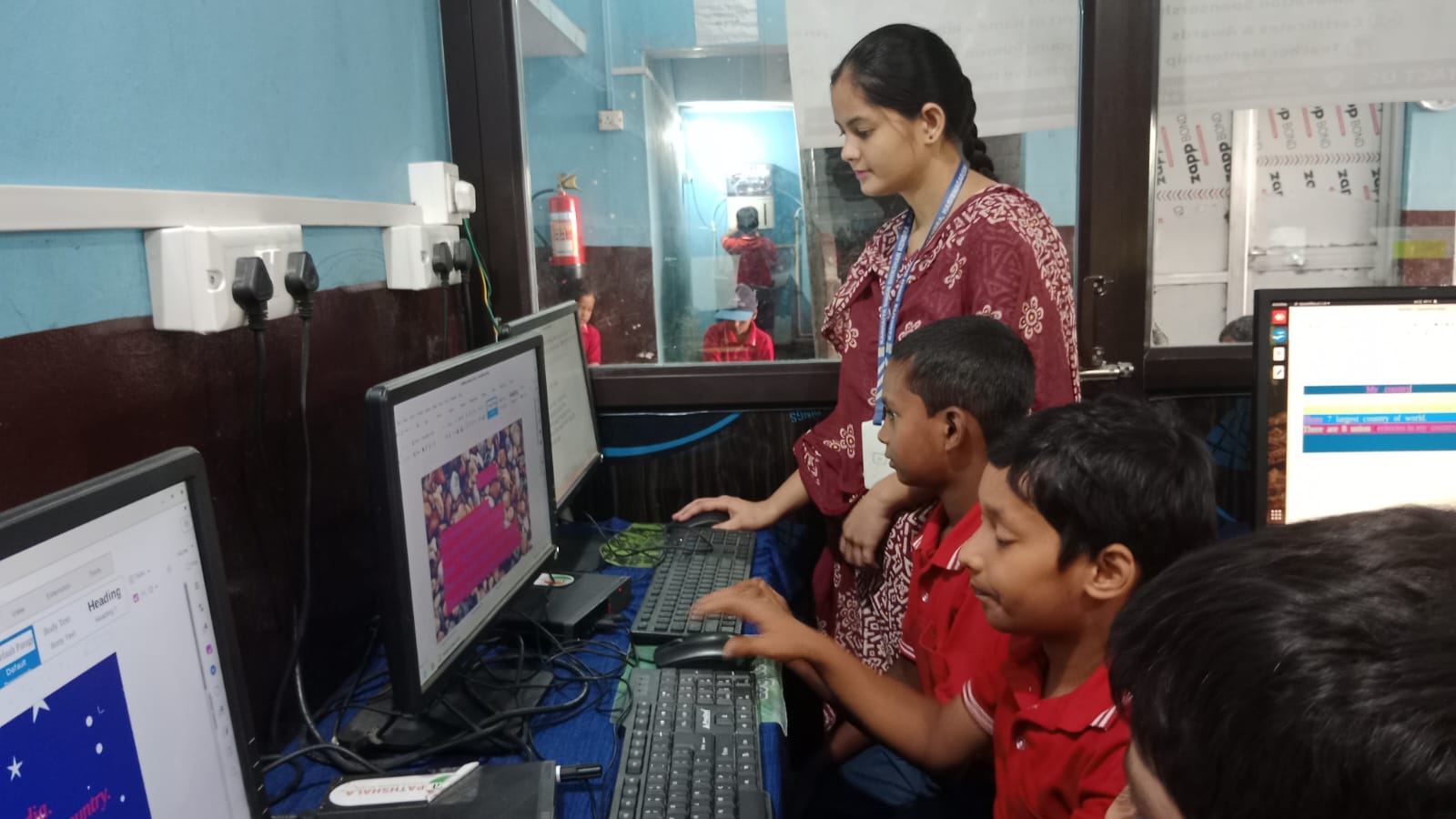
If your child remembers to do their homework after school most days without you having to ask three times, that is a positive sign. They do not need perfection; occasional reminders are normal. But if they are generally self-starting, they are building the foundation for self-directed study.
2. They Ask Questions When Confused
A child ready for this does not shut down when they do not understand something. Instead, they ask you, their teacher, or search for answers. This shows they are problem-solving rather than avoiding challenges. On Apna PC, they can access educational resources and work through confusion on their own.
3. They Show Interest in Their Own Progress
Does your child ask how they did on a test or what they need to improve? This curiosity about their own performance is crucial. It means they are starting to take ownership of their learning journey, not just completing tasks to please you.
4. They Can Focus for Longer Periods
A Class 3 child might manage 20 minutes of focused study; a Class 8 child should manage 45 minutes to an hour. If your child can sit with a task without constantly seeking distractions, they are developing the concentration needed for studying on their own.
5. They Accept Mistakes as Part of Learning
When your child gets a problem wrong and does not immediately blame the teacher or the book, that is maturity. Children ready for self-directed study see mistakes as information, not failures. They want to understand what went wrong.
How Study Skills Develop Through Independence
Study skills and independence work hand in hand. When children study on their own, they naturally develop better organisation, time management, and problem-solving abilities. They learn which techniques work for them, whether that is making notes, creating mind maps, or watching educational videos on their Apna PC.
The Government of India’s Digital India Initiative emphasises the importance of digital literacy for students. Apna PC, at just Rs. 21,000, makes it accessible to every Indian family, allowing children to develop strong study skills in a digital environment.
Student growth happens fastest when children take charge. They become more confident, more curious, and more resilient when facing academic challenges.
Gradual Steps to Foster Independent Learning
You do not flip a switch and suddenly your child studies on their own. It is a gradual process. Start by giving them small responsibilities. Let them choose which subject to study first, or let them decide whether to take notes by hand or on their Apna PC.
Next, create a structured study environment. Get Your Child to Follow a Study Schedule by involving them in creating it. When children help design their routine, they are more likely to follow it independently.
Then, step back slowly. Instead of sitting beside them during every study session, check in halfway through. Ask what they have learned, not whether they have finished. This shift shows you trust their independence while staying involved.
When Your Child Is Not Ready Yet
Not every child develops at the same pace, and that is completely normal. Some children need more structure, more reminders, or more emotional support before studying independently clicks. Setting Realistic Expectations for Your Child helps you support them where they actually are, not where you think they should be.
If your child is not showing these signs yet, focus on building one skill at a time. Celebrate small wins. A child who remembered their homework without being asked deserves recognition, even if they still need help with the actual work.
The Role of Technology in Student Growth
Tools like Apna PC make self-directed study more accessible and engaging. Your child can access study materials, watch educational videos, and complete assignments without depending on you for every step. This builds confidence and real independence.
Technology also gives children the freedom to learn at their own pace. If they want to rewatch an explanation or spend extra time on a difficult concept, they can do it without feeling rushed or judged.
Visit apnapc.com to learn more about how Apna PC can support your child’s journey toward independent learning and academic growth.