

Teachers often notice it in class: two students, same syllabus, same amount of time spent studying, but one is consistently ahead while the other struggles to keep pace. Most assume it comes down to natural ability. But ability is rarely the real answer. The factors affecting student learning that matter most are often invisible, not intelligence, not effort alone, but access. Access to the right tools, the right environment, and the right amount of practice time outside the classroom is what separates students who move fast from those who always feel behind.
What Actually Decides How Fast a Student Learns?
The student performance factors that shape outcomes are rarely the ones parents and teachers discuss most. Marks, attendance, and tuition fees get the most attention. But what actually drives the pace of learning is something more fundamental and far less visible.
Students learn faster when they can revisit a concept the moment they struggle with it, not the next day in class. They learn faster when they can practice the same problem repeatedly until the method becomes automatic. They learn faster when explanations are available in different formats, such as text, video, and diagrams, until one format finally clicks for the way their brain works.
When a student has to share a device with siblings, wait for an internet window, or work around a family member’s schedule, none of this is possible consistently. Every delay in access is a delay in learning. Over weeks and months, those small delays compound into a gap that becomes harder and harder to close, not because the student stopped trying, but because the environment kept getting in the way.
How Technology Changes the Speed of Learning
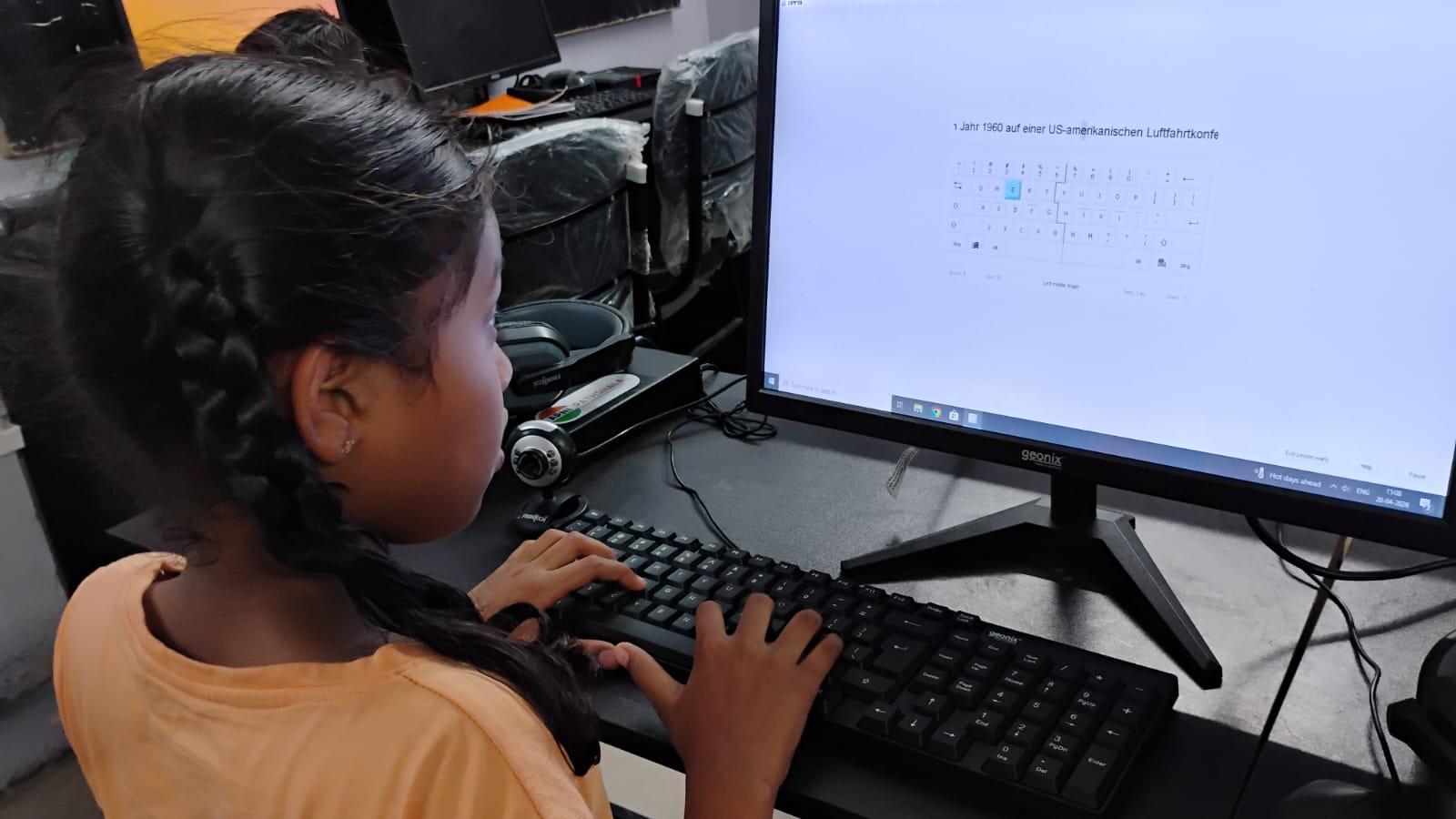
The role of technology in learning is most powerful not in the classroom, but at home, after school, when a student is trying to understand something on their own without a teacher present.
A textbook offers one path through a concept. A digital learning platform offers many. If a written explanation doesn’t land, there’s a video. If the video isn’t clear, there are practice questions with step-by-step solutions. The student can try, make a mistake, understand why, and retry, all within the same study session, without waiting for anyone.
This self-directed cycle of practice and feedback is what drives faster learning. According to the India.gov.in education portal, digital learning tools are now a core part of India’s national education strategy, which means the system itself is moving forward on the assumption that students have devices. Students who don’t are not just missing a convenience. They are falling behind a curriculum that was designed with technology access in mind.
The student who has a personal computer isn’t smarter. They simply have more attempts, more explanations, and more hours of productive practice than the student who doesn’t.
The Changes That Lead to Real Learning Speed Improvement
Improving learning speed doesn’t come from studying for more hours. It comes from making each study hour more effective, which largely depends on the tools available during those hours.
When a student has their own computer, they choose when to study, not just when a shared device happens to be free. They can follow their curiosity and explore a topic beyond what’s in the prescribed textbook. They build typing speed, file organization, and computer confidence alongside their academic subjects, skills that matter far beyond any single exam.
WHO guidelines on children and screen use make clear that structured, purposeful digital engagement is beneficial; unguided, passive screen time is problematic. A student using a computer to practice for Board exams, access NCERT materials, or attempt mock tests is doing exactly what the research supports. Purposeful use of technology is a learning accelerator, not a distraction.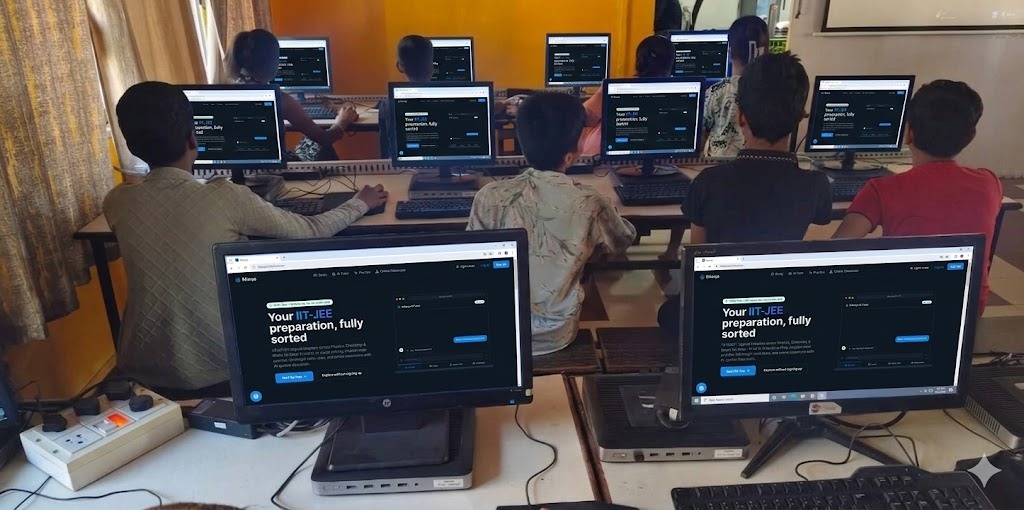
How Apna PC Removes the Hidden Barrier
The single biggest hidden factor in how fast a student learns is not motivation; it is consistent, personal access to a learning environment that works for them. That is exactly what Apna PC is built to provide.
At ₹21,000 (shipping and GST excluded), Apna PC gives Indian families an educational computer priced for the real middle of India, not for premium buyers in metro cities. It integrates with the Apni Pathshala ecosystem, so students have structured educational content available from the very first day, not an empty device that takes months to set up and populate.
It is designed to last through multiple years of school, growing with the student across subjects, classes, and changing exam requirements. One purchase removes the hidden barrier and keeps it removed.
To understand more about what changes when a student has their own device, read Why Every Indian Student Needs Their Own Computer at Home and How a Personal Computer Helps Students Learn Beyond the School Curriculum.
When hidden barriers are removed and the right tools are in place, learning naturally speeds up. Visit apnapc.com to learn more.