

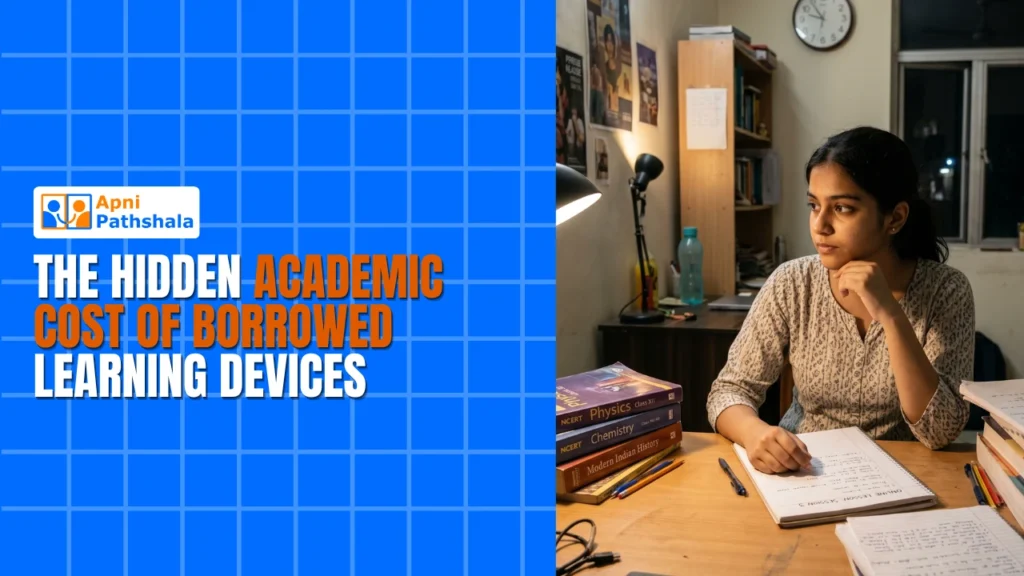
Every evening, millions of students across India wait. Not for dinner. Not for their favourite show. They wait for someone in the family to finish using the phone so they can study. In Indian homes, families have quietly made shared devices for students a norm, but they rarely talk honestly about the academic cost of this arrangement. The damage accumulates slowly, compounds over time, and remains largely invisible until exam results arrive.
What Does It Actually Mean to Study Without Your Device?
Students without a laptop or personal computer do not just face inconvenience. They face a structurally broken study routine from the very start of each day.
Picture a typical evening. A student waits for her elder sibling to finish submitting an assignment online. Then her mother needs the phone for a call. By the time the device is free, it is 9 PM. The battery is low. Mobile data is almost finished. She has about forty minutes, which is not enough time to settle, focus, revise properly, or complete a full topic.
This is not a one-off inconvenience. This is every single evening. Students who live inside this reality do not have the opportunity to build study habits. They manage to fit learning into whatever gaps other people leave behind. And you simply cannot build academic confidence or skill inside those gaps.
The problem also goes beyond time. Students who study on borrowed devices never feel fully settled. They rush. They skip steps. They avoid longer tasks because they know they might need the device at any moment. That constant background anxiety quietly drains the quality of every study session.
The Digital Divide Nobody Discusses Honestly
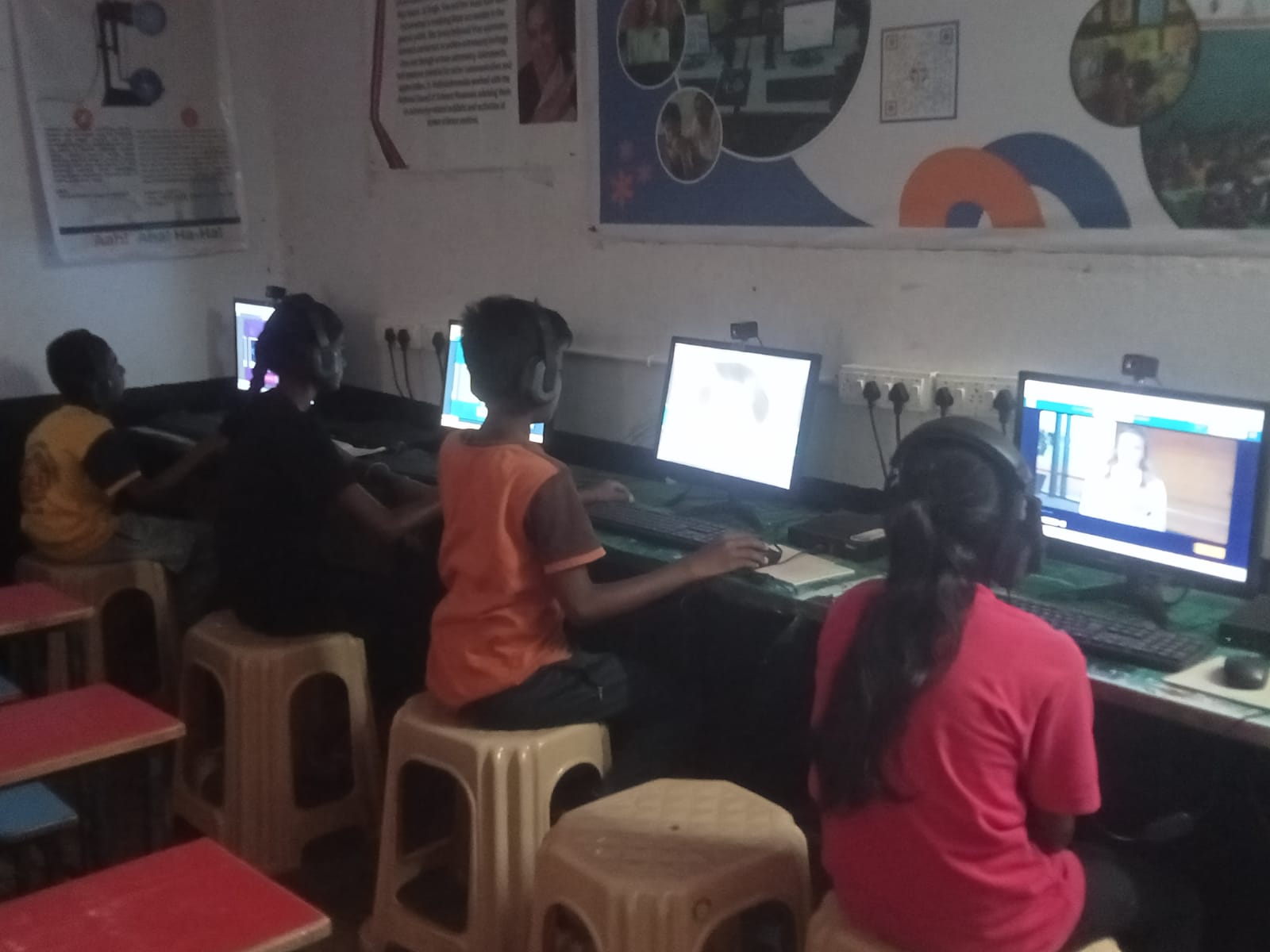
The digital divide in education is usually framed as a binary: students who have a device versus students who have nothing. But the more damaging and more common divide is far subtler, the gap between students with personal, consistent device access and those who share a device with the whole household.
Here is what that gap actually produces over a school year:
- Fewer practice questions completed. Students with shared devices cannot afford to spend time exploring concepts. Every session is rushed and targeted at the minimum required.
- More missed deadlines. Assignments submitted late are often not because the student forgot; they are because the device was unavailable at the right time.
- Weaker digital confidence. Using a device only in short, anxious bursts never builds the ease and fluency that come from daily, unhurried use.
- Slower skill development. Managing files, formatting documents, writing emails, and using productivity tools, these skills build through hours of daily practice. Borrowed-device students miss all of it.
- Poor revision quality. Real revision means reviewing notes, replaying explanations, and attempting questions multiple times. None of that fits into a 30-minute borrowed session.
The Digital India initiative has made enormous progress in connecting schools and communities to technology. But connectivity without personal, consistent device access still leaves students studying on borrowed time, literally.
The Learning Problems at Home Nobody Names
The most persistent learning problems at home for Indian students are not about syllabus difficulty or motivation. They are structural. They come from the environment in which studying is expected to happen.
A student studying in a small home, on a shared phone, surrounded by family activity, with no fixed study corner, faces overlapping pressures every single evening. The phone rings. Someone checks WhatsApp. A younger sibling wants a game. The student saves her work, hands back the device, and tries to continue from memory. That is not studying. That is surviving studying.
This pattern does not just affect marks in the short term. Over time, it shapes how a student feels about learning itself. Repeated interruptions lead students to believe that deep focus is unattainable. This belief leads students to think that studying will always be difficult, fragmented, and incomplete. That belief is far harder to undo than any topic they missed in the syllabus.
The Central Board of Secondary Education (CBSE) has progressively moved assessments, resources, and administrative processes online. Students who are expected to navigate this environment while studying on borrowed devices are at a permanent disadvantage, which is not their fault.
The Answer Is Simpler Than It Sounds
This is the exact gap that Apna PC is built to close. At ₹21,000 (shipping and GST excluded), it gives Indian students a dedicated computer that is theirs, not shared, not borrowed, not handed back when someone else needs it. The device is ready for the student to use every day, without the need for negotiation.
If you want to understand why personal device access changes everything from the ground up, read Why Every Indian Student Needs Their Own Computer. And if the real cost of waiting is still unclear, The Hidden Cost of Not Having a Computer in 2026 puts it plainly.
A student with their device does not have to wait for anyone. Visit apnapc.com to learn more.